
The Rise of 'Exercise Snacking'
The biggest hurdle to fitness is often the all-or-nothing mindset: if you can't manage a full hour at the gym, why bother at all? This is where the concept of 'exercise snacking' comes in. An exercise snack is a short burst of activity, lasting anywhere
from a minute to 10 minutes, done throughout the day. Instead of one long, daunting workout, you can break up your activity into manageable, bite-sized pieces. This approach is not about replacing lengthy gym sessions for committed athletes, but about providing a realistic entry point for everyone else, especially those who feel too busy or overwhelmed to start.
Why Short Bursts Work
The science is surprisingly robust: short, frequent bursts of exercise can be as effective, and sometimes more so, than one continuous session. Research shows these micro-workouts can improve cardiovascular health, boost metabolic function, and increase muscle strength. Studies on high-intensity interval training (HIIT) have demonstrated that even a few minutes of intense exercise can trigger the 'afterburn effect', where your body continues to burn calories post-workout. Furthermore, these brief sessions add up. Spreading activity throughout the day helps break up long periods of sitting, which is a major health risk on its own. Even just 15 minutes of vigorous activity a week, broken into short bouts, has been linked to a lower risk of heart disease and cancer.
Building Habits, Not Just Muscle
Perhaps the most powerful benefit of short routines is psychological. The barrier to entry is incredibly low. Convincing yourself to do five minutes of squats is far easier than motivating yourself for a 45-minute run. Each completed 'snack' provides a small win, building a sense of accomplishment and reinforcing the new habit. Consistency is the true key to long-term fitness, and micro-workouts make consistency achievable. By incorporating small movements into your daily life, you start to see yourself as an active person, which can lead to healthier choices in other areas, like diet, hydration, and sleep.
Your First Strength Snack
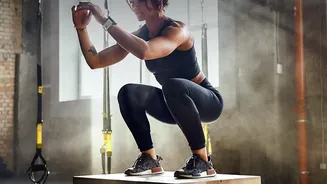
You don't need any equipment to get started. Bodyweight exercises are perfect for short, effective routines. The goal is to elevate your heart rate and challenge your muscles, even briefly. Try this simple, five-minute circuit. Perform each exercise for 45-50 seconds, with 10-15 seconds of rest in between: 1. Bodyweight Squats: Stand with feet shoulder-width apart and lower your hips as if sitting in a chair. Keep your chest up and back straight. 2. Wall Push-ups: Stand facing a wall and place your hands on it. Lean forward, bending your elbows until your nose nearly touches the wall, then push back. To make it harder, do push-ups on your knees or toes. 3. Lunges: Step one foot forward and lower both knees to 90-degree angles. Push back to the start and switch legs. 4. Plank: Hold a push-up position, keeping your body in a straight line from head to heels. Engage your core. 5. Jumping Jacks: A classic for a reason. It gets your heart rate up and works your whole body.
Weaving Movement Into Your Day
The beauty of exercise snacking is its flexibility. You can fit it in anywhere. Try doing a set of squats while you wait for your coffee to brew. Use a TV commercial break to hold a plank. Set a timer to get up from your desk every hour and do 20 jumping jacks. Take the stairs instead of the elevator. Walk around the room during phone calls. These small moments add up significantly. By attaching a micro-workout to an existing daily habit—a practice known as 'habit stacking'—you make it automatic. Soon, you won't even have to think about it; movement will simply be part of your day.