




A Symphony in the Canopy
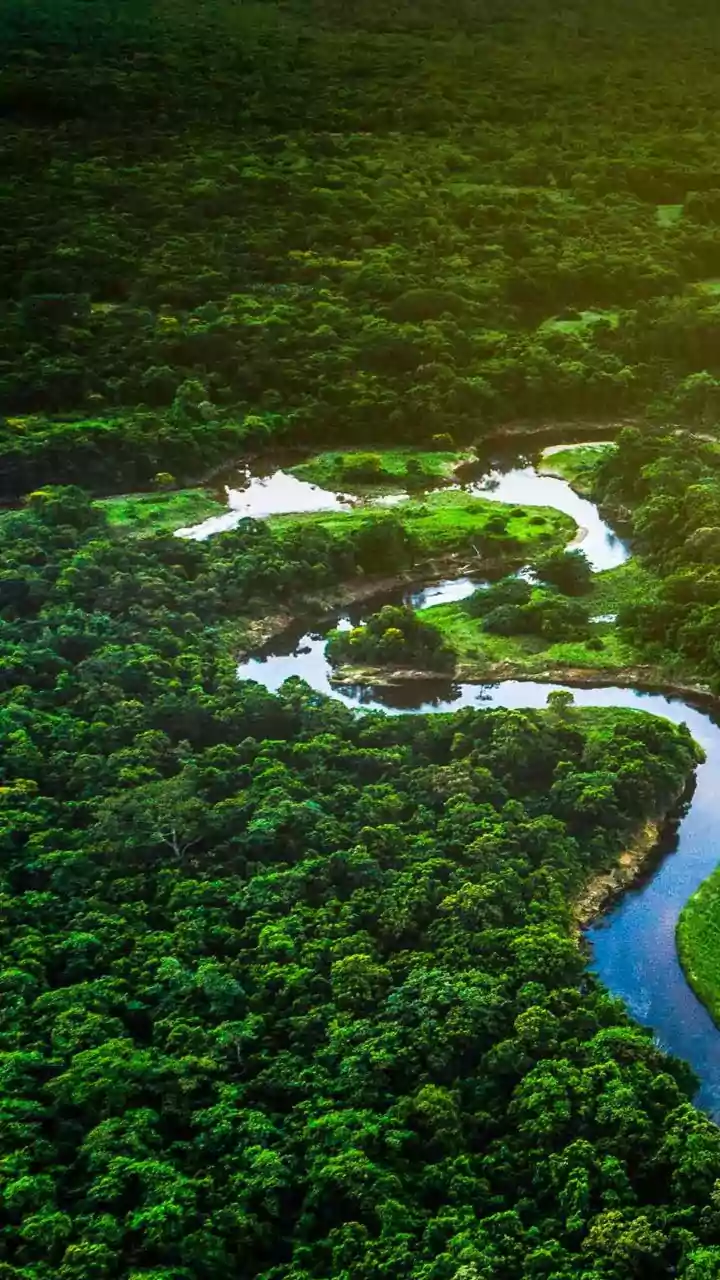
At the southern tip of South Andaman Island, a short drive from Port Blair, lies Chidiya Tapu, literally 'Bird Island'. It’s a name that is well-earned. The trek towards Munda Pahad viewpoint takes you through a mosaic of lush evergreen forest and coastal
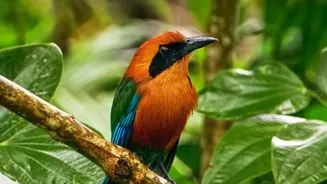
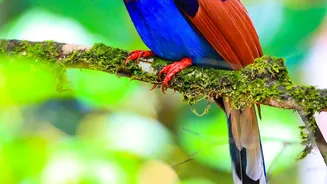
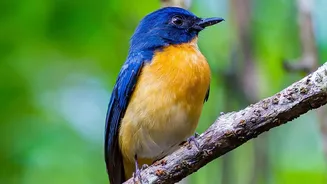
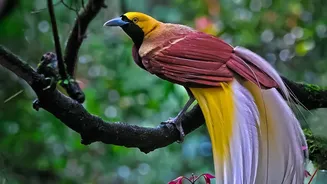
mangroves, where every branch and shadow can reveal a feathered jewel. This is one of India's richest island ecosystems, home to a remarkable concentration of birds found nowhere else on Earth. Birdwatchers come from around the globe, hoping to spot the Andaman Woodpecker, the vocal Andaman Drongo, or the striking Andaman Serpent Eagle. Other key birding hotspots in South Andaman include Mount Harriet National Park and the wetlands of Sippighat, each offering a unique habitat and a different cast of avian characters. It’s a place where a single day's patient observation can yield sightings of dozens of species, from the tiny Andaman Flowerpecker to the majestic White-Bellied Sea Eagle.
A Fragile Island Paradise
The Andaman and Nicobar archipelago is a global biodiversity hotspot. Its long isolation from the mainland has allowed for the evolution of unique species, with over a quarter of its plants and animals being endemic. These rainforests are not just collections of trees; they are intricate, interconnected systems that support this unique biodiversity and protect the islands from coastal erosion. However, unlike large mainland forests, island ecosystems are exceptionally vulnerable. Natural resources are finite, and the balance between forests, mangroves, and coral reefs is delicate. Species like the Andaman Woodpecker and the Narcondam Hornbill are already classified as 'Vulnerable' due to their restricted habitats, which are under increasing pressure from human activity. The very beauty that draws visitors to the islands is also what makes them so susceptible to damage.
The Unseen Impact of a Footstep
As tourism grows, so does the strain on the environment. While the economic benefits are significant, the ecological costs of unchecked visitor activity can be severe. Increased foot traffic leads to soil erosion on forest trails and the trampling of delicate undergrowth that many species rely on for foraging and nesting. Even seemingly harmless actions have consequences. Loud conversations and the use of recorded bird calls can cause stress to birds, disrupting their feeding and breeding activities. The flash from a camera can startle nocturnal birds like the Andaman Scops Owl, and litter left behind can pollute the habitat and harm wildlife. The problem is cumulative; the impact of a single person may seem small, but when multiplied by hundreds of thousands of visitors a year, it becomes a significant threat to the islands' long-term health.
The Birdwatcher's Code of Conduct
Adopting a low-impact approach isn't about restricting enjoyment; it's about enhancing it while ensuring the birds and their habitats are preserved. The first rule is to respect wildlife. Maintain a safe and respectful distance, using binoculars or a telephoto lens for a closer look. Never chase or harass birds, and resist the temptation to use recorded calls to lure them out. Sticking to marked trails is essential to prevent habitat damage and disturbance. When walking, move slowly and keep noise to a minimum; you'll see and hear more when you become part of the forest's quiet rhythm. Responsible photography means no flash, especially with nocturnal species. Always follow the 'Leave No Trace' principle: whatever you bring into the forest, you must take back out with you. Hiring a knowledgeable local guide not only increases your chances of spotting endemic species but also supports the local community and invests in the protection of these natural spaces.