







Forge Your Fitness Space
You don't need a dedicated room to create an effective workout zone, but you do need a dedicated space. Mentally, this helps you switch into workout mode. Clear a corner in your living room or bedroom—just enough space to stretch out fully without hitting
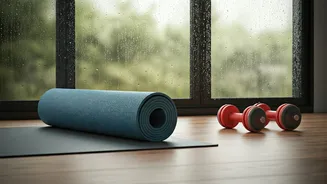
furniture. Make it inviting. Lay down a yoga mat, and if possible, keep your equipment organised and accessible in a basket or on a small shelf. A clutter-free space is more motivating and helps you focus on your session. Establishing clear environmental triggers, like having your workout clothes ready, signals to your brain that it's time to move.
Smart Gear for a Small Footprint
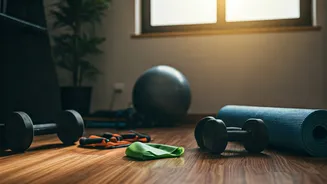
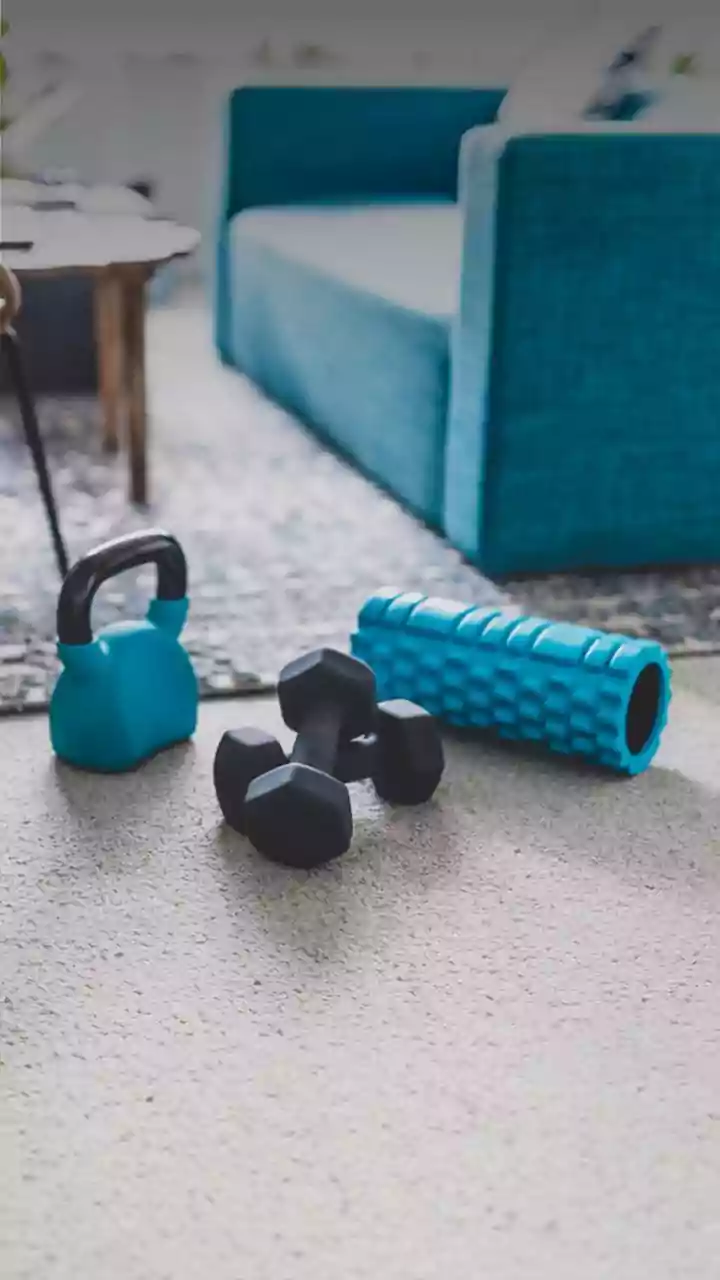
A full rack of weights isn't necessary for a great workout. A few versatile pieces of equipment can unlock hundreds of exercises. Start with resistance bands; they are affordable, space-efficient, and perfect for strength training, flexibility, and rehabilitation. An adjustable kettlebell is another excellent investment, offering a way to build strength and power with dynamic, full-body movements like swings and squats. If you have a bit more room, a foldable workout bench can significantly expand your exercise options, from chest presses to step-ups. The goal is to choose items that are multifunctional and easy to store.
Mastering the Bodyweight Workout
Your own body is one of the most effective fitness tools you have. Bodyweight exercises are proven to build strength, improve cardiovascular fitness, and manage body fat without any equipment. Foundational movements like push-ups, squats, lunges, and planks form the core of a powerful routine. To keep making progress, you can increase reps, add sets, or try more advanced variations. For example, once you master a standard push-up, you can progress to a hand-release push-up or even a clap push-up to build explosive power. Similarly, a standard squat can evolve into a jump squat for added intensity.
Structure Is Your Secret Weapon
Random workouts lead to random results. A structured plan is essential for progress. Aim for at least two days of strength-training activity per week, alongside moderate-intensity cardio. A simple and effective weekly split could involve three days of strength training (e.g., Monday, Wednesday, Friday) and two days of conditioning or cardio (e.g., Tuesday, Thursday). You can structure your strength days by muscle groups (like push, pull, legs) or opt for full-body workouts. The most important factor is consistency and creating a plan that you can realistically stick to. Writing your plan down helps you stay on track and visualise your workout before you even start.
Leverage Digital Trainers and Community
You may be at home, but you don't have to train alone. Fitness apps offer a vast library of guided workouts for every fitness level and interest, from HIIT and strength to yoga and Pilates. Apps like Nike Training Club and FitOn provide hundreds of free workouts, while others like Peloton and Shred offer more specialised programmes. Many apps also help you track your progress, which is a powerful motivator. Beyond apps, online communities and accountability partners can provide the encouragement and support you need to stay consistent, creating a sense of shared purpose even when you're working out solo.
Hacks to Stay Motivated
Motivation can be fleeting, which is why discipline and habits are so important. Schedule your workouts like non-negotiable appointments. Find a time of day when your energy is highest and you have the fewest distractions. Create a pre-workout ritual, like putting on a high-energy playlist, to get you in the right headspace. On days when you feel uninspired, use the five-minute rule: commit to just five minutes of movement. Often, once you start, you'll gain the momentum to finish. Remember why you started; connecting your fitness goals to something meaningful in your life will help you push through when motivation is low.