
A New Equation for Elegance
For decades, Indian celebratory wear was synonymous with weight and volume. Heavy lehengas and saris, dense with embroidery, were the undisputed hallmarks of luxury. But a significant shift is underway. A new generation of designers and conscious consumers
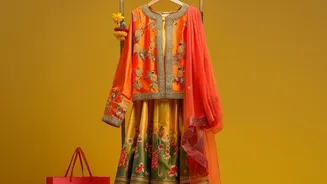
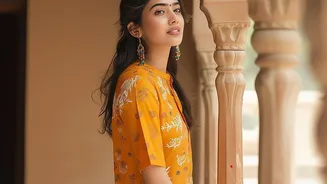
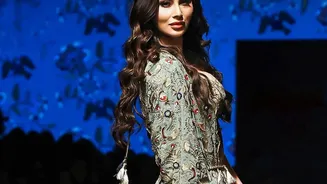
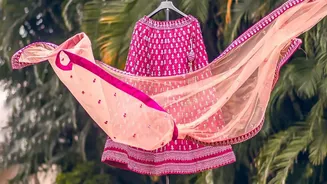
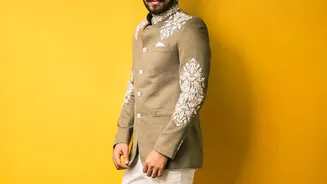
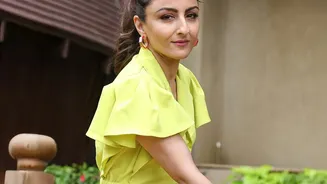
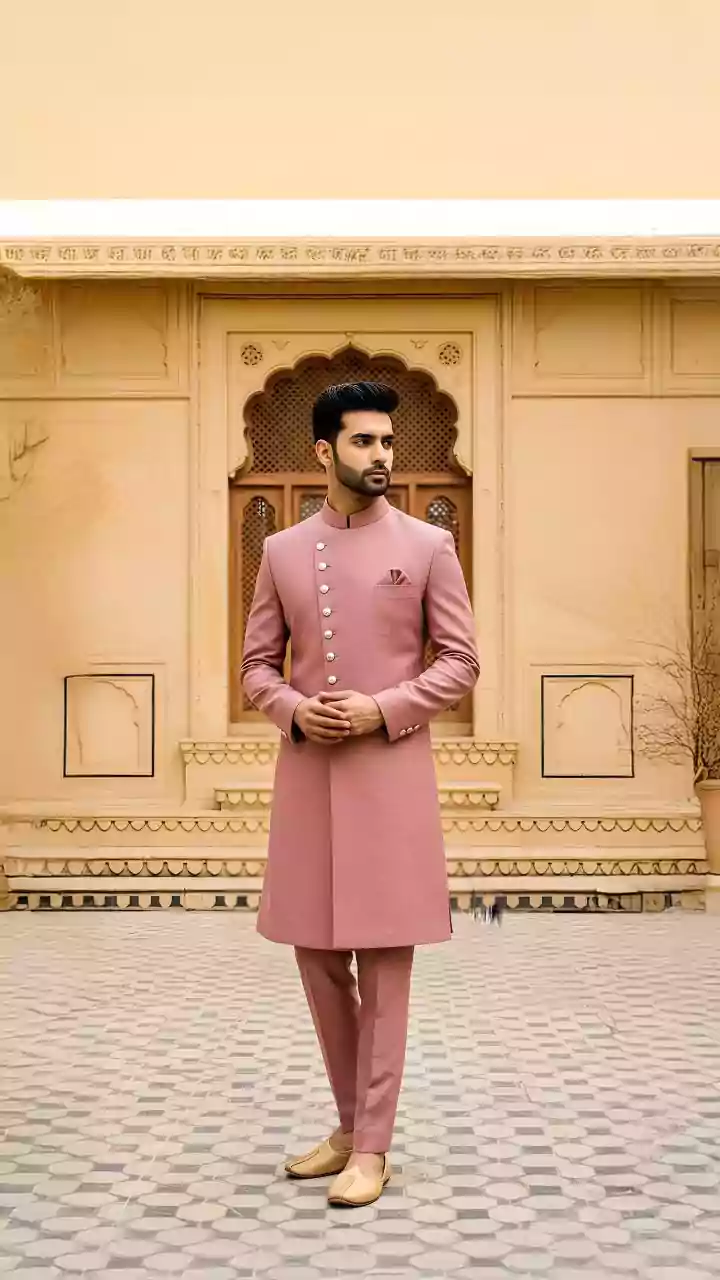
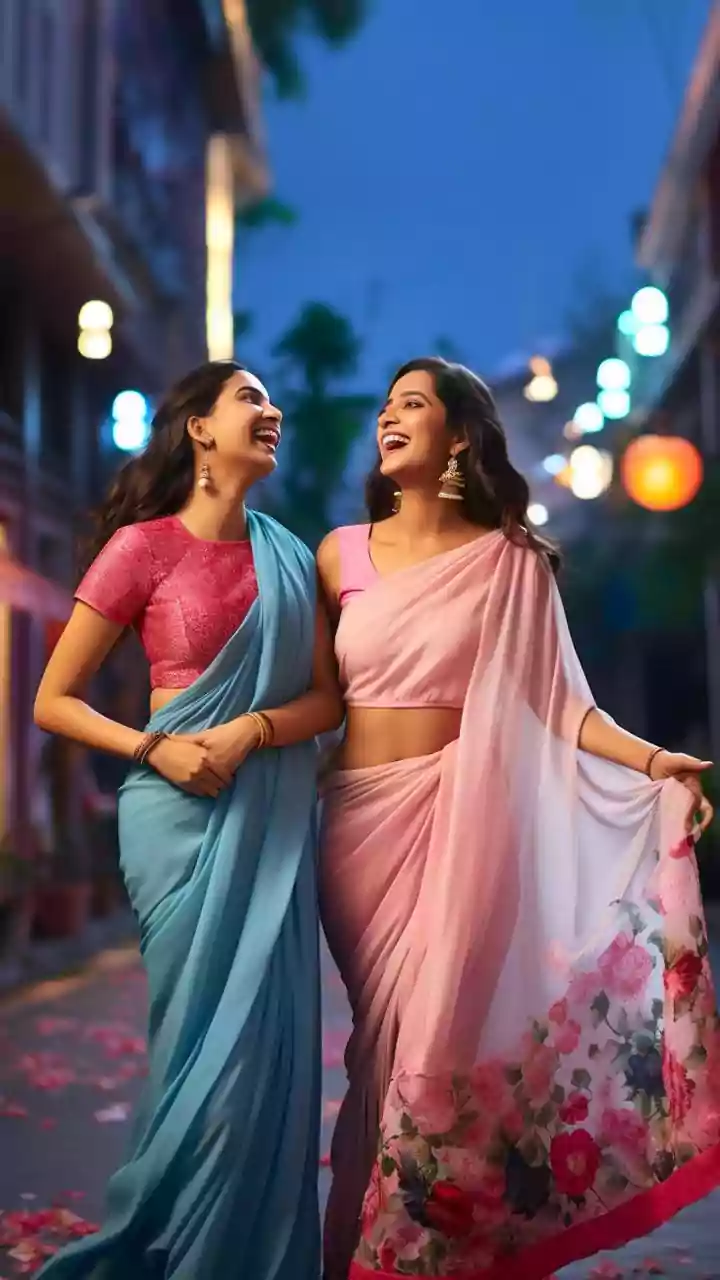
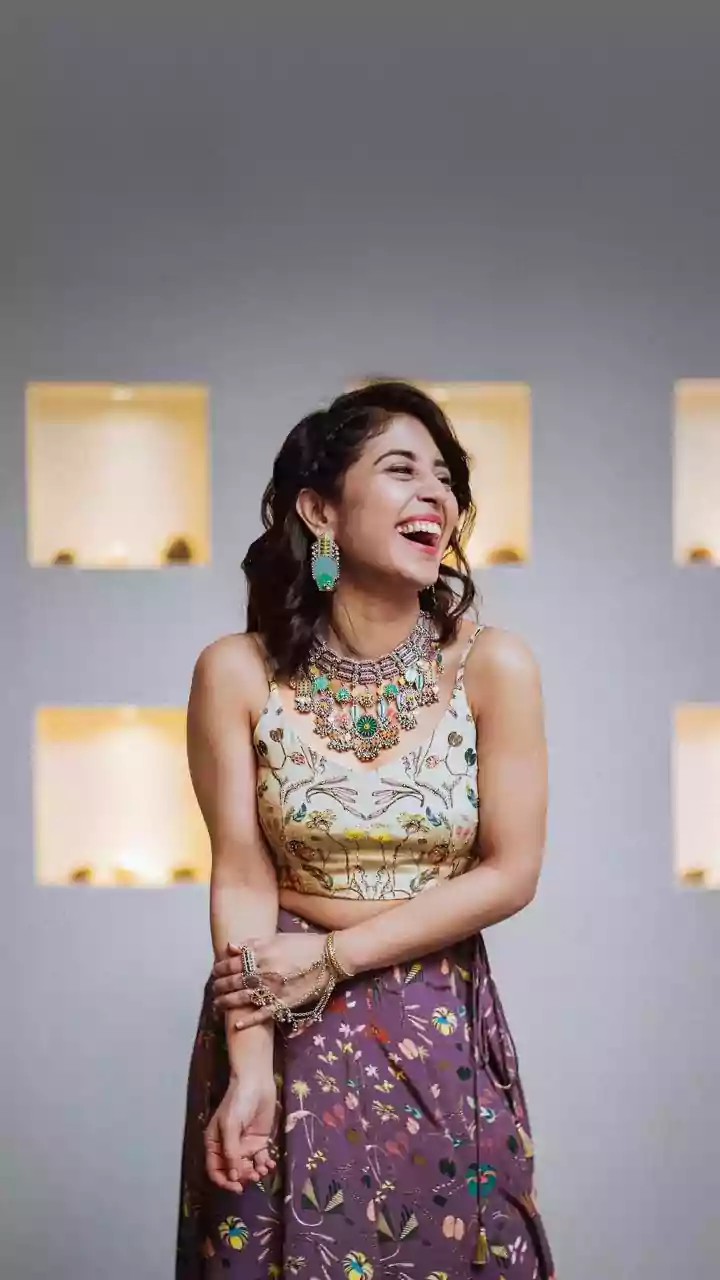
are embracing a different kind of sophistication, one where the focus is on the purity of the craft itself, rather than the grandeur of the silhouette. This has led to a beautiful fusion: traditional handlooms, intricate embroideries like Zardozi and Chikankari, and ancient weaving techniques are now being applied to structured jackets, minimalist dresses, sharp trousers, and cleanly draped saris. The result is a wardrobe that feels both culturally rooted and globally relevant, moving Indian craftsmanship beyond the confines of wedding ceremonies and into everyday life.
The Champions of Contemporary Craft
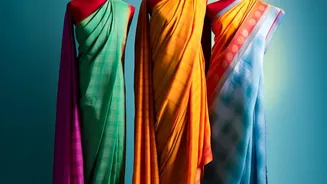
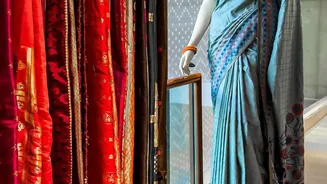
Several designers are at the forefront of this movement. Sanjay Garg's label, Raw Mango, has been instrumental in revitalizing textiles like Chanderi and Banarasi silk, presenting them in starkly simple yet intensely colourful sarees and separates that feel timeless. His approach is to let the fabric be the hero, with an aesthetic that is understated yet undeniably elegant. Similarly, Payal Khandwala is known for her architectural silhouettes and bold use of colour, often using handwoven silks and brocades to create dramatic yet wearable pieces like asymmetric kurtas and wide-legged trousers. These designers, among others, have proven that heritage textiles can be seamlessly integrated into modern cuts, appealing to a consumer who values both style and substance.
Letting the Artistry Shine
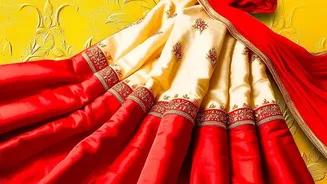
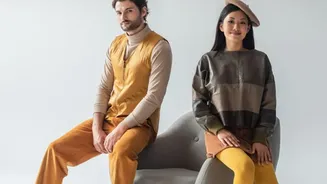
By simplifying the form of the garment, the artistry of the technique is thrown into sharp relief. When a complex Banarasi weave is used for a simple, structured jacket instead of a voluminous lehenga, the focus shifts entirely to the intricacy of the pattern and the lustre of the silk. This approach makes heritage crafts more accessible and versatile. A kurta is paired with jeans, a hand-embroidered jacket is thrown over a simple dress, or a handloom crop top is matched with tailored trousers. This blend of high and low, traditional and contemporary, allows consumers to incorporate pieces of Indian heritage into their wardrobes in a way that feels personal and modern, rather than costume-like. It’s a move away from occasion-specific dressing towards building a sustainable, meaningful closet.
The Global Appeal of Quiet Luxury
This trend is not just a domestic phenomenon; it has significant global appeal. As international fashion trends lean towards sustainability and authenticity, Indian handloom and artisanal textiles offer a compelling alternative to mass-produced fabrics. The emphasis on craftsmanship, natural fibres, and timeless design aligns perfectly with the global movement towards 'quiet luxury' and conscious consumerism. International celebrities and the Indian diaspora are increasingly embracing these modern interpretations of Indian wear, drawn to their unique blend of cultural storytelling and contemporary style. This global recognition is helping to position Indian fashion not just as a source of inspiration, but as a leader in innovative, craft-forward design.