



A New Flavour in the Cloud
You’ve probably ordered from one without even realising it. A cloud kitchen, also known as a ghost or virtual kitchen, is a restaurant that exists only for delivery. There are no tables, no waiters, and no storefront—just a kitchen preparing food for online
orders. This low-investment, high-efficiency model has revolutionised the food industry, allowing chefs and entrepreneurs to reach wide audiences without the hefty costs of a traditional restaurant. Now, this model is becoming a vessel for cultural preservation. A growing number of micro-cloud kitchens are being launched by individuals passionate about their heritage, bringing hyper-regional indigenous food to the urban mainstream. It’s a quiet revolution, happening one delivery at a time.
Beyond Butter Chicken and Biryani
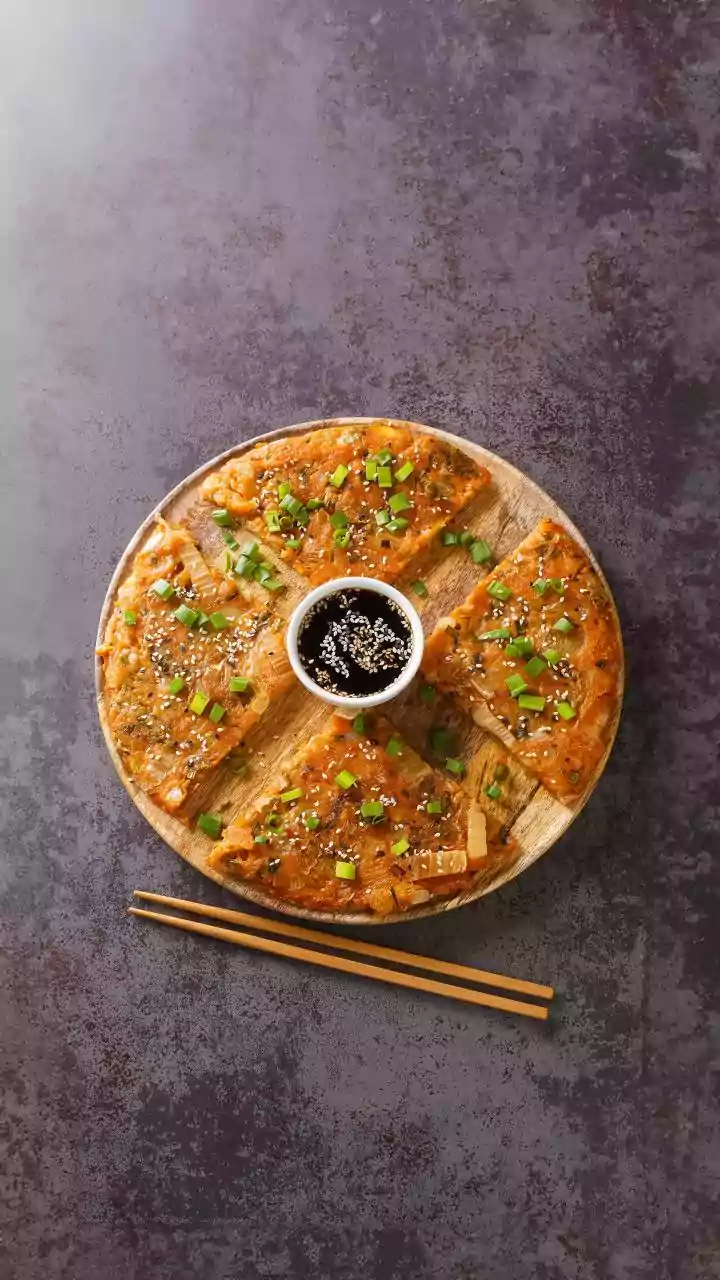
For many urban Indians, the concept of tribal food is a mystery. Yet, these cuisines are a treasure trove of unique flavours, sustainable ingredients, and healthy cooking techniques. Imagine the smoky, fiery taste of Naga pork cooked with fermented soybean (akhuni) or bamboo shoots, a staple offered by numerous delivery kitchens in cities like Delhi and Bengaluru. Or consider Jharkhand’s 'Dhuska', a savoury fried bread made from rice and lentil batter, served with a spicy potato and chickpea curry, now finding fans in places like Bangalore. In Ranchi, entrepreneurs are popularising dishes from the Oraon and Santhal communities, like 'Ajam Emba', which means “delicious taste” in the Kurukh language, offering a menu filled with seasonal greens and local grains. These are not just meals; they are stories of the land, cooked with ingredients like wild mushrooms, foraged leaves, and potent chillies that are rarely found in commercial pantries.
The Entrepreneurs Preserving Heritage
Behind this burgeoning trend are passionate entrepreneurs, many of whom are migrants from these communities themselves. For some, it was a way to combat the nostalgia of being away from home. For others, it was about challenging the stereotypes and biases they faced because of their food. Take K. Khumba, who started Lu's Kitchen, a Naga delivery service in Delhi, with a modest investment of around ₹50,000 from her home kitchen. Similarly, Diana Zhimomi of Bamboo Hut in Delhi began her journey to share the authentic food she grew up with, which was often misunderstood by others. These entrepreneurs are not just business owners; they are cultural ambassadors. They navigate complex supply chains to source authentic ingredients like smoked meats and specialty herbs directly from their home states, ensuring every dish is a genuine reflection of its roots.
From Stigma to Status Symbol
Not long ago, the strong, pungent aromas of ingredients like fermented soybeans and dried fish were a source of stigma for people from the Northeast living in metro cities. Food that was a source of comfort and identity at home became a reason for discrimination in shared living spaces. However, attitudes are changing. As urban palates become more adventurous, what was once considered 'stinky' is now celebrated as exotic and authentic. According to academics, food has emerged as a new site for Naga entrepreneurship, turning a former stigma into an exclusive ethnic cuisine. This shift is driven by a new generation of diners who are curious, well-travelled, and eager to explore the diverse culinary landscape of their own country.
More Than Just a Meal
Ordering from a tribal cloud kitchen is about more than just satisfying a craving for something new. It is an act of cultural and economic support. These small businesses create a vital economic link, providing livelihoods for the entrepreneurs and, in many cases, for the farmers and producers back in their home villages who supply the ingredients. It’s a sustainable model that empowers communities and helps preserve ancient culinary traditions that are at risk of being forgotten. By choosing to explore these cuisines, urban foodies are not only expanding their own culinary horizons but also helping to ensure that India's rich, diverse food heritage continues to thrive in the modern world. It’s a delicious form of cultural exchange, connecting the country one flavourful, home-cooked meal at a time.