




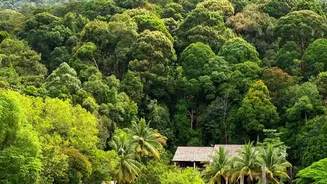
A Treasure Under Unprecedented Stress
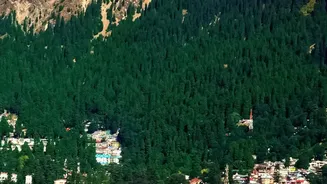
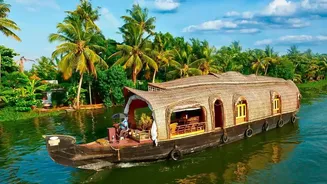
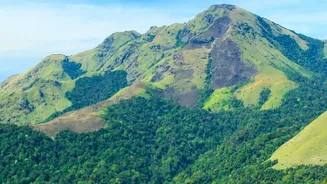
Nestled in the Western Ghats, Kerala is home to a staggering array of life, including over 5,000 species of flowering plants, 139 mammal species, and hundreds of bird and amphibian species. This natural wealth, however, is proving to be incredibly fragile.
A pioneering new assessment, the first-ever 'Red List of Ecosystems' for an Indian state, was launched in October 2026 to scientifically evaluate the risk of ecosystem collapse across all 14 districts. The initiative moves beyond just counting trees, focusing instead on the health of entire habitats, from high-altitude grasslands to coastal mangroves. The early findings are a stark warning. Some of the state's most vital ecosystems are on a path toward potential collapse within decades.
The Alarming Findings
The assessment highlights a devastating reality: Kerala's tropical riparian evergreen forests, which line its riverbanks, have suffered an 83% loss over the last century. These critical habitats are now considered 'Critically Endangered' under IUCN criteria, with researchers projecting a potential collapse in the next 20 to 40 years. Other unique ecosystems face similar threats. The fragile Myristica swamps, high-altitude Shola grasslands, and protective coastal mangroves are all under pressure from threats like urban expansion and rising sea levels. While previous reports showed an increase in overall forest cover, this new assessment reveals that the quality of these habitats and the biodiversity they support are declining rapidly.
The Silent Invasion
One of the most insidious threats highlighted by recent studies is the spread of invasive alien species. Plants like Senna spectabilis, Lantana camara, and Mikania micrantha are overrunning native vegetation. Senna, for example, was introduced for ornamentation but now covers vast areas of the Wayanad Wildlife Sanctuary. Its dense canopy blocks sunlight, preventing native grasses and plants from growing, which in turn degrades the habitat for wildlife and reduces food availability for herbivores. These invasive species disrupt the food chain, hinder the regeneration of native forests, and impact the livelihoods of local communities who depend on forest resources.
Human Pressures and Climate Change
The pressures on Kerala's ecosystems are twofold: human activity and climate change. Habitat destruction for agriculture, logging, mining, and infrastructure development has fragmented the landscape. This fragmentation isolates wildlife populations and is a key driver of human-wildlife conflict. Simultaneously, climate change is bringing more extreme weather events, from erratic rainfall to intense floods and landslides, further degrading already vulnerable ecosystems. The combination of these factors creates a vicious cycle where a weakened environment is less resilient to the impacts of a changing climate.
The Path to Sustainable Preservation
The assessment's urgent message is that traditional conservation is not enough. The focus must shift to sustainable, holistic preservation. Kerala's government has outlined a Biodiversity Strategy and Action Plan, aiming to make the state India's most biodiverse-friendly by 2035. This involves moving beyond species-focused conservation to protecting entire ecosystems. Key strategies include empowering local communities through Biodiversity Management Committees, which are active in all of the state's 1,200 local governments, and integrating scientific data directly into local planning. The new Red List project will provide these committees with detailed maps to guide ecorestoration, strengthen natural barriers against floods, and promote sustainable development tailored to their specific landscape. Other proposed solutions include creating an exclusive legal framework for managing invasive species and promoting community-centric ecotourism.