




The Serving Size Illusion
It’s a common scenario: you finish a small packet of biscuits or a can of soda, assuming you've consumed the calories stated on the front. In reality, you may have had two, or even three, servings. This is the serving size illusion. Food manufacturers
often list nutritional information for a serving size that is much smaller than what a person would typically eat in one sitting. A single-person-sized bag of chips might list 10 chips as one serving, while a 20-ounce soda bottle might be broken down into 2.5 servings. This isn't a mistake; it's a marketing strategy. By using unrealistically small serving sizes, the calorie, sugar, and fat content per serving appears lower and more appealing to health-conscious consumers.
Why The 'Per Serving' Number Matters
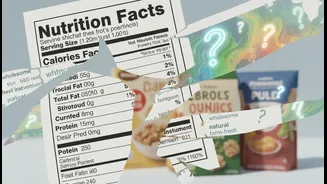
The problem lies in how we interpret labels. Our eyes are often drawn to the big, bold calorie number, but we might miss the fine print that says "servings per container." According to the Food Safety and Standards Authority of India (FSSAI), all packaged foods must display nutritional information, which can be presented per 100g/ml or per serving. While this provides a standard, the flexibility in defining a "serving" is where things get tricky. FSSAI defines a serving size as the amount of food customarily consumed per eating occasion, but this can be subjective and vary wildly from actual consumption habits. As a result, a product can maintain a "health halo" by highlighting a low calorie count for a tiny serving, even if the entire package contains a significant amount.
Common Culprits in Your Pantry
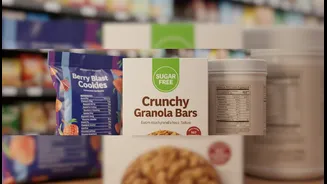
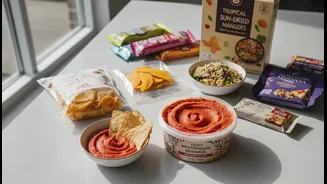
This practice is widespread across many food categories. Think of instant noodles; a single block is often listed as two servings. A small chocolate bar may be divided into two servings on its label. A packet of biscuits might list the serving as just two or three cookies, even though many would eat the whole row. Even seemingly healthy items like breakfast cereals and fruit juices are affected. The serving size for cereal is often a mere 3/4 cup, which barely covers the bottom of a standard bowl, and a glass of juice might be double the listed serving size. By not paying attention, you could easily consume double or triple the fat, sugar, and calories you intended.
Become a Label-Reading Expert
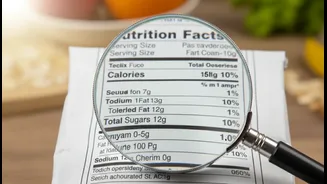
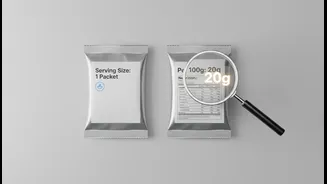
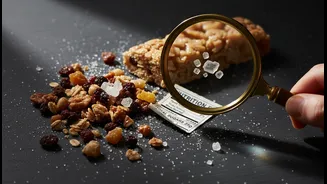
So, how can you outsmart the serving size trap? It requires a simple, two-step habit. First, always check the "Servings Per Container" at the top of the nutrition facts panel. This is the most crucial piece of information. Second, do the math. Multiply the calories, fat, and sugar by the number of servings you are actually consuming. If a package has three servings and you eat the whole thing, you need to multiply all the nutritional values by three to understand your true intake. For easier comparison between different products, use the "per 100g" column when available. This provides a standardized measure that isn't affected by a manufacturer's chosen serving size.
Beyond the Numbers: A Holistic View
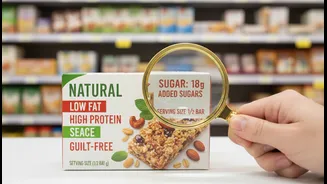
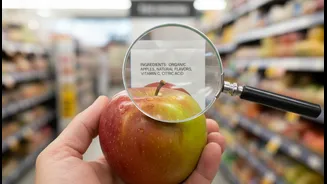
While mastering serving sizes is key, it's also important to look beyond just the calories. The ingredients list, ordered by weight, tells you what the food is primarily made of. If sugar or refined flour is one of the first few ingredients, it’s a sign that the product is highly processed, regardless of what the per-serving calorie count suggests. Recent proposals by FSSAI aim to make labels clearer by displaying information like total sugar and saturated fat in bold, larger fonts, which will further empower consumers. Ultimately, making informed choices means looking at the complete picture—serving sizes, total nutrients, and the quality of the ingredients.