






From Playground to Proactive Care
The conversation around youth fitness in India is expanding. While initiatives like the Fit India Movement have successfully promoted physical activity, there is a growing understanding that true wellness is more than just exercise. A new focus is emerging,
one that prioritises prevention over cure. This is where health screening camps come in, adding a crucial diagnostic layer to traditional fitness drives. Instead of just encouraging activity, these camps aim to identify potential health issues before they become serious problems, marking a significant evolution in how India views the long-term health of its young population. Recent events across the country, from Noida to Chandigarh, highlight this trend, where organisations are combining wellness education with practical health check-ups.
What Do These Screenings Uncover?
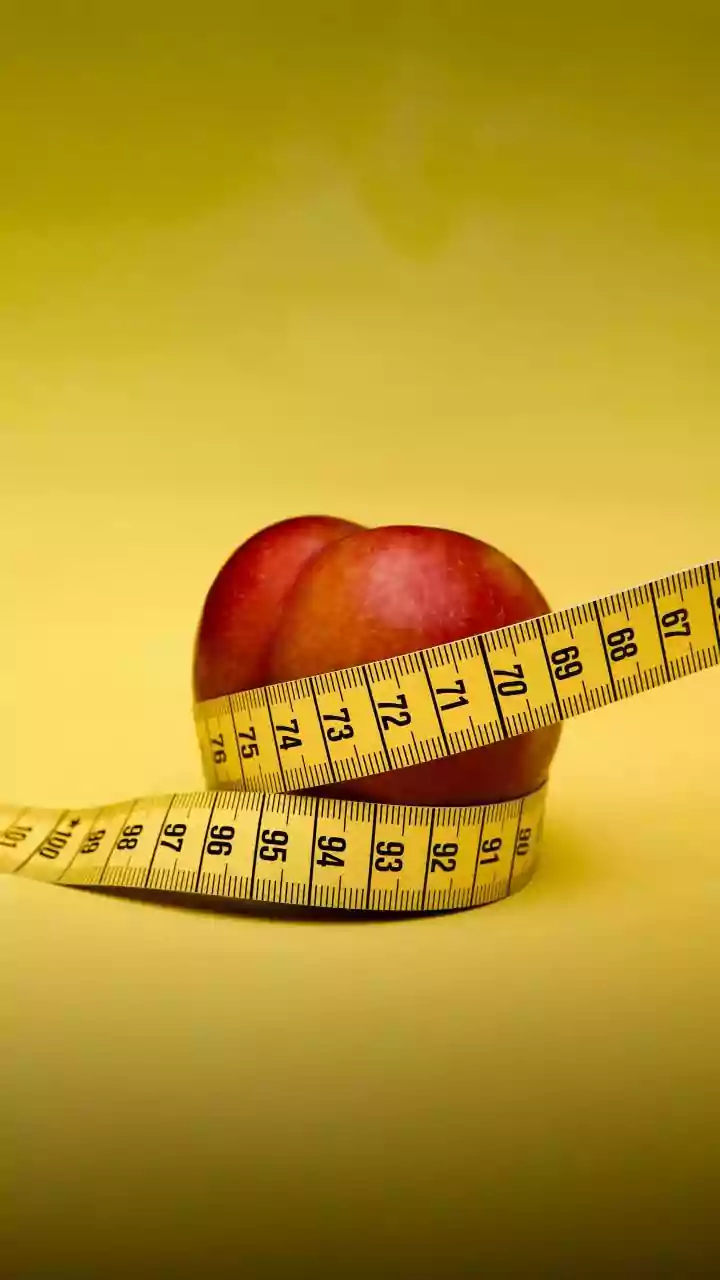
These camps are not just about measuring height and weight. They are becoming more comprehensive, designed to catch the silent health threats that can affect a young person's development and future. Common screenings include Body Mass Index (BMI) assessments, basic dental and eye check-ups, and nutritional evaluations to detect deficiencies in essentials like Vitamin D or iron. In many school-based programmes, check-ups screen for vision and hearing problems, which can directly impact academic performance. Some initiatives, run in coordination with programmes like the Rashtriya Bal Swasthya Karyakram (RBSK), also look for early signs of non-communicable diseases (NCDs), developmental delays, and anaemia, which is particularly prevalent among adolescents in India.
The Power of Early Detection
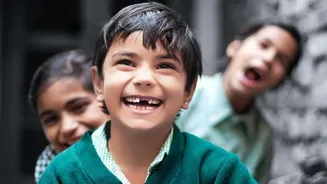
The core principle of these camps is simple: prevention is better than cure. Identifying a health issue in its nascent stages can fundamentally alter a child's life trajectory. Correcting a vision problem can improve learning, addressing a nutritional deficiency can boost energy and concentration, and identifying obesity or prediabetes early can prevent lifelong chronic illness. Reports indicate that many lifestyle-related health risks are now appearing at younger ages in India, making such early interventions more critical than ever. By catching these issues, the camps do more than just treat an ailment; they protect a child's potential, ensuring that a manageable health concern doesn't become a barrier to their education and overall well-being.
A Coordinated National Effort
These health camps are often part of a larger, coordinated push involving government bodies, NGOs, and educational institutions. The National Education Policy (NEP) 2020 explicitly calls for regular health check-ups for all students, with monitoring through health cards. Initiatives like the Ministry of Youth Affairs and Sports' "My Health, My Pride" campaign, part of the Nasha Mukt Yuva for Viksit Bharat Abhiyan, have recently conducted screenings for tens of thousands of young people, combining check-ups with awareness sessions on nutrition and substance abuse. This synergy between different departments and organisations shows a growing national consensus: the health of India's youth is a foundational pillar for the nation's future development.
Challenges and the Path Forward
Despite the progress, challenges remain. Ensuring that these health services reach every child, especially in rural and remote areas, is a significant logistical hurdle. The effectiveness of a screening camp is also dependent on the follow-up care provided. Identifying a problem is only the first step; connecting the child and their family with the necessary treatment and support is crucial for a successful outcome. Furthermore, building health literacy among parents and communities is essential to ensure that the advice given during these camps is understood and implemented. The future of this preventive movement lies in strengthening these follow-up mechanisms and making health education an integral part of community life, turning awareness into sustainable healthy habits.