


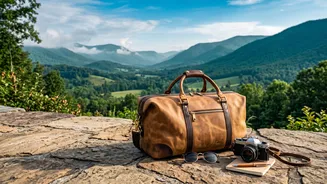
The idea of a long, leisurely annual vacation is fading. For many young urban professionals in India, the new travel mantra is 'short, sweet, and frequent'. This shift isn't just about packed calendars; it's a strategic response to modern work-life.
An Antidote to Professional Burnout
The
primary driver behind the rise of so-called 'micro-vacations' is the relentless pace of modern professional life. Many young professionals report feeling constantly connected to work, making the idea of a two-week disconnect a source of anxiety rather than relief. The pressure to be always 'on' has led to a rise in burnout among millennials and Gen Z. Instead of one big annual reset, many are opting for several shorter breaks—often just two to four days—spread throughout the year. These frequent getaways act as regular pressure-release valves, helping to combat stress and mental fatigue more consistently than a single, distant holiday. Some are even engaging in 'rage booking'—impulsive, last-minute trips booked in response to intense work stress.
The Economics of the Quick Escape
Finances play a huge role in this trend. While a long vacation often involves significant expenses for flights, extended hotel stays, and daily costs, a shorter trip is inherently more affordable. This allows young professionals to enjoy the thrill of a getaway without the 'financial hangover' of a large credit card bill. The logic has shifted from saving up all year for one big spend to enjoying multiple, budget-friendly experiences. Interestingly, travellers on shorter trips are often willing to spend more per day on premium experiences, like boutique hotels or unique dining, because the overall cost remains manageable. This 'quality over quantity' approach makes luxury feel more accessible.
The Social Media Influence
The desire for new, shareable content for platforms like Instagram is a powerful motivator. Studies show that a vast majority of young Indian travellers use social media for travel inspiration, with platforms like Instagram and YouTube being highly influential in their decision-making. Shorter, more frequent trips provide a steady stream of diverse experiences and 'Instagrammable' moments from various locations, from hill retreats and beach escapes to heritage towns. Travel influencers often showcase quick itineraries and hidden gems just a few hours from major cities, making a two-day adventure feel both exciting and achievable. This has created a culture where the breadth of travel experiences is sometimes valued more than the depth of a single long journey.
Less Planning, More Spontaneity
Organising a multi-week vacation can be a project in itself, requiring extensive planning, leave coordination, and complex itineraries. In contrast, a weekend trip requires minimal logistical effort. With improved highways, affordable flights, and the ease of online booking, spontaneous trips have become incredibly convenient. Research shows a significant number of domestic trips are now booked within just a few days of departure. This flexibility is perfect for professionals with demanding and unpredictable schedules. It allows them to escape whenever a window of opportunity opens, without the stress and commitment of a long planned holiday.
Redefining Rest and Recovery
There's a growing realisation that the restorative benefits of a vacation don't necessarily correlate with its length. Scientific studies have found that short breaks can be just as effective as longer ones for mental recovery, and sometimes even better for restoring cognitive capacity. The happiness boost from a vacation tends to fade quickly, regardless of how long the trip was. Therefore, having multiple 'post trip glows' throughout the year can be more beneficial for sustained well being than a single, fleeting one. This changes the perception of travel from a once a year luxury to an essential and regular part of a healthy work life balance.