



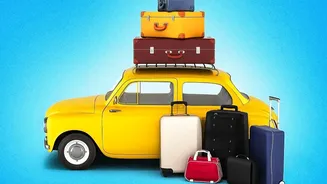


From Annual Leave to Weekend Escape
The idea of waiting an entire year for a single, long trip is quickly becoming a thing of the past for India's youngest generation of adults. Instead, a new pattern of ‘micro-cations’ or ‘holiday snacking’ is taking hold. Recent surveys highlight this
significant shift: a majority of Indian Gen Z travellers now prefer taking multiple short trips over one extended holiday. According to one report, 72% of Gen Z travellers in India are choosing trips that last between one to seven days. This translates to frequent getaways, often planned around weekends and public holidays, transforming travel from a rare event into a regular part of life. These are not grand, meticulously planned excursions but quick, refreshing resets designed to break the monotony of work and daily routines without requiring a huge commitment of time or money.
The Economics of 'Snackable' Travel
This trend is deeply rooted in financial pragmatism. With many just starting their careers, Gen Z is a generation of savvy spenders. While the desire to travel is high, budgets are often tight. Shorter trips are inherently more affordable, making travel more accessible. Instead of one large expense, costs are distributed across several smaller, manageable getaways. Data shows that while salaried Gen Z workers may aspire to travel, it only accounts for about 5% of their monthly spending, suggesting that budget-friendly options are crucial. This generation has mastered the art of stretching a budget, with many willing to trade luxury stays for more economical options and take shorter trips to save money. This financial approach allows them to have a diverse range of experiences throughout the year without breaking the bank.
The Rise of the 'Workation'
The post-pandemic normalisation of remote and hybrid work has been a major catalyst for this travel style. With the flexibility to work from anywhere, a cafe in the mountains or a homestay by the beach can become a temporary office. This blend of work and leisure, often called a 'workation', allows young professionals to explore a new place without dipping into their limited leave balance. Destinations like Manali, Goa, and Rishikesh have become popular hubs for these digital nomads, who are driving growth in local economies and co-working spaces. Improved internet connectivity across the country has made this lifestyle more viable than ever, enabling Gen Z to satisfy their wanderlust while staying productive.
Driven by the Social Feed and Experience
Social media platforms like Instagram and YouTube are the primary sources of travel inspiration for Indian Gen Z. The constant stream of new destinations, unique cafes, and hidden gems creates a desire for variety. Multiple short trips provide a wider array of experiences to capture and share compared to a single long vacation. However, there's also a counter-trend emerging: ‘de-influenced’ travel. While inspiration may come from social media, many young travellers are actively seeking undiscovered places and personal, unique experiences rather than just visiting viral hotspots. Reports indicate that as many as 95% want their trips to feel less rigidly planned, leaving room for spontaneity. It's about collecting memories and experiences, not just ticking off a checklist. This generation prioritises a life rich in experiences over material possessions, and a calendar dotted with several small adventures delivers just that.