





Beyond the Coffee Crash
For many professionals, especially those staring down hours of complex code, coffee is the undisputed king of workplace fuel. Its quick kick is reliable for starting the day, but it often comes with a steep price: the inevitable crash. That sharp spike
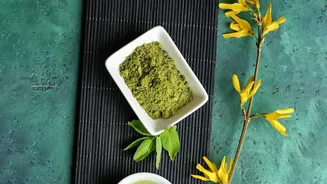
in energy is frequently followed by a plunge, leaving you feeling more tired and less focused than before. This is where matcha, a finely ground powder of specially grown and processed green tea leaves from Japan, offers a compelling alternative. Unlike coffee, which can induce jitters and anxiety, matcha provides what users describe as a state of 'calm alertness'. This unique effect is making it a popular choice in fast-paced urban centres like Bengaluru, Mumbai, and Delhi, where sustained mental endurance is paramount.
The Science of a Smoother Boost
What sets matcha apart is its unique chemical composition. It contains caffeine, but it's delivered in a different way. The secret lies in a rare amino acid called L-theanine, which is found in high concentrations in shade-grown matcha. L-theanine works synergistically with caffeine, slowing its absorption into the bloodstream. This prevents the sudden jolt and subsequent crash associated with coffee and energy drinks. Instead, it promotes the production of alpha brain waves, which are linked to a state of relaxed concentration—the same state often achieved through meditation. The result is a smoother, longer-lasting energy boost that can last for four to six hours, helping you maintain focus without the nervous side effects.
A Ritual for a Restless Mind
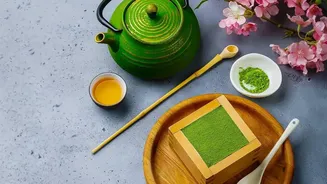
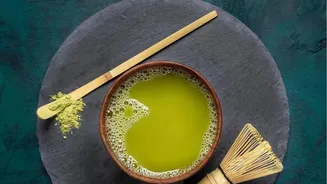
Beyond its chemical benefits, the very act of preparing matcha can be a form of mindfulness. The traditional method involves a few deliberate steps: sifting the powder to remove clumps, adding hot (but not boiling) water, and whisking it vigorously with a bamboo whisk called a 'chasen' in a W-shaped motion until a fine froth appears. This two-minute ritual can serve as a meditative break, a moment to disconnect from the screen and centre your thoughts before diving back into a demanding task. In a world of instant gratification, this intentional process encourages a pause, helping to transition the mind into a state of readiness for deep work. This practice has been used by Zen monks for centuries to aid in long periods of meditation.
The Growing Trend in India
What was once a niche product found only in specialty stores is now a mainstream feature on the menus of popular cafe chains like Blue Tokai, Third Wave Coffee, and even Starbucks across India. The Indian matcha market is projected to grow significantly, driven by a new generation of health-conscious urban consumers looking for functional beverages. Google Trends data shows a massive surge in searches for "how to make matcha" in India, indicating that the trend is moving from cafes into home kitchens. This shift is particularly noticeable among young professionals in tech hubs who are seeking an edge in productivity and well-being.
How to Get Started with Matcha
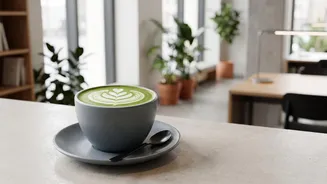
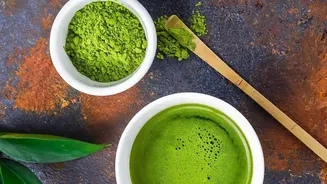
For those new to matcha, the variety can seem daunting. It’s best to start with a high-quality 'ceremonial grade' matcha, which is made from the youngest tea leaves and has a smoother, less bitter taste. While the full traditional toolset includes a bamboo whisk (chasen) and a special bowl (chawan), you can begin by simply using a small bowl and a regular kitchen whisk or an electric milk frother. Start with about half a teaspoon (1-2 grams) of powder, make a paste with a little hot water (around 80°C), and then whisk in about 75-100 ml more. You can adjust the strength to your liking and even enjoy it as a latte with steamed milk. The key is to source authentic Japanese matcha, as lower-quality powders can be bitter and lack the desired health benefits.