








Jaipur in the Rains
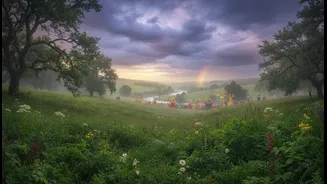
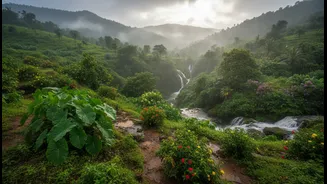
Planning a trip to Jaipur during the monsoon might seem counterintuitive, but it's a season of unexpected beauty. The scorching summer heat gives way to cooler, cloud-laden skies. The crowds thin out, allowing for a more intimate experience with the city's
iconic forts and palaces. Amber Fort, Nahargarh, and the Jal Mahal take on a dramatic new character when shrouded in mist, their sandstone walls glistening after a fresh shower. The scent of wet earth hangs in the air, a phenomenon the locals call 'petrichor', creating a sensory backdrop for exploring the Pink City’s suddenly lush gardens and vibrant bazaars. It’s a time when the city sheds its desert persona and embraces a softer, more romantic mood.
The Ultimate Monsoon Hook: Teej
The true reason to visit Jaipur during the monsoon, the essential cultural hook, is the Teej festival. Celebrated with immense fervour, especially in Rajasthan, this festival marks the reunion of Goddess Parvati with Lord Shiva and welcomes the life-giving rains. Primarily a festival for women, Teej, and specifically Hariyali Teej, explodes across the city in a riot of green. It is a spectacle of faith, community, and pure, unadulterated joy that transforms the city streets into a living celebration. For a traveller seeking an authentic cultural immersion, timing your visit to coincide with Teej is non-negotiable.
A Spectacle of Colour and Tradition
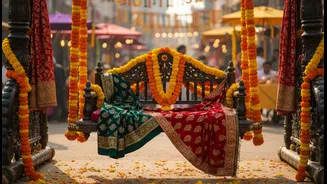
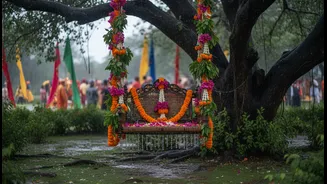
Teej is a visual and cultural feast. Women and girls, dressed in brilliant green and multi-hued 'Leheriya' sarees, throng the markets and gardens. Their hands are adorned with intricate mehndi designs, and the air clinks with the sound of glass bangles. A key tradition is the 'jhula' or swing. Trees are decorated with flowers, and ornate swings are hung for women to ride while singing traditional folk songs. The festival has its own special delicacies, most notably Ghewar, a disc-shaped honeycomb sweet soaked in syrup that is a must-try. The entire city buzzes with a festive energy that is both deeply spiritual and incredibly infectious.
The Royal Procession
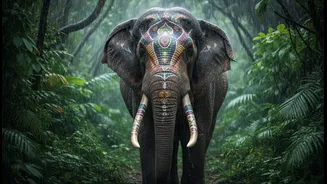
What makes the Teej celebration in Jaipur truly unparalleled is its famous procession. For two days, a grand spectacle, with roots in royal tradition, winds its way through the Old City. An antique palanquin carrying the idol of Teej Mata, or Goddess Parvati, emerges from the City Palace. The procession is a majestic affair, featuring decorated elephants, camels, folk dancers performing the Ghoomar, and local bands. It moves through the bustling lanes of Tripolia Bazaar and Choti Chaupar, where thousands of onlookers gather on rooftops and balconies to catch a glimpse of the goddess. It is this royal pageantry that elevates Jaipur’s Teej from a local festival to a world-class cultural event.
Planning Your Monsoon Trip
Hariyali Teej falls during the Hindu month of Shravan, which corresponds to late July or August. To fully experience it, position yourself along the procession route in the Walled City. Arrive early to find a good vantage point. Beyond the festival, dedicate time to other monsoon pleasures. Drive up to Nahargarh Fort for breathtaking, panoramic views of the rain-washed city below. Visit the Sisodia Rani Ka Bagh, a tiered garden that is at its most beautiful during this season. End your days at a local cafe, sipping masala chai and enjoying hot pakoras as the rain drums down outside, completing a perfect monsoon cultural journey.