
Beyond the Cappuccino
The first sign of change is on the drinks menu. While the classic cappuccino holds its ground, the new coffee connoisseur, often from the Gen Z demographic, is looking for more. Cafés are now vibrant hubs for specialty coffee, showcasing manual brewing
methods like pour-overs and AeroPress that highlight the origin and flavour notes of single-estate Indian beans. This new wave isn't just about technique; it's about taste. We're seeing innovative concoctions that infuse global trends with a distinctly Indian touch. Think nitro-infused orange tonics, Vietnamese-style egg coffees, and lattes flavoured not with artificial syrups, but with spices like cardamom and turmeric. Even traditional favourites are getting a makeover, like the Kaapi Nariyal, a brew that blends South Indian filter coffee with coconut. It’s a move away from overly sweet, dessert-like drinks toward balanced, functional beverages that celebrate the core ingredient, be it coffee or tea.
Small Plates, Big Flavours
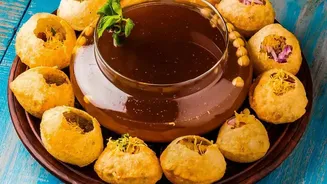
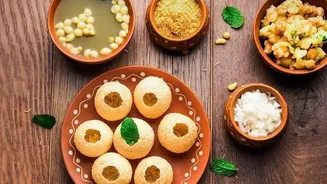
The main course has been 'snackified'. Reflecting a generational shift away from three large meals a day, café menus are increasingly dominated by creative small plates. This format is the perfect playground for culinary experimentation, allowing chefs to blend international formats with the bold, punchy flavours that young Indians crave. The result is a menu that reads like a delicious cultural dialogue. Imagine biting into a mutton shuka quesadilla, where a South Indian dry mutton delicacy is wrapped in a tortilla with mozzarella. Or consider butter chicken pani puri, a dish that turns a North Indian classic into a delicate mousse served in a crispy shell. This trend extends across cuisines, giving us everything from masala mac and cheese and tandoori chicken pizza to falafel chaat and pulled pork phulka tacos. It’s about taking familiar comfort foods and giving them an unexpected, exciting twist that is both globally aware and unapologetically Indian.
Celebrating the Local Pantry
For years, the definition of 'gourmet' in India often meant imported ingredients. That is rapidly changing. The new café menu is increasingly looking inward, championing India's vast and diverse agricultural heritage. Chefs are digging into family recipes and regional traditions to unearth forgotten ingredients and give them a modern platform. Lesser-known indigenous grains like millets are now the base for inventive salads, while seasonal fruits like jamun and kokum are flavouring artisanal kombuchas and coolers. Cafés are reinterpreting traditional drinks like buttermilk and sharbat for a modern palate, proving that local flavours can be just as sophisticated as their international counterparts. Establishments like Café Athyeka in Delhi are building their entire concept around exploring the regional specialities of India's southern states, from Karimnagar wings to Chettinad curries. This isn’t just about sourcing locally; it’s a confident celebration of Indian produce.
A Menu for the 'Gram
In the age of social media, we eat with our eyes first, and this new generation of cafés understands that perfectly. The emphasis on visual appeal is unmistakable. From the vibrant green of a matcha latte to the artful mess of an avocado sev puri, dishes are designed to be as photogenic as they are flavourful. This is driven by a young clientele that discovers new places and trends through Instagram Reels and food influencers. Viral global trends like Korean corn dogs, Japanese ramen, and Middle Eastern kunafa desserts quickly find their way onto Indian café menus, often with a local twist. This focus on aesthetics isn’t just for marketing; it’s part of the experience. Cafés have become 'third spaces'—beautifully designed environments for working, socializing, and creating content, where the food is an integral part of the lifestyle.