



The Famous Five
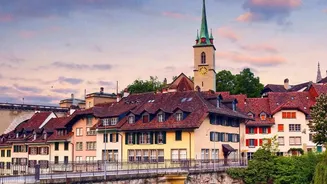
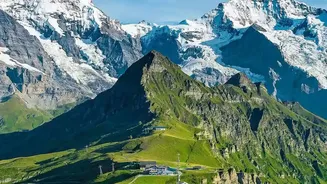
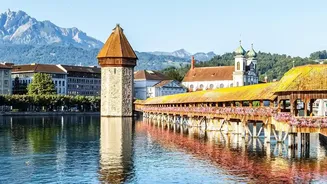
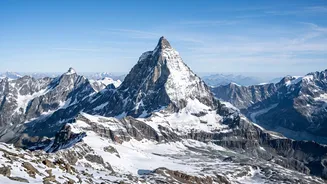
While countless spots in Switzerland are worth visiting, a handful consistently attract the largest crowds, especially during peak seasons like July and August. Destinations such as Zermatt, with its iconic Matterhorn views, the picturesque lakeside city
of Lucerne, the villages of the Jungfrau Region like Lauterbrunnen and Grindelwald, and cosmopolitan Geneva often experience high visitor density. These places are popular for good reason, but their fame can lead to queues and congested viewpoints. The fifth, and our focus, is Interlaken, the essential hub that serves as the starting point for many adventures into the Bernese Oberland. Understanding its flow is key to a successful visit.
Interlaken: The Adventure Capital's Crossroads
Interlaken’s primary role is as a launchpad. Nestled between Lake Thun and Lake Brienz, it is the main transport gateway to the mountains of the Jungfrau Region. This strategic location means nearly everyone heading to the high peaks of Eiger, Mönch, and Jungfrau passes through its transit system. It is less a destination in itself and more of a highly practical base filled with hotels, shops, and restaurants catering to travellers. This constant flow of people arriving, departing, and stocking up on supplies is what gives its streets and stations their characteristic energy and congestion.
Decoding the Transit Hubs: Ost vs. West
One of the most common points of confusion for visitors is the two train stations: Interlaken Ost (East) and Interlaken West. The difference is simple: your destination dictates your station. Interlaken Ost is the main hub for mountain excursions. Trains to Lauterbrunnen, Grindelwald, and onward to Jungfraujoch all depart from here. It's also where you'll find boats for Lake Brienz and the funicular to Harder Kulm. Interlaken West is closer to the main town centre, many hotels, and the boat landing for Lake Thun. While many long-distance trains stop at West first, they terminate at Ost, so for most mountain adventures, Ost is your station.
Navigating The Town Itself
The main thoroughfare connecting the two stations is Höheweg, a long boulevard lined with hotels, shops, and the central Höhematte Park. The town is small enough to be easily walkable; the journey between Ost and West stations is a pleasant 20-minute stroll. For those staying in Interlaken, hotels provide a Guest Card that offers free travel on local buses, which is a great way to hop between the stations or reach other parts of town if you’re tired of walking. Don't overlook the side streets off Höheweg, where you can often find quieter cafes and a more local atmosphere away from the main tourist flow. The key is to think of the town as a base for excursions rather than a place to spend all your time.
Strategies for a Smoother Trip
Beating the crowds in Interlaken and the surrounding region requires planning. The single most effective strategy is to start early. By taking the first train or cable car of the day, you can enjoy popular spots like Grindelwald-First or Jungfraujoch before the mid-morning rush. Buying tickets and passes like the Swiss Travel Pass or Jungfrau Travel Pass in advance can save you from waiting in ticket queues. Consider visiting during the shoulder seasons—late May, June, or September—for pleasant weather with fewer people. Finally, when boarding the regional train at Interlaken Ost, pay close attention to the signs. The train often splits, with one section going to Lauterbrunnen and the other to Grindelwald; being in the correct carriage is crucial.