




The Monsoon Travel Dilemma
For much of North India, the monsoon season from June to September brings life-giving rains. In the Himalayas, however, it can also bring significant travel risks. Popular hill stations in states like Uttarakhand and lower Himachal Pradesh often face
torrential downpours that trigger landslides, flash floods, and road closures. News of stranded tourists and washed-out roads has become a recurring theme, making many travellers hesitant to plan trips during these months. This uncertainty is a major deterrent for young people on tight schedules and budgets, who can't afford to be stuck for days on end. The dream of a mountain getaway clashes with the practical fear of a journey derailed by nature's fury.
The Rain Shadow Advantage
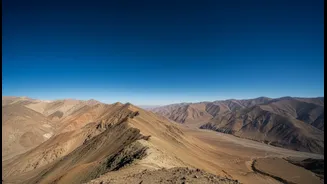
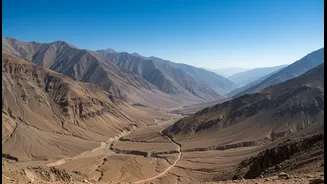
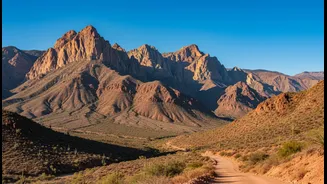
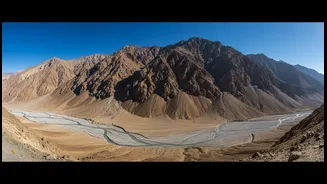
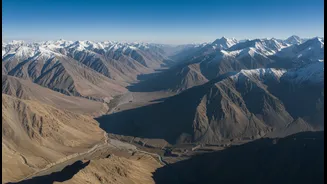
This is precisely why Spiti and Ladakh have become go-to destinations during the summer and monsoon. The headline's claim of 'landslide-free' routes is a simplification, but it points to a crucial geographic truth. Both regions are high-altitude cold deserts that lie in a 'rain shadow'. The towering Pir Panjal and Great Himalayan ranges act as a barrier, blocking most of the moisture-laden monsoon clouds. While the rest of the country is drenched, Spiti and Ladakh enjoy relatively dry, sunny weather, making it their peak tourist season. This doesn't mean the approach roads are entirely without risk—stretches like the Manali-Leh highway can still face closures—but the destinations themselves offer a reliable window for travel when other Himalayan regions are at their most volatile.
A Journey, Not Just a Destination
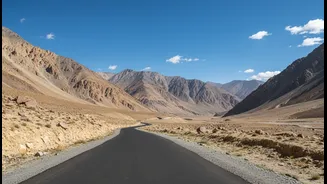
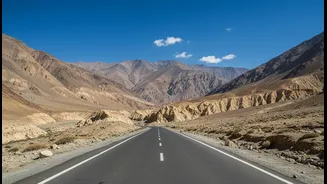
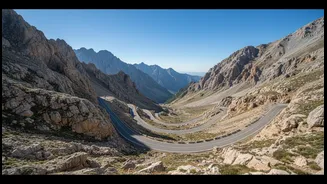
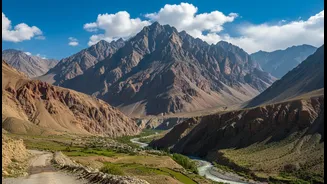
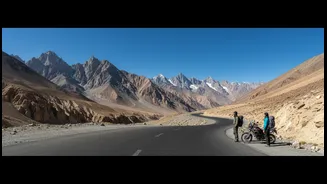
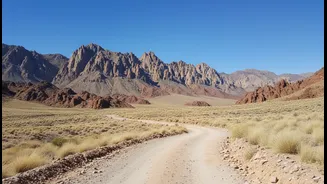
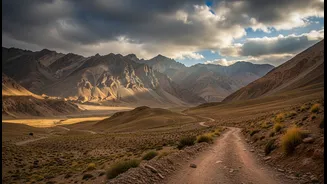
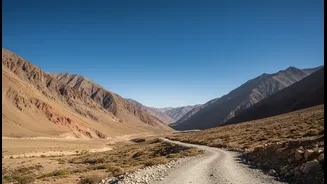
For the youth market, the appeal of Spiti and Ladakh is deeply intertwined with the journey itself. These are not places you simply arrive at; you conquer the roads to get there. The iconic Manali-Leh highway, the equally stunning Srinagar-Leh route, and the rugged circuit into Spiti Valley are legendary road trips. They offer a sense of profound achievement and adventure that resonates with a generation seeking experiences over passive holidays. The raw, unfiltered thrill of navigating high mountain passes, crossing streams, and witnessing the landscape transform from green valleys to barren, lunar-like terrain is a story in itself—one that is shared and celebrated across social media.
Adventure, Culture, and Instagram Feeds
Beyond the reliable weather, these regions offer a potent mix of adventure, culture, and aesthetics that is perfectly tuned to the young traveller. The landscape itself is a playground for trekking, camping, and motorbiking. But it's the unique cultural fabric that adds depth to the experience. The deep-rooted Tibetan Buddhist culture is visible everywhere, from ancient monasteries perched precariously on cliffs to the ubiquitous prayer flags fluttering in the wind. This stark, spiritual, and visually stunning environment provides an endless supply of breathtaking photo opportunities, from the surreal blue of Pangong Tso to the Milky Way in the clear night skies. In an age driven by visual storytelling, Spiti and Ladakh provide the ultimate backdrop.
Authenticity on a Budget
While Ladakh has grown into a more established tourist hub with varied infrastructure, Spiti, in particular, has retained a reputation for being more offbeat and budget-friendly. The culture of homestays in Spiti allows travellers to experience authentic local life at a fraction of the cost of hotels. This affordability is a key factor for students and young professionals. It makes a longer, more immersive trip financially viable. This focus on homestays and guesthouses also fosters a sense of connection and community, which is a powerful draw for a generation that values authenticity and meaningful interactions. It's a travel style that feels less transactional and more transformational, offering a genuine escape from the commercialised feel of more mainstream destinations.