



Why Humidity Is a Hidden Danger
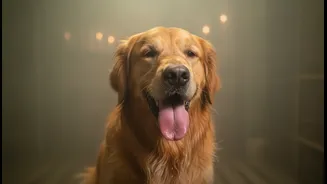
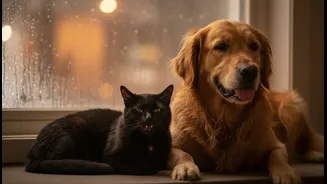
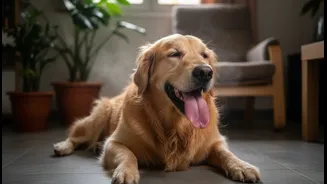
We often focus on the temperature, but humidity is a critical part of the equation for pet safety. Dogs and cats don't sweat like humans to cool off; their primary method is panting. Panting works by evaporating moisture from their lungs and tongue. When
the air is already saturated with moisture—as it is in a humid home—this evaporation process becomes inefficient. Their natural cooling system can't keep up, causing their body temperature to rise to dangerous levels, even when the indoor temperature doesn't seem extreme. This puts them at a much higher risk for heat exhaustion and heatstroke.
Recognizing the Signs of Overheating
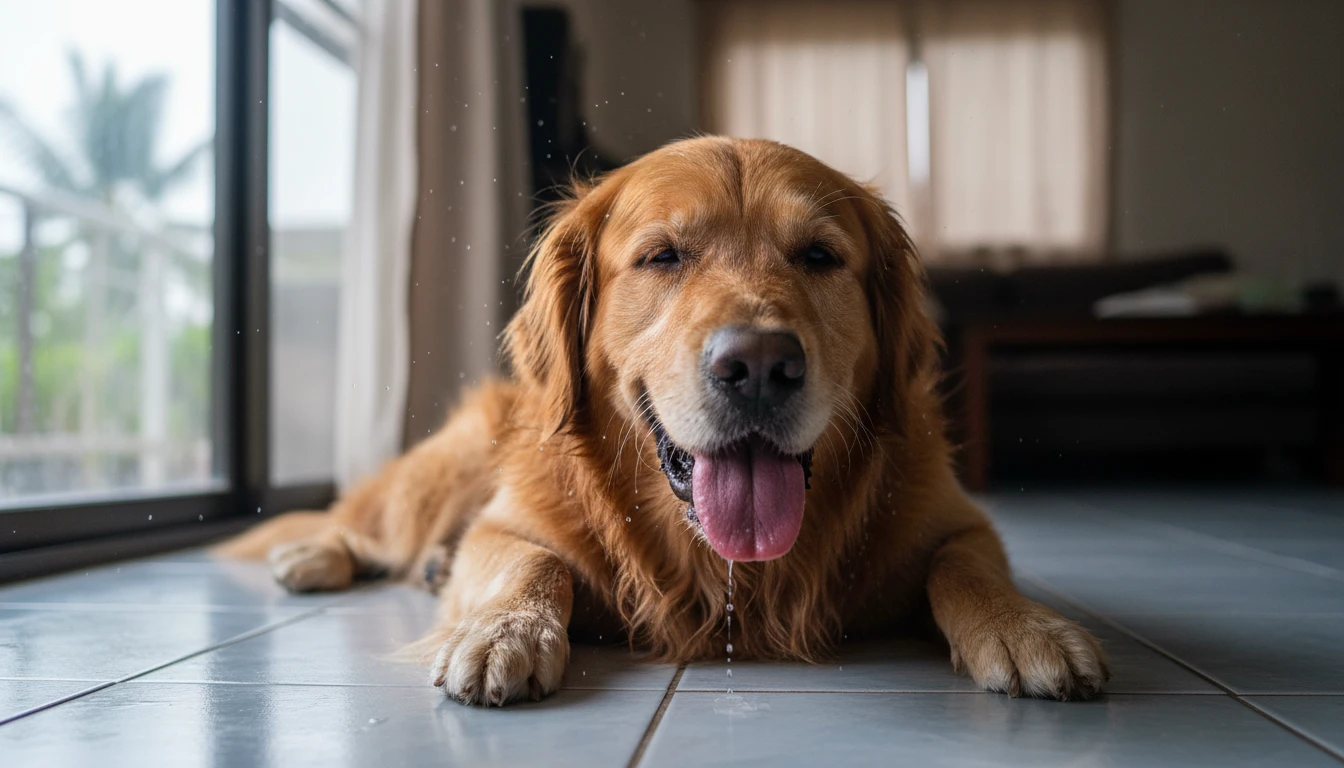
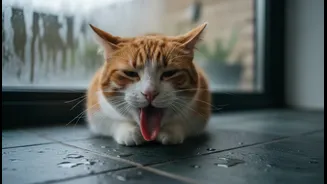
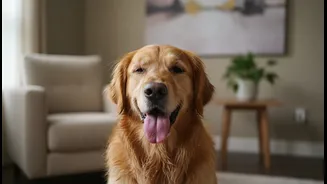
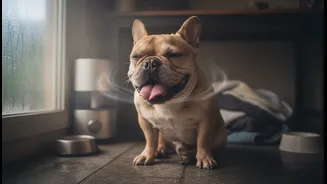
Knowing the early signs of heat stress can save your pet's life. Initially, you might notice excessive panting, heavy drooling, and restlessness. Your pet may seem lethargic or weak and desperately seek out cool surfaces like tile floors. As the situation worsens, you might see more severe signs like bright red or even pale gums, vomiting, diarrhea, dizziness, or stumbling. In cats, open-mouthed breathing is a significant red flag, as they do not typically pant unless they are under extreme stress or dangerously hot. Any of these signs warrant immediate action.
Benefits of a Well-Managed Climate
While overheating has no benefits, proactively managing your home's humidity and temperature offers immense rewards for your pet's health and comfort. Maintaining an ideal indoor humidity level, generally between 40% and 60%, helps support your pet's respiratory health and prevents skin issues. Too much humidity can foster the growth of mold and mildew, which can trigger allergies and skin infections. A properly regulated environment not only prevents dangerous overheating but also creates a more comfortable, less stressful living space, keeping your companion happy and healthy year-round.
Practical Steps: Cooling Your Home
You don't need central air conditioning to make a difference. Using dehumidifiers is one of the most effective ways to remove excess moisture from the air. Running fans, even without AC, helps circulate air and aids in evaporative cooling from your pet's body. During the hottest parts of the day, keep blinds and curtains closed to block solar heat. Ensure your home is well-ventilated by opening windows in the cooler morning and evening hours. Some houseplants, like Boston ferns and peace lilies, can also act as natural dehumidifiers.
Practical Steps: Keeping Your Pet Cool
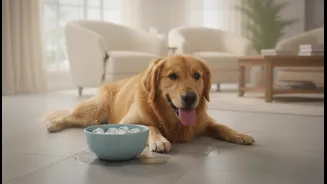
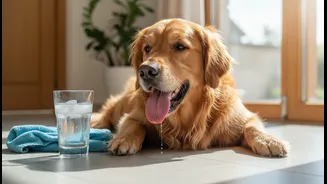
Provide direct comfort for your pet. Always ensure they have access to multiple sources of fresh, cool water. Cooling mats provide a chilled surface for them to lie on, and you can create a DIY version by wrapping a frozen water bottle in a towel. Consider giving them frozen treats, like ice cubes or a frozen kong. Grooming is also important; regularly brushing your pet, especially long-haired breeds, helps improve air circulation near their skin. However, avoid shaving double-coated breeds, as their fur provides insulation from both heat and cold.
Emergency Plan: Suspected Heatstroke
If you suspect your pet is suffering from heatstroke, it is a medical emergency that requires immediate action. Move them to a cooler, shaded area immediately. Begin cooling them down by wetting their body with cool—not ice-cold—water, focusing on their paws, belly, and neck. Using ice-cold water can be counterproductive, as it can constrict blood vessels and trap heat. Pointing a fan at them while they are wet will speed up the cooling process. While you are doing this, call your veterinarian or an emergency animal hospital right away. Even if your pet seems to recover, they should be professionally examined to check for internal damage.