





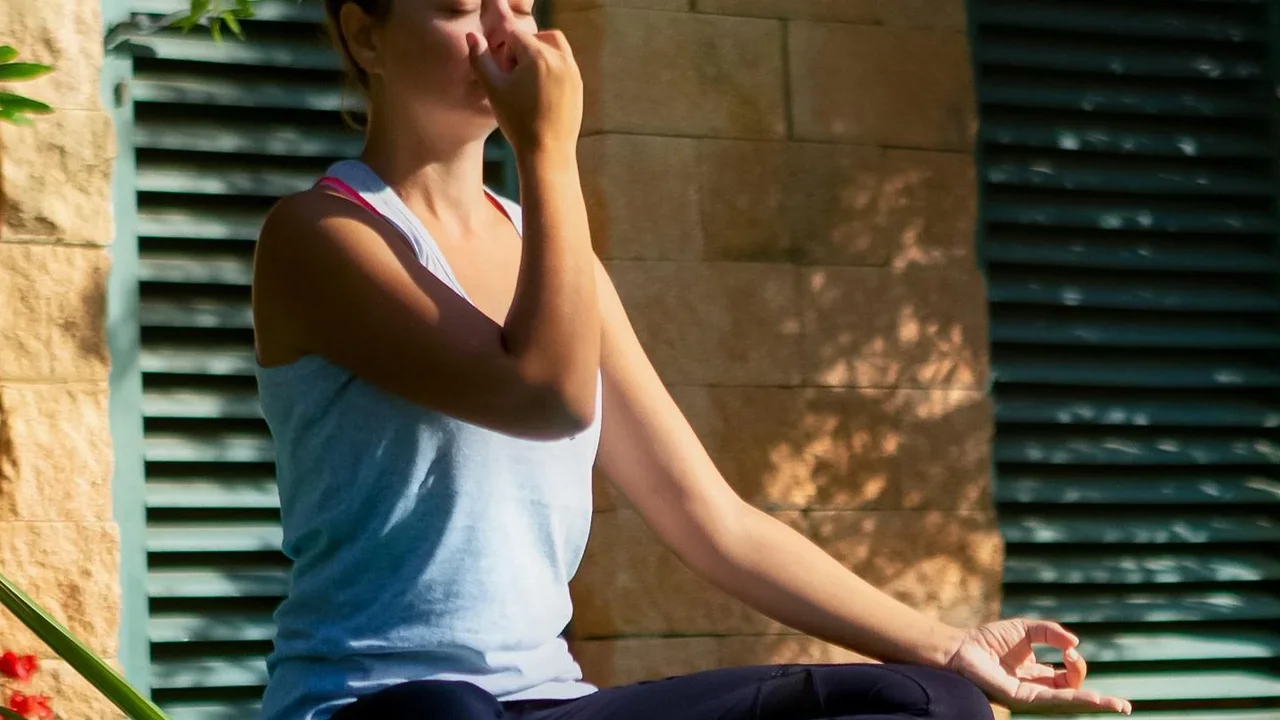

What Exactly Is Breath Awareness?
Breath awareness is the simple practice of paying attention to your natural breathing. It's not about forcing deep breaths or following complex patterns; it’s about observing without judgment. For centuries, cultures around the world have used this practice to quiet
the mind. The goal is simply to notice the sensation of the air flowing in and out of your body. By doing this, you gently interrupt the automatic stress loop that many of us get stuck in, especially when facing a stressful email or scrolling through social media. It’s a way of checking in with yourself and telling your brain it’s okay to relax.
The Science-Backed Benefits of a Simple Habit
Taking a few minutes to focus on your breath isn't just a nice idea; it's backed by science. Conscious breathing can activate your body's relaxation response, often called the parasympathetic nervous system. This process can help lower your heart rate, reduce blood pressure, and decrease levels of the stress hormone cortisol. Research shows that a consistent practice can lead to immediate and long-term benefits, including reduced anxiety, improved mood, better focus, and even enhanced sleep quality. It's a powerful tool for managing discomfort and building mental resilience.
Your First Practice: A 3-Minute Guide
You don't need a special cushion, yoga mat, or even a quiet room to start. The beauty of this practice is its accessibility. Here’s a simple way to begin right now. First, find a comfortable position. You can be sitting in your office chair, lying on your bed, or even standing. Just make sure your body feels supported. Close your eyes if that feels comfortable, or soften your gaze toward the floor. Next, bring your attention to your natural breath. Don’t try to change it. Just notice. Is it fast or slow? Deep or shallow? Feel where the breath is most prominent in your body—perhaps the rise and fall of your belly or chest, or the cool air at the tip of your nose. Your only job is to follow the flow of one full inhale and one full exhale. Continue this for just a few minutes.
‘Am I Doing This Right?’ and Other Common Questions
It is completely normal for your mind to wander; that is what minds do. When you notice your thoughts have drifted, gently and without judgment, guide your attention back to your breath. This act of returning your focus is the core of the practice. Another common pitfall for beginners is trying too hard. Many people think they need to take huge, forceful breaths, which can lead to dizziness or agitation. The key is to let your body breathe naturally. If counting feels helpful, you can try a simple 'box breathing' technique: inhale for four seconds, hold for four, exhale for four, and hold for four. But if that feels too structured, just focus on making your exhale slightly longer than your inhale.
How to Build a Lasting Habit
The benefits of breath awareness grow with consistency, not intensity. Trying to meditate for 20 minutes on your first day is a common mistake that often leads to discouragement. Instead, start small. Aim for just three to five minutes a day. The best way to make the habit stick is to link it to an existing part of your routine. For example, practice breath awareness for a few minutes right after you wake up, before you drink your morning coffee, or as soon as you finish your workday. The goal isn't to achieve a perfect, thought-free state. It's to build a reliable tool you can use to find a moment of peace whenever you need it.