


The Fresh Pineapple Difference
When building a parfait, texture and taste are paramount. While canned pineapple offers convenience, it can't replicate the sensory experience of fresh fruit. The canning process involves heat, which softens the pineapple's crisp, fibrous structure into
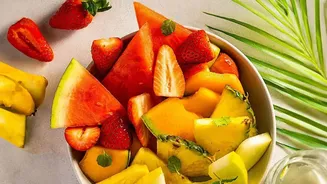
a much softer, sometimes mushy consistency. Flavor-wise, fresh pineapple boasts a complex profile with bright, tangy notes that cut through the richness of avocado. Canned versions are often milder and uniformly sweet, sometimes due to being packed in syrup, and they lack the vibrant, authentic tropical zing that makes the parfait pop.
A Key Enzyme: The Power of Bromelain
Beyond taste and texture, fresh pineapple contains a unique group of enzymes called bromelain. This compound is celebrated for its ability to break down proteins, which is why raw pineapple can make your mouth tingle and is used as a meat tenderizer. While research on its digestive benefits in the amounts found in fruit is ongoing, bromelain is a defining characteristic of fresh pineapple. Crucially, bromelain is heat-sensitive and almost completely destroyed during the canning process. So, if you're seeking the full profile of what the fruit has to offer, fresh is the only way to go.
A Perfect Pairing: Why Pineapple and Avocado Work
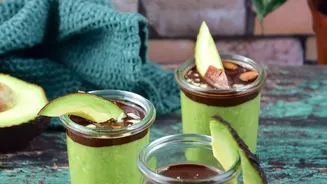
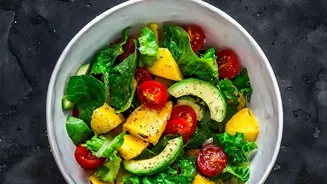
The combination of pineapple and avocado is a culinary classic for a reason. Avocados provide a creamy, velvety base rich in healthy fats, which contributes to a feeling of fullness. However, this richness needs a counterpoint. The bright acidity and natural sweetness of fresh pineapple slice through the creaminess, creating a balanced and dynamic flavor profile. This pairing not only delights the palate but also offers a range of nutrients. Avocados are packed with B-vitamins, vitamin E, and potassium, while pineapples are an excellent source of vitamin C and manganese.
How to Pick the Perfect Pineapple
Choosing a ripe pineapple can seem daunting, but a few simple cues can guide you. First, trust your nose; a ripe pineapple should have a sweet, tropical scent at its base. If it smells fermented or has no scent, it's likely overripe or underripe. Next, check the appearance. While color can be deceiving—some varieties are ripe even when green—look for a golden-yellow hue developing from the base upwards. The leaves, or crown, should be green and fresh-looking. A common trick is to gently tug on an inner leaf; if it pulls out easily, the pineapple is likely ready to eat. Finally, the fruit should feel heavy for its size and have a firm shell with a slight give when squeezed gently.
From Crown to Core: A Simple Guide to Cutting
Once you have your perfect pineapple, the cutting process is straightforward. Start by laying the pineapple on its side on a cutting board and slicing off the top crown and the bottom base with a sharp chef's knife. Stand the pineapple on its flat base and carefully slice away the spiky skin in strips, following the curve of the fruit from top to bottom. You'll notice small brown 'eyes' left in the flesh. These can be removed by making shallow, diagonal cuts in a spiral pattern or individually with a paring knife. Once peeled, cut the pineapple in half lengthwise, and then into quarters. The tough, fibrous core at the center of each quarter can then be easily sliced away. From there, you can chop the juicy flesh into the perfect-sized pieces for your parfait.