
Secure Comprehensive High-Altitude Insurance
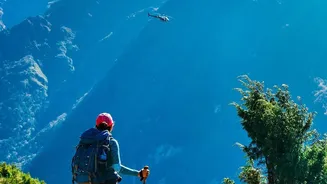
Standard travel insurance policies are often inadequate for Himalayan trekking. Before your trip, you must secure a specialised policy that explicitly covers high-altitude trekking. Your insurance must include emergency helicopter evacuation, which can
cost anywhere from ₹1.5 lakh to ₹4 lakh in regions like Uttarakhand and Himachal Pradesh. Check that your policy covers altitudes matching or exceeding your trek's highest point, as many standard plans have low altitude limits. Also, ensure it includes medical expenses for common high-altitude ailments like Acute Mountain Sickness (AMS), HAPE, and HACE. Keep digital and physical copies of your insurance certificate readily accessible.
Master Your Acclimatisation Plan
Altitude sickness is a serious risk that can affect anyone, regardless of age or fitness level. The golden rule is to ascend gradually to allow your body to adjust to lower oxygen levels. Above 3,000 metres (approx. 9,850 feet), avoid increasing your sleeping elevation by more than 300-500 metres per day. Incorporate rest days every three to four days of climbing. A popular and effective strategy is to 'climb high, sleep low', where you trek to a higher altitude during the day but return to a lower elevation to sleep. Stay well-hydrated by drinking at least 4-5 litres of water daily and avoid alcohol, which can interfere with acclimatisation.
Establish a Reliable Communication Plan
Mobile networks are unreliable or non-existent in most high-altitude trekking areas. While satellite phones or two-way satellite messengers like Garmin inReach seem like a solution, they are strictly regulated in India and illegal for foreign nationals and most Indian citizens to carry without a specific permit, which is rarely granted to tourists. Possession can lead to arrest and hefty fines. Instead, your emergency communication plan should revolve around your trekking team. Always hire a registered guide or go with a reputable trekking agency. These organisations are equipped with licensed radio sets or have established communication protocols with local rescue teams. Share your detailed itinerary with family or friends back home before you leave.
Know the Symptoms of Altitude Sickness
Recognising the early signs of Acute Mountain Sickness (AMS) is crucial. Initial symptoms often include headache, nausea, dizziness, fatigue, and loss of appetite. It is vital to be honest about your symptoms and inform your trek leader immediately. Do not attempt to ascend further if you are experiencing AMS symptoms. In most mild cases, resting at the same altitude for a day or two will resolve the symptoms. If symptoms worsen, the only effective treatment is to descend to a lower altitude immediately. Severe forms of altitude sickness, like High Altitude Cerebral Edema (HACE) and High Altitude Pulmonary Edema (HAPE), are life-threatening and require urgent evacuation.
Obtain All Necessary Permits and Permissions
Many trekking routes in the Himalayas pass through national parks, wildlife sanctuaries, or areas near international borders, all of which require permits. Indian nationals may need forest entry permits and have to register at local checkposts, while foreign nationals might require additional permits like a Protected Area Permit (PAP) for certain sensitive zones. These permits are not just bureaucracy; they are a crucial safety measure that helps authorities track trekkers in case of an emergency. Reputable trekking agencies typically handle all permit arrangements for their clients, but it's wise to confirm this beforehand.
Prepare for Post-Monsoon Volatility
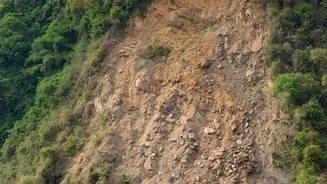
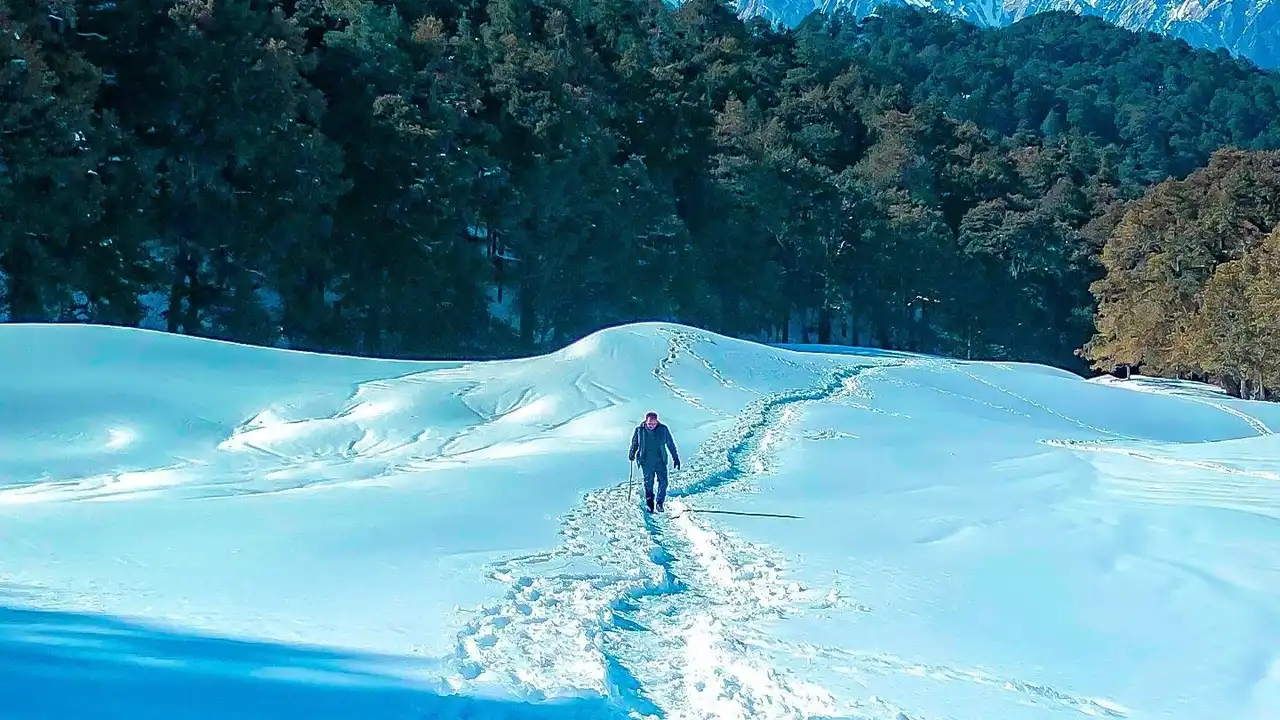
The post-monsoon period offers clear views but can also bring unpredictable weather. Trails can be slippery or damaged from recent rains, and the risk of landslides remains elevated, especially in early autumn. Sudden snowfalls or storms can occur, so your packing list must include layers of warm clothing and a fully waterproof and windproof outer shell. Always build buffer days into your itinerary to account for potential delays caused by bad weather, which can also affect flights to remote airstrips. Flexibility is key; be prepared to turn back if your guide deems the conditions unsafe.