


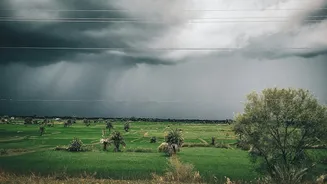
Planning a weekend trip to a southern destination? You might want to check the weather forecast first. The India Meteorological Department (IMD) has predicted the onset of the northeast monsoon, bringing heavy to very heavy rainfall across the region.
The Official Forecast
The India Meteorological Department (IMD) has announced that conditions are favourable for the onset of the northeast monsoon over the southern peninsula starting around October 15. This shift in weather patterns is expected to bring a prolonged wet spell lasting for several days, with heavy to very heavy rainfall predicted for states including Kerala, Tamil Nadu, and parts of Karnataka and Andhra Pradesh. This weather event marks the withdrawal of the southwest monsoon and the arrival of the crucial northeast monsoon, which provides significant rainfall to the southern states. According to the forecast, this wet spell could continue until at least October 20, bringing thunderstorms, lightning, and strong gusty winds in isolated areas.
High-Risk Zones to Reconsider
Travellers planning trips to popular hill stations and coastal areas should exercise extreme caution. The IMD has issued specific alerts for several districts. In Kerala, an orange alert, indicating very heavy rainfall, has been issued for districts like Pathanamthitta, Kottayam, Ernakulam, and Idukki for October 15, with widespread rain expected to continue. Similarly, heavy rainfall is expected in Tamil Nadu, particularly in the Nilgiris, Coimbatore, and other districts along the Western Ghats and coastal plains. Hill stations such as Munnar, Wayanad, and Coorg are particularly vulnerable to landslides and flash floods during intense rainfall. Past monsoon seasons have seen these areas face road blockages and other hazards due to their terrain. Travellers should reconsider plans to visit these high-altitude destinations until the weather stabilises.
Understanding the Risks for Travellers
The dangers extend beyond just getting caught in a downpour. Heavy rainfall in hilly and coastal regions poses several significant risks. Landslides are a major concern in the Western Ghats, with studies showing that regions in Kerala and Karnataka are becoming more susceptible. Intense, short-duration rain can saturate the soil, leading to slope failures that can block crucial highways and isolate communities. Flash floods can submerge low-lying areas and damage infrastructure, while strong winds reaching 40-50 kmph can topple trees and disrupt power lines. Travellers may face significant disruptions, including road closures, train delays, and potential flight cancellations at airports like Kochi, Chennai, and Bengaluru, which remain operational but are weather-sensitive. It is critical to avoid unnecessary travel to areas under red or orange alerts.
Safer Alternatives for Your Weekend Getaway
If the heavy rain has put a damper on your plans for a hill station escape, there are safer alternatives to consider. Exploring city-based attractions can be a great option. Cities like Chennai, Kochi, or Bengaluru offer a wealth of indoor activities, from museums and art galleries to culinary trails and shopping arcades, that are not dependent on clear weather. You could also consider a 'staycation' at a local resort, enjoying a relaxing weekend without the risks of long-distance travel on weather-affected routes. Another option is to visit destinations in drier regions that are not under a heavy rainfall alert. Always check the specific forecast for any alternative destination before finalising your plans.
A Pre-Travel Safety Checklist
For those who must travel, or whose destinations are only marginally affected, preparation is key. First and foremost, monitor official sources like the IMD and state disaster management authority websites for the latest forecasts and advisories. Inform your family or friends of your detailed itinerary and maintain regular contact. Ensure your mobile phones and power banks are fully charged. Pack an emergency kit containing essentials like a first-aid kit, torch, dry food, and water. When driving, be extra cautious on wet roads, avoid waterlogged areas, and never attempt to cross flooded causeways. If you are in a hilly area, be aware of your surroundings and be prepared to move to a safer location if local authorities issue an evacuation warning.