


The Symphony of Water
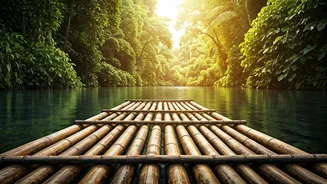
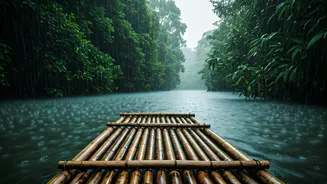
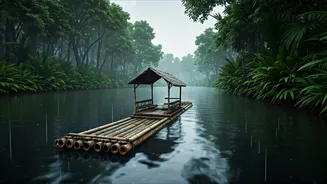
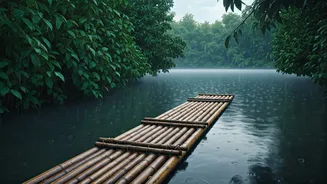
Forget the roar of traffic muffled by the downpour. On a bamboo raft, the world’s soundtrack changes. The dominant sound is the gentle, rhythmic splash of the guide’s long pole pushing against the riverbed. It’s a steady heartbeat. Then comes the rain
itself—not a uniform drumming on a tin roof, but a complex percussion. You hear the sharp taps on the bamboo beneath you, the soft hiss as droplets meet the wide leaves of overhanging trees, and the million tiny plinks that dimple the river’s surface around you. In the quiet moments between showers, the forest comes alive with the buzz of insects and the calls of birds that have been waiting for a break in the weather. It’s an orchestra of nature, and you’re floating right in the middle of it.
Life in Slow Motion
Modern travel is often about covering distances, ticking off sights, and capturing the perfect shot before rushing to the next spot. A bamboo raft is the antidote to this frenzy. There is no engine, no hurry, no destination other than the gentle drift itself. The world unspools at a walking pace, allowing your senses to catch up. You start to notice things you’d otherwise miss from a speeding car: a kingfisher perched on a branch, its iridescent feathers a flash of blue against the grey sky; a family of otters slipping into the water; the intricate patterns of moss clinging to ancient trees along the riverbank. This slowness is not boredom; it's a form of mindfulness. It forces you to be present, to simply watch, listen, and breathe in the petrichor—the glorious, earthy scent of rain on dry soil.
A Canvas of Green and Grey
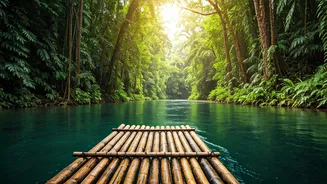
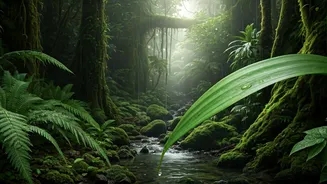
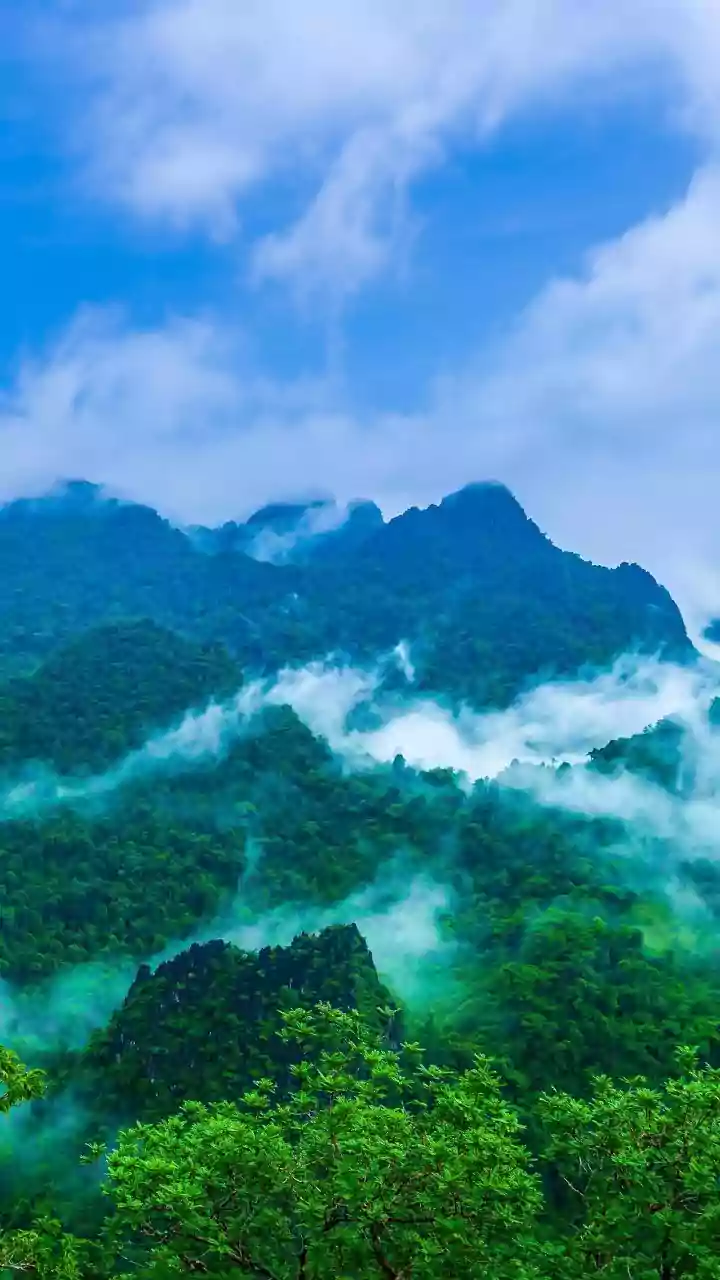
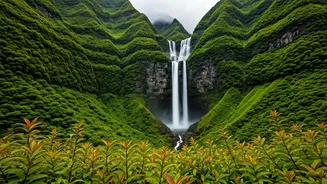
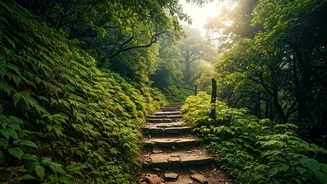
The monsoon doesn’t just wash the world clean; it repaints it in a palette of deep, saturated colours. From a raft, you are at eye level with this transformation. The landscape, particularly in places like the backwaters of Kerala or the rivers winding through Coorg and Wayanad, becomes a study in green. A hundred shades, from the bright lime of new shoots to the dark emerald of mature foliage, are all slick with rain and impossibly lush. Above, the sky is a dramatic canvas of shifting greys, with low-hanging clouds and mist weaving through the treetops and shrouding distant hills in mystery. The water below mirrors this moody sky, creating a feeling of being enveloped entirely by the season. It’s a profoundly beautiful and calming experience, far more intimate than viewing the same landscape from a hilltop viewpoint.
More Than Just a Ride
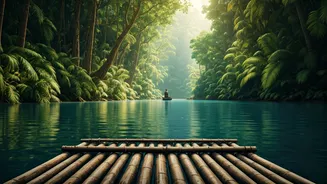
While the experience is visually and aurally stunning, its real power lies in its simplicity. A bamboo raft is one of humanity's oldest forms of transport. It is elemental—just wood, rope, and water. Being on one connects you to something ancient and fundamental. There are no digital distractions, no complex machinery, just the quiet labour of the punter and the steady flow of the river. This creates a rare space for reflection. It’s a chance to disconnect from the constant hum of notifications and reconnect with the rhythm of the natural world. Stripped of modern comforts and complexities, the experience becomes meditative. It’s just you, the raft, and the rain, and in that simplicity, there is a deep sense of peace.
Finding Your Float
This unique monsoon experience is accessible in several of India’s greenest pockets. The Periyar Tiger Reserve in Thekkady, Kerala, offers famous bamboo rafting programmes that combine gentle floating with wildlife spotting. The rivers and backwaters around Wayanad and Coorg are also popular spots, with many local operators and resorts offering guided trips. In Karnataka, the Kali river near Dandeli provides another beautiful setting. However, it's crucial to remember that the monsoon is a powerful force. Rafting activities are often suspended during periods of very heavy rainfall for safety reasons. Always check with official tourism boards or trusted local operators about the current conditions and operational status before planning your trip. Safety must always come first.