

Choose a Compact Variety
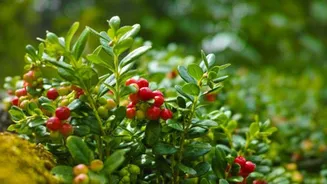
While over 100 varieties of cranberry exist, not all are suited for containers. Look for compact or less aggressive cultivars. Varieties like 'Stevens' are known to be productive, while 'Pilgrim' is praised by home growers for producing lots of fruit-bearing
upright stems in pots. Ornamental types like 'Hamilton' stay small, forming a mini-shrub perfect for indoor spaces. Starting with a 2- or 3-year-old plant will get you to a harvest faster than starting from cuttings.
The Right Pot and Soil Mix
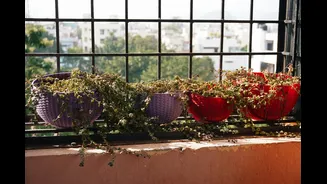
Cranberries are bog plants that demand acidic soil. Their shallow roots spread horizontally, so a wide container is more important than a deep one. Choose a pot at least 12-15 inches in diameter with excellent drainage holes. You cannot use standard garden soil. Create a bog-in-a-pot by mixing equal parts peat moss and coarse sand, or use a pre-made potting mix for acid-loving plants like azaleas. The target soil pH is crucial: aim for a highly acidic level between 4.0 and 5.5 for healthy growth and fruit production.
Light and Water Are Key
Cranberries need full sun to thrive and produce fruit, which means at least six hours of direct sunlight daily. A south-facing window is an ideal indoor location. If you lack sufficient natural light, consider supplementing with a grow light. These plants love moisture but hate being waterlogged, which can cause root rot. The goal is to keep the soil consistently moist, like a wrung-out sponge. Self-watering pots can be an excellent tool for maintaining steady moisture. Water regularly, but ensure the pot drains freely.
Fertilizing for Fruit, Not Just Foliage
Cranberries have low nutrient requirements. Over_fertilizing can lead to excessive vine growth at the expense of flowers and fruit. When you do fertilize, use a formula designed for acid_loving plants or one with low nitrogen. Apply a slow_release fertilizer sparingly in the spring as new growth appears. If you notice the leaves turning yellow, it could be a sign of iron deficiency, which can be corrected with an application of iron sulfate.
The Secret to Berries: Chilling and Pollination
To produce fruit, cranberry plants need a cold period to go dormant. This is called a chilling requirement, and it's non_negotiable for berry formation. The plant needs to experience about 650 to 1,500 hours of temperatures below 45°F (7°C). For an indoor plant, this means moving it to an unheated garage, shed, or even a cold cellar for the winter. After chilling, when the plant flowers in the spring, it will need to be pollinated. Since you don't have bees indoors, you'll have to do it yourself. Gently transfer pollen between flowers using a small, soft brush or a cotton swab.
Harvesting Your Indoor Crop
If you've successfully managed the soil acidity, water, light, and chilling period, you'll be rewarded with cranberries. The berries will start as small green nodes after pollination and will swell and ripen through late summer into autumn. You'll know they are ready to harvest in the fall when they have turned a deep, rich red. Simply pick the berries from their stems. They can be used fresh for sauces and baking or frozen for later use, giving you a homegrown taste of the holidays.