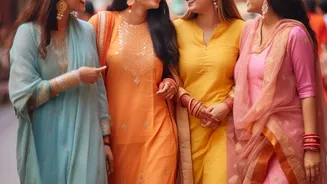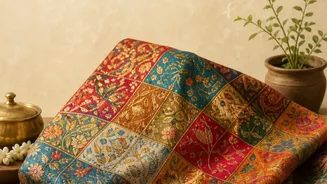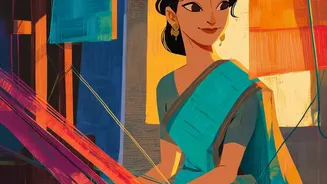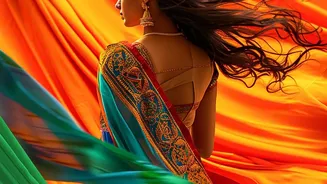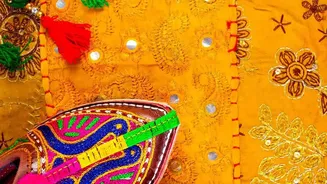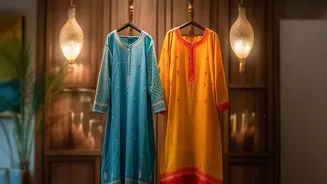

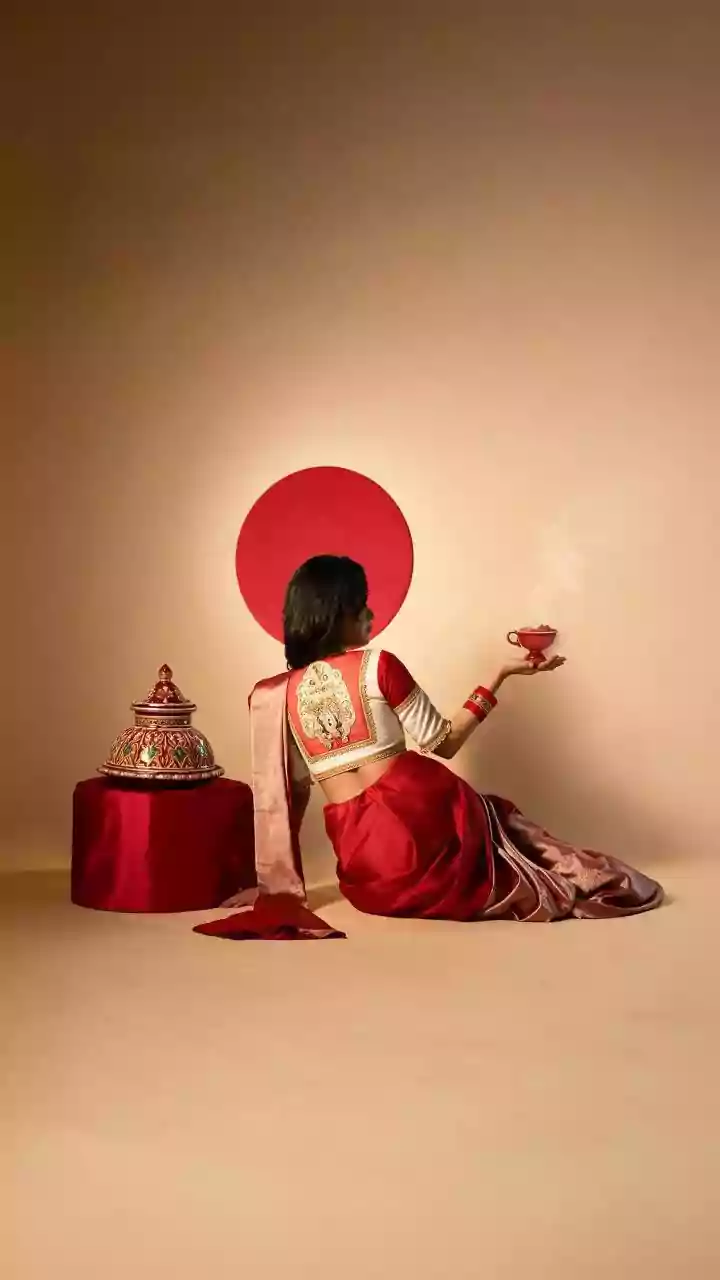
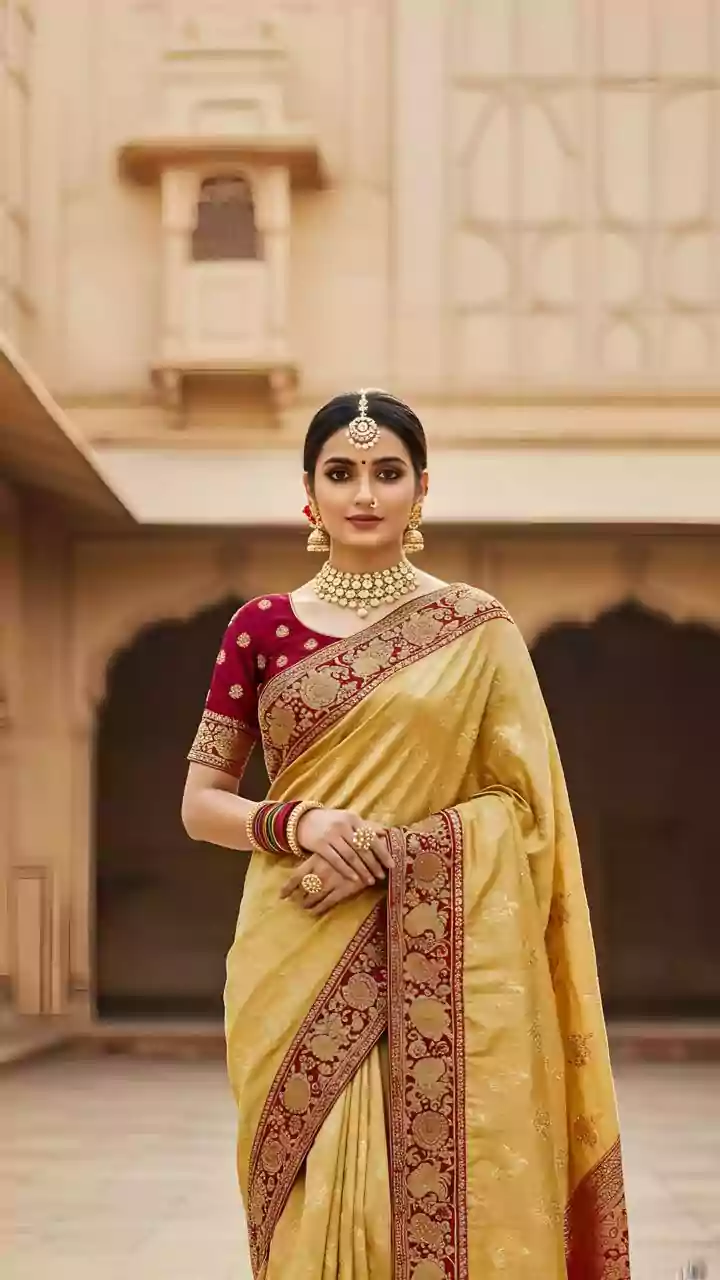
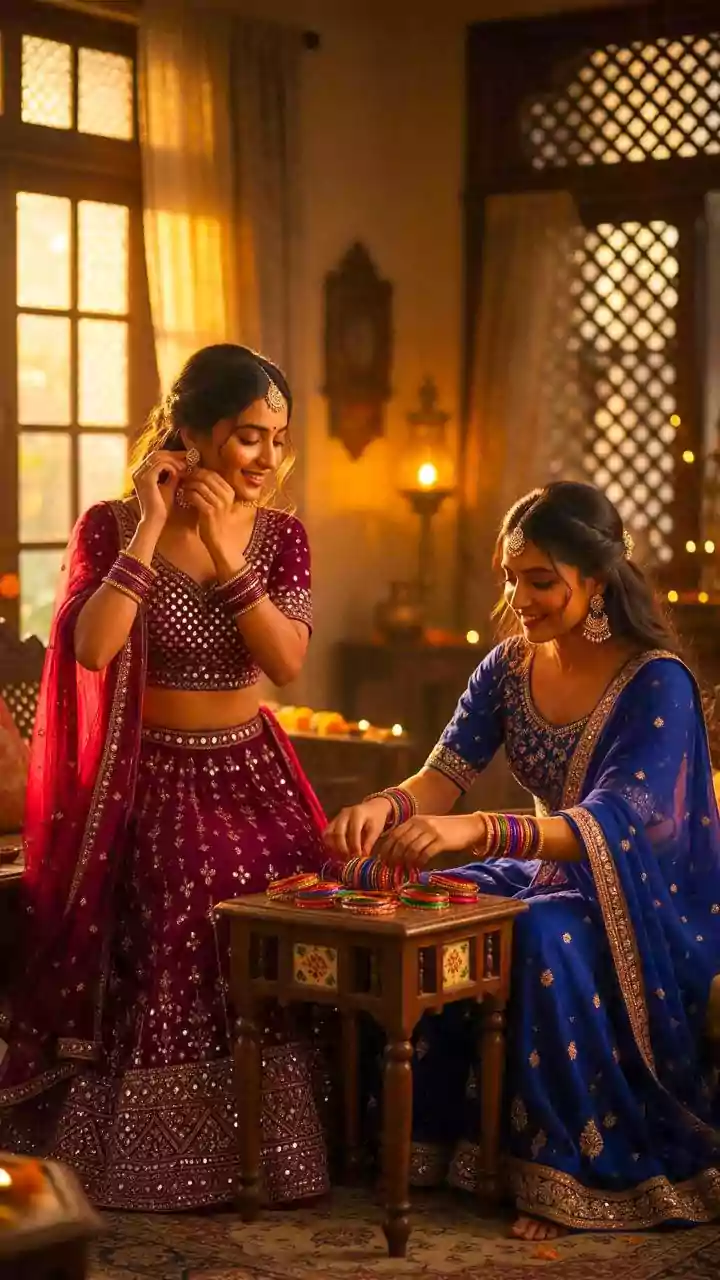
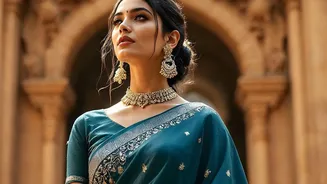
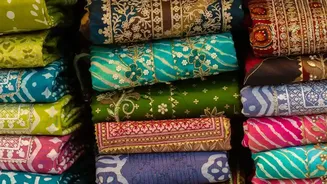
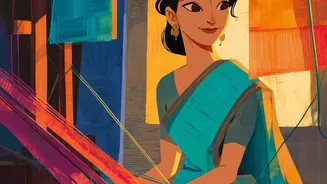
For years, handloom was seen as heritage—beautiful, but reserved for your mother’s wardrobe. Today, that’s changing. A wave of younger shoppers is giving regional textiles a contemporary spin, and exhibitions are their favourite hunting grounds.
More Than Just a Market
Walk into
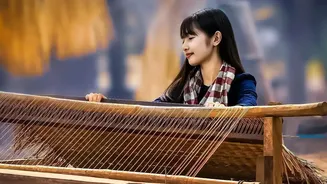
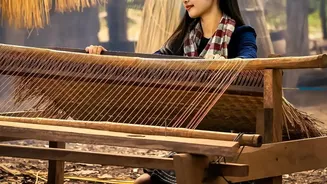
a handloom exhibition today, from a government-backed National Handloom Expo to a curated Dilli Haat or Indie Haat showcase, and you'll notice a different kind of energy. It’s not just about transactions; it’s an immersive experience. These events are now vibrant cultural hubs where younger consumers can directly interact with artisans, touch the fabrics, and hear the stories behind the weaves. Unlike the sterile environment of a mall or the endless scroll of online shopping, exhibitions offer a tactile and personal connection. Visitors can see live demonstrations, understand the intricate processes behind a Kanchipuram silk or a Sambalpuri Ikat, and appreciate the skill involved, making the purchase more meaningful.
The Search for Authenticity and Sustainability
A key driver of this trend is a conscious rejection of fast fashion. Younger generations are increasingly seeking products with a story, ethical origins, and a smaller environmental footprint. Handloom textiles fit this desire perfectly. They are typically made from natural fibres, use less electricity, and support rural artisan communities. This shift towards 'slow fashion' means consumers are willing to invest in pieces that are durable, unique, and carry a cultural legacy. Buying a handwoven garment is no longer just about aesthetics; it's a statement of values, supporting fair wages and preserving generational skills.
The Digital Thread Weaving Connections
While exhibitions are the physical touchpoint, social media is the digital amplifier. Platforms like Instagram have become crucial for discovery and storytelling. Weavers, artisan collectives, and handloom brands use visual media to showcase their processes, from dyeing yarns to the final intricate weaving on the loom. This digital narrative bridges the gap between rural makers and urban consumers, creating an authentic connection that drives both engagement and sales. When young shoppers see influencers styling a Banarasi saree with sneakers or an Ajrakh stole with a simple top, it demystifies the textile and makes it feel modern and accessible.
A Modern Wardrobe with Ancient Roots
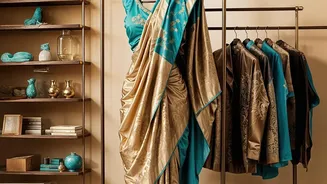
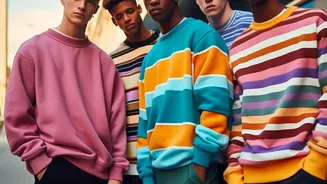
This new generation isn't just buying handloom; they're reinterpreting it. The perception of textiles like Chanderi or Jamdani being reserved for traditional occasions is fading. Instead, these fabrics are being incorporated into everyday contemporary wardrobes. Young shoppers and designers are turning handwoven materials into tailored trousers, jackets, and crop tops, blending heritage with modern silhouettes. This fusion is where the magic lies—wearing a piece of history, not as a costume, but as an authentic expression of personal style that feels both globally relevant and deeply Indian.