



Schedule Your Movement Breaks
The simplest trick is often the most effective: get up regularly. Many health professionals recommend breaking up long periods of sitting every 30 to 60 minutes. Set a recurring alarm on your phone or computer as a non-negotiable appointment with yourself.
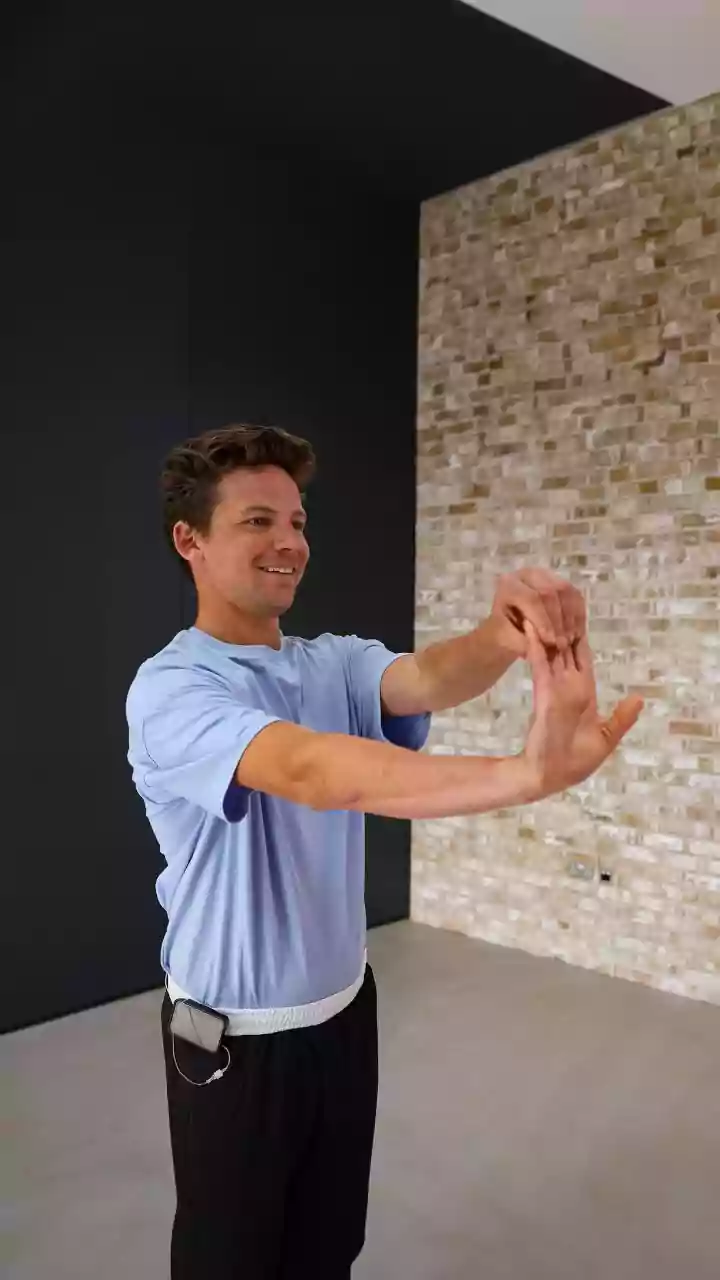
When it goes off, stand up. You don't need a complex routine; a two-minute walk to the water cooler, a lap around your floor, or simply stretching by your desk is enough to make a difference. This simple act gets your blood flowing, resets your posture, and gives your brain a micro-reset, which can improve focus and prevent mental fatigue. Think of it as a 'booster break' for both your body and your productivity.
Turn Calls and Meetings Active
Rethink how you take meetings. Not every discussion needs to happen in a conference room. For one-on-one catch-ups or brainstorming sessions, suggest a 'walking meeting'. The change of scenery and light physical activity can spark creativity and lead to more relaxed, productive conversations. Steve Jobs was famously a fan of this method for generating ideas. If you're on a phone call or a virtual meeting where you don't need to be on camera, stand up and pace around your office. Using a headset frees up your hands and makes this even easier. Integrating movement into existing work tasks is a seamless way to add steps without disrupting your workflow.
Try Discreet 'Deskercises'
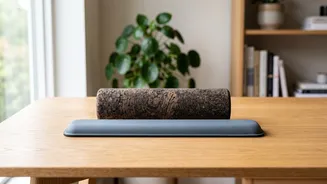
You can perform a surprising number of effective exercises right at your desk without drawing much attention. Seated leg lifts, where you extend one leg at a time and hold, engage your core and leg muscles. Simple neck tilts and shoulder shrugs can relieve tension in your upper body. For a bit more, try calf raises while waiting for a document to print or desk pushups against a sturdy desk. You can also keep a resistance band in a drawer for quick bicep curls or seated rows. These small movements, or 'deskercises', help prevent muscle stiffness and keep your energy levels up throughout the afternoon slump.
Strategically Arrange Your Workspace
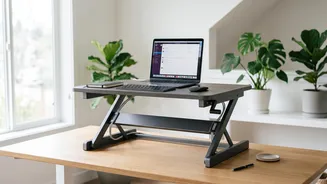
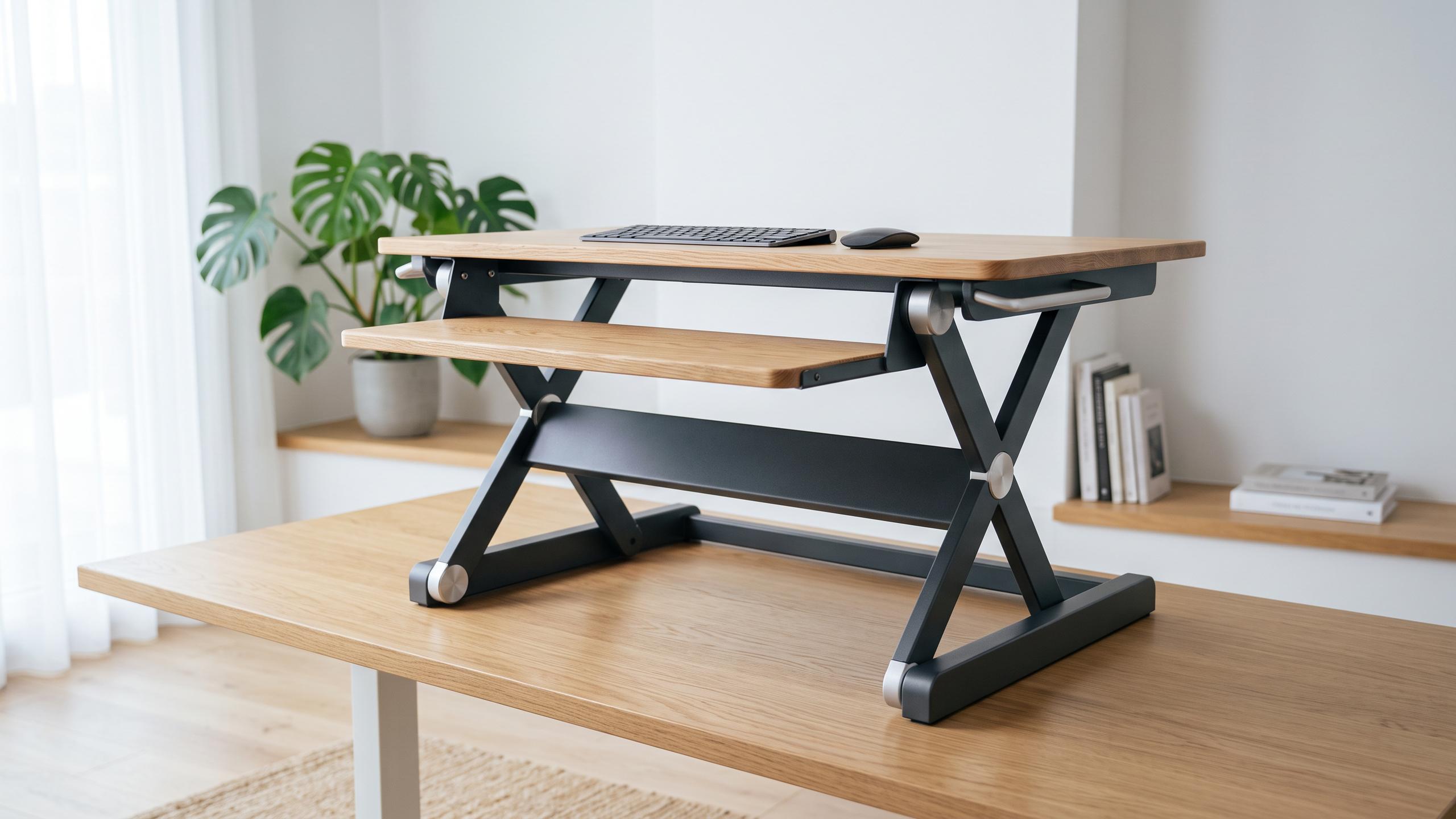
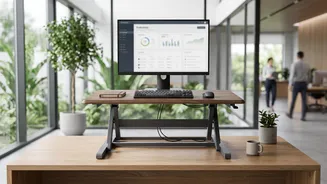
Make your environment work for you. Simple adjustments to your office layout can naturally encourage more movement. For example, instead of keeping a water bottle at your desk, make a point to walk to the cooler or pantry every hour. This not only keeps you hydrated but also forces you to get up and move. If possible, position your dustbin, printer, or scanner across the room rather than within arm's reach. For those with more flexibility, investing in a standing desk or a sit_stand converter allows you to alternate between sitting and standing, which can significantly reduce back pain and engage different muscle groups.
Take the Long Way, Always
Embrace inefficiency in your daily routes. This means consciously choosing the path that requires a little more effort. Always opt for the stairs instead of the elevator, even if it's just for one or two floors. Studies show stair climbing is a fantastic way to boost your heart rate and burns significantly more calories than walking. Park your car or get off public transport a little farther from the office entrance to add a few extra minutes of walking to your commute. Instead of sending an email or a message to a colleague on the same floor, take a walk over to their desk. These small choices accumulate throughout the day, contributing significantly to your overall activity level.