







Why Your Shoulders Hurt at Your Desk
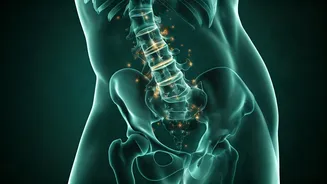
The human body was designed to move, not to stay hunched over a keyboard for eight hours a day. When we sit at a desk, we tend to adopt a forward-head posture, with our shoulders rounding and our upper back stiffening. This posture places a continuous
strain on the muscles of the neck, shoulders, and upper back—specifically the trapezius, rhomboids, and levator scapulae. Over time, these muscles become overstretched, tight, and fatigued, leading to knots, pain, and reduced mobility. The gentle stretches below are designed to counteract this pattern by opening the chest, releasing tension in the upper back, and encouraging better posture throughout the day.
1. The Gentle Neck Tilt
This stretch targets the tight muscles along the sides of your neck, which often take the strain when you crane your head forward. How to do it: Sit tall in your chair with your shoulders relaxed and down, away from your ears. Gently tilt your right ear towards your right shoulder, stopping when you feel a light stretch along the left side of your neck. Avoid forcing the movement or lifting your left shoulder. To deepen the stretch slightly, you can place your right hand on your head and apply very light pressure. Hold for 20-30 seconds, then slowly return to the centre and repeat on the other side. Do this 2-3 times per side.
2. The Classic Shoulder Roll
Simple but incredibly effective, shoulder rolls help release tension in the trapezius muscles and improve circulation around the shoulder joint. This is a perfect micro-break movement. How to do it: Sit or stand with a straight spine. Inhale and lift your shoulders up towards your ears, squeezing them lightly. Hold for a moment, then exhale as you roll them backwards and down, imagining you are trying to make your shoulder blades touch. Feel the opening across your chest. Repeat this movement 5-10 times, then reverse the direction, rolling your shoulders forward for another 5-10 repetitions.
3. The Cross-Body Shoulder Stretch
This is a classic for a reason. It specifically targets the deltoid and upper back muscles, providing relief from the rounded-forward posture. How to do it: Relax your shoulders. Bring your right arm straight across your chest. Use your left hand or forearm to gently press your right arm closer to your body, deepening the stretch in your right shoulder. Make sure to keep your shoulder down and not let it creep up towards your ear. You should feel a good stretch, but no sharp pain. Hold for 20-30 seconds. Release and repeat with the left arm.
4. The Upper Back Release (Seated Cat-Cow)
Borrowed from yoga, this dynamic movement helps increase spinal flexibility and releases tension between the shoulder blades. It’s a wonderful antidote to a stiff, static posture. How to do it: Sit at the edge of your chair with your feet flat on the floor. Place your hands on your knees. On an inhale, arch your back, push your chest forward, and look slightly up towards the ceiling (Cow Pose). On an exhale, round your spine, tuck your chin to your chest, and let your shoulders curve forward (Cat Pose). Flow between these two positions for 8-10 breaths, moving with your own breath.
5. The Chest-Opening Clasp
Desk work encourages our chests to collapse inward. This stretch does the exact opposite, opening up the pectoral muscles and front of the shoulders, which can dramatically improve posture. How to do it: While sitting or standing, clasp your hands behind your back. If you can’t reach, hold a pen, a scarf, or a towel between your hands. Straighten your arms and gently squeeze your shoulder blades together. You should feel a broad stretch across your chest and the front of your shoulders. Lift your clasped hands slightly away from your lower back to deepen the stretch. Hold for 15-20 seconds, breathing deeply.