


Why Monsoon Increases Food Risks
The rainy season's signature humidity and warmth are precisely what harmful microbes love. Bacteria, fungi, and moulds thrive in damp conditions, causing food to spoil much faster than in other seasons. This is why foodborne illnesses like food poisoning,
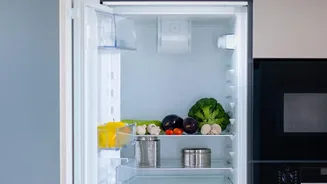
gastroenteritis, and typhoid see a sharp spike. The temperature 'danger zone' for bacterial growth is between 4°C and 60°C, a range that food can easily sit in if not refrigerated or reheated properly. During the monsoon, every time you open the fridge, humid air gets in, making it harder for the appliance to maintain a safe, cool temperature and giving microbes a chance to multiply on your stored food.
The Golden Rules of Storing Leftovers
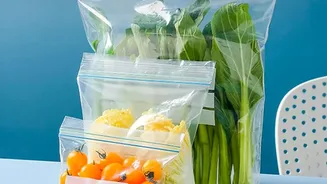
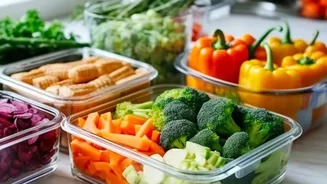
Proper storage is the first line of defence against food poisoning. The most critical rule is the 'two-hour rule': never leave cooked food at room temperature for more than two hours. During the hot and humid monsoon, it is safer to reduce this window to just one hour. Once cooked, allow food to cool down slightly, but don't wait for it to reach room temperature. Transfer leftovers into clean, shallow, airtight containers. Dividing large portions into smaller ones helps food cool down faster, minimising time spent in the danger zone. Store these containers in the refrigerator promptly. A clean fridge set at 4°C or below is crucial.
Reheating Right: The Only Safe Way
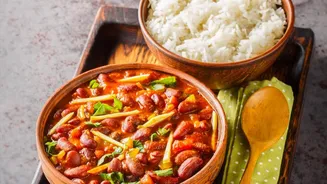
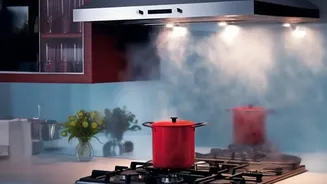
When it's time to eat your leftovers, reheating is not just about making the food warm; it's about making it safe. The goal is to bring the food to an internal temperature of at least 75°C (165°F). This is hot enough to kill most harmful bacteria that may have grown during storage. For gravies, dals, and soups, bringing them to a rolling boil is a clear visual indicator that they are hot enough. Whether using a stove top or microwave, ensure the food is steaming hot throughout. If using a microwave, cover the food and stir it midway to avoid cold spots where bacteria can survive. Using a food thermometer is the most reliable way to check for safety.
How Many Times Can You Reheat Food?
The safest and most widely recommended practice is to reheat food only once. Each time you cool and reheat food, it passes through the temperature danger zone, increasing the opportunity for bacterial growth. Furthermore, some bacteria, like Bacillus cereus often found in rice, can produce toxins that are heat-resistant. This means that even if you kill the bacteria by reheating, the toxins they've already produced can still make you sick. To avoid this, only take out and reheat the portion you plan to eat immediately.
Foods That Need Extra Attention
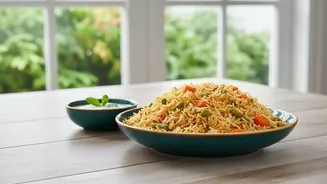
While all leftovers require care, some are higher risk than others. Cooked rice is a primary concern; the spores of Bacillus cereus can survive cooking and multiply rapidly at room temperature, producing toxins that reheating cannot destroy. Always cool and refrigerate rice within an hour. Poultry like chicken can harbour Salmonella or Clostridium perfringens, so it must be reheated thoroughly to 75°C. Egg-based dishes, dairy products, and seafood are also highly perishable and should be handled with extreme care, ensuring they are stored correctly and reheated properly only once.
Know When to Throw It Out
Your senses are a useful guide, but they can't always be trusted. Food contaminated with harmful bacteria may not look, smell, or taste bad. However, if you notice any off-odours, strange textures, or visible mould, discard the food immediately without tasting it. The golden rule of food safety, especially during the monsoon, is simple: when in doubt, throw it out. It's always better to be safe than to risk a nasty bout of food poisoning.