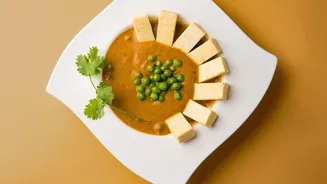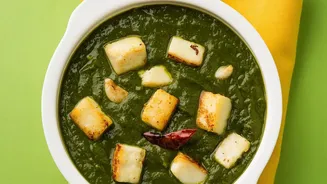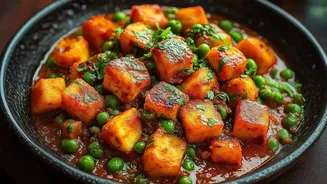

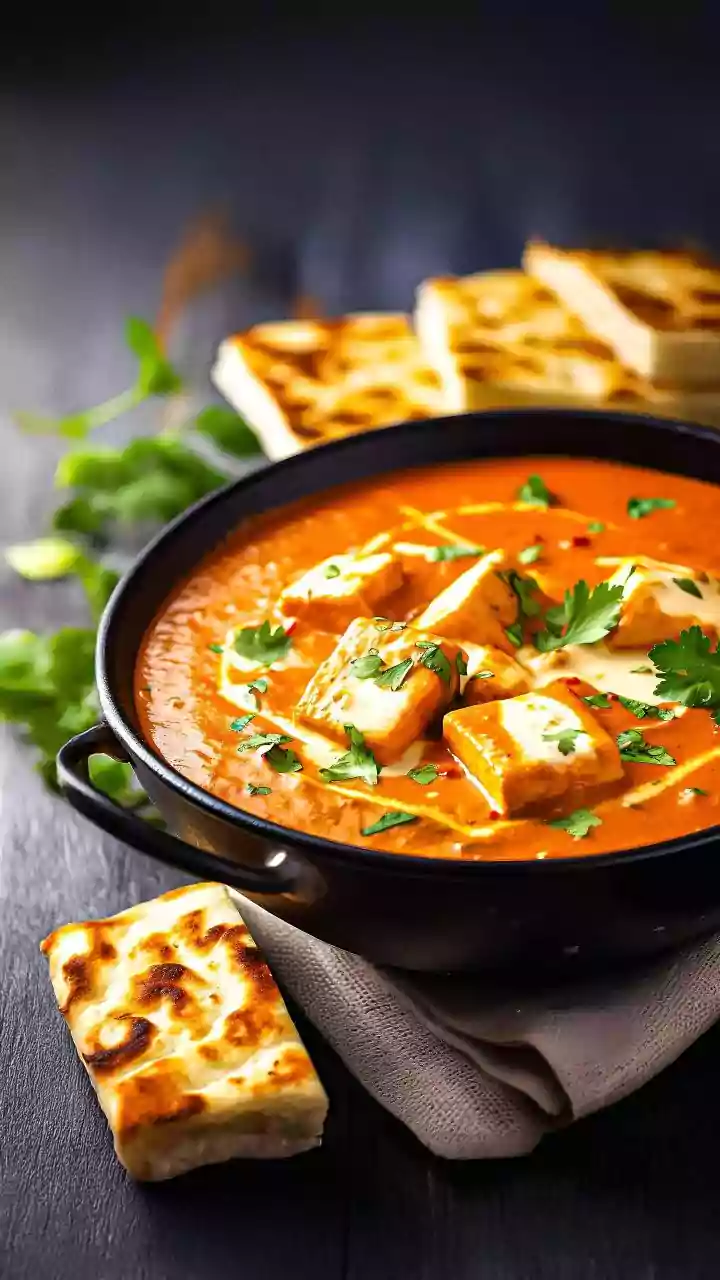
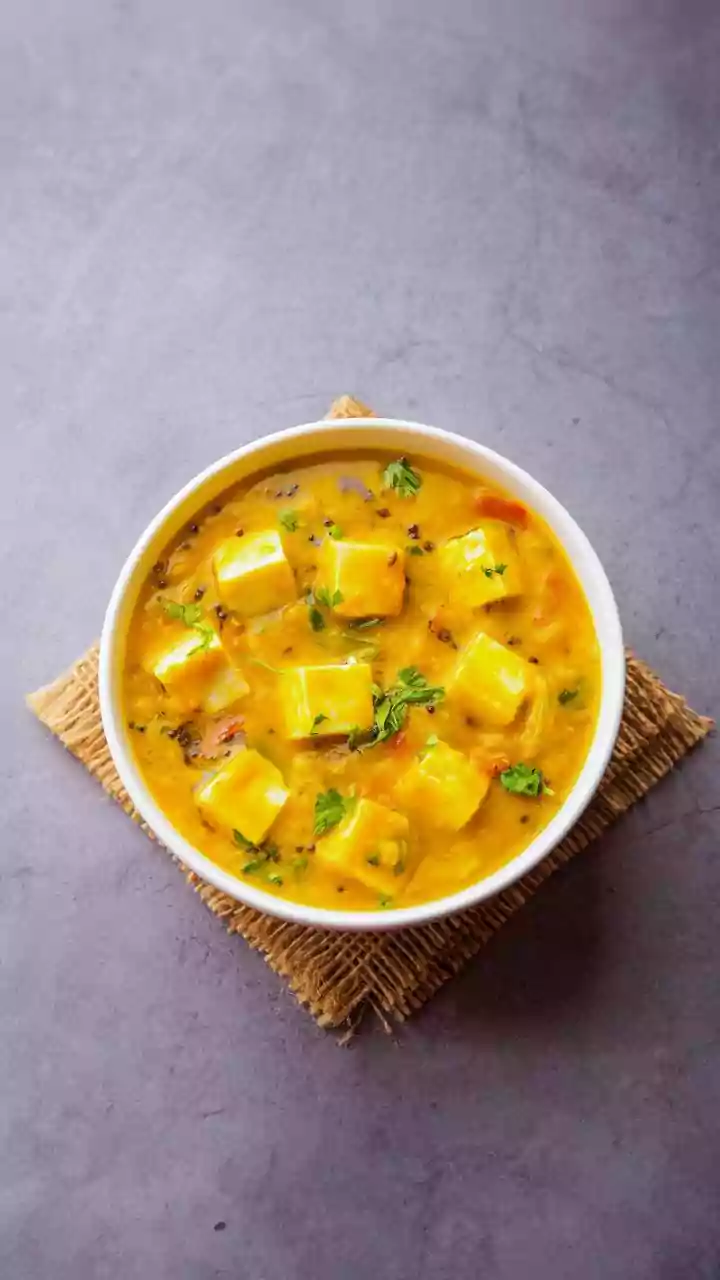



That feeling of disappointment is all too common: you follow a recipe perfectly, but your homemade paneer dish ends up with a chewy, rubbery texture, a pale imitation of the silky, melt-in-your-mouth curries from your favourite Indian restaurant.
The Paneer Preparation Problem
Before
we even get to the gravy, let's address the star of the show. The difference between tough and tender paneer often comes down to one simple step: hydration. Many home cooks make the mistake of adding cold, hard paneer straight from the fridge into a hot pan or gravy. This temperature shock and prolonged cooking time squeezes moisture out of the cheese, making it firm and unpleasantly chewy. The single most effective trick is to soak your paneer cubes in warm, lightly salted water for 15-20 minutes before you start cooking. This simple bath restores moisture, making the paneer sponge-like and ready to absorb the flavours of your gravy without hardening up. It's a non-negotiable step for achieving that coveted soft texture.
The Creamy Gravy Foundation
Restaurant gravies achieve their luxurious mouthfeel through the liberal use of fat, which acts as a flavour carrier and creates a smooth finish. While home cooking can be healthier, don't shy away from full-fat dairy to build your base. North Indian cuisine, in particular, relies on dairy for richness. Start by using ghee (clarified butter) instead of oil for sautéing your onions and spices. More importantly, when it comes to the gravy itself, incorporating cashews or blanched almonds is a professional secret. Soaking a small handful of cashews in warm water and blending them into your tomato-onion base creates a thick, naturally creamy foundation without an overpowering dairy taste. This reduces the work your cream has to do later on.
The Power of Yogurt
Yogurt, or dahi, is a cornerstone of Indian cooking, used to add a subtle tang and a creamy consistency to many dishes. In dishes like Shahi Paneer, whisked yogurt is a key ingredient for the sauce's body. To avoid splitting, always whisk your yogurt until it's perfectly smooth and bring it to room temperature before adding it to the pan. It's also wise to lower the heat significantly when incorporating yogurt. Some chefs even mix a spoonful of the hot onion-tomato masala into the yogurt first to temper it, which further prevents curdling. Beyond the gravy, a yogurt-based marinade for your paneer cubes, mixed with spices like turmeric and chilli powder, can tenderise the cheese and infuse it with flavour before it even hits the pan.
The Final Flourish: Cream
Heavy cream, or malai, is the final touch that delivers that unmistakable velvety richness. However, timing is everything. A common mistake is adding cream too early and boiling it, which can cause it to split or lose its delicate flavour. Cream should be stirred in at the very end of the cooking process, just before serving. Once your gravy is cooked and the paneer has been gently simmered for a few minutes, reduce the heat to low and swirl in the cream. Cook for just another minute or two until it's heated through, but never let it come to a rolling boil. This ensures the gravy remains smooth, glossy, and luxuriously rich, perfectly coating each soft piece of paneer.