


The Philosophy: Cook Smarter, Not Harder
The idea of 'ingredient overlap' is simple yet revolutionary for the home cook. Instead of planning seven distinct dinners with seven unique shopping lists, you strategically build your weekly menu around a core group of ingredients. This isn't about
eating the same meal on repeat; it’s about making your ingredients work double duty. A bunch of palak (spinach) can be used for palak paneer one night and then blended into a dough for spinach rotis the next. This approach immediately simplifies grocery shopping, reduces the mental load of daily cooking, and makes your kitchen more efficient.
Build Your Foundation: Identify Core Staples
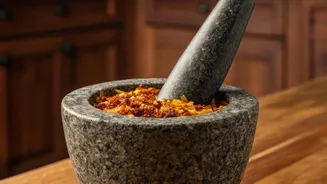
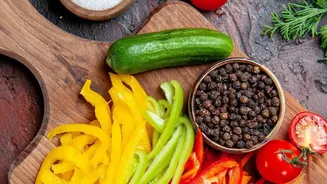
A well-planned menu starts with a well-stocked pantry. Before you even think about recipes, take inventory of what your family regularly eats. For most Indian households, this list is quite consistent. It typically includes essentials like rice, atta (wheat flour), and a variety of dals (lentils) such as toor, moong, and chana. The foundation of most curries rests on a handful of fresh staples: onions, tomatoes, ginger, and garlic. Your spice box (masala dabba) is also key, holding staples like turmeric (haldi), cumin seeds (jeera), coriander powder (dhania), and red chilli powder. Knowing these core items helps you shop with purpose and ensures you always have the base for a wholesome meal.
The 'Plus One' Strategy in Action
Once you have your staples, the 'plus one' strategy makes planning easy. Start with a versatile base and change one or two key ingredients to create entirely new dishes. For instance, a basic onion-tomato masala is a workhorse in the Indian kitchen. On Monday, you can add boiled chickpeas to this base to make Chana Masala. On Wednesday, the same base can be used with paneer and cream for a rich Paneer Butter Masala. The core effort was only done once. Similarly, a large batch of boiled potatoes can be used for a simple potato fry (sabzi) one day, as a filling for dosas or parathas the next, and mashed into patties for aloo tikki later in the week. This minimizes active cooking time and ensures no ingredient is bought for a single purpose.
A Sample Overlap Plan for the Week
Let's see how this works practically. You buy a large bunch of coriander and a block of paneer. Sunday: Make a vibrant green chutney with coriander, mint, and chillies. Use it as a side for snacks. Monday: Cook Dal Tadka and rice. Garnish generously with fresh, chopped coriander. Tuesday: Prepare Paneer Bhurji (scrambled paneer) with onions, tomatoes, and spices. Again, finish with a sprinkle of coriander. Wednesday: Use the leftover green chutney as a spread for sandwiches or as a flavour base for a quick vegetable stir-fry. * Thursday: Make a simple raita (yoghurt dip) and mix in the remaining fresh coriander. In this plan, one herb was used in four different ways, ensuring nothing was wasted. This approach forces you to think of an ingredient's potential across a full week, not just for a single meal.
The Ripple Effect: Less Waste, More Savings
The benefits of this system extend beyond just an organised kitchen. The most significant impact is on reducing food waste. When every ingredient has multiple planned uses, it’s far less likely to be forgotten at the back of the fridge until it’s unusable. A survey of urban Indian households shows that a significant amount of money is lost each month to discarded groceries. By planning for overlap, you buy less and use more of what you buy. This leads to smaller, more focused grocery bills and the satisfaction of running a more sustainable household. It's a proactive strategy that empowers you to take control of your food budget and kitchen resources.