




The Monsoon Menace in Apartments
The joy of the rainy season is often accompanied by a persistent problem for apartment dwellers: dampness. High humidity can make your home feel stuffy and uncomfortable. More than just a feeling, this excess moisture creates a breeding ground for mould
and mildew, which can trigger allergies, release musty odours, and even damage clothes, furniture, and walls. While good ventilation is the first line of defence, it's not always possible to keep windows open during a downpour. This is where turning to simple, natural solutions can make a significant difference in managing your indoor climate.
How Plants Act as Natural Dehumidifiers
It might seem counterintuitive, but many houseplants can help manage humidity. While all plants release some moisture through transpiration, certain species are particularly adept at absorbing moisture from the air through their leaves, a process known as foliar absorption. These plants typically hail from humid, tropical environments and have adapted to draw water not just from the soil but from their surroundings. By choosing the right green companions, you can create a small, living system that helps balance the air in your home, making it less hospitable for mould and mildew.
Your Green Army Against Dampness
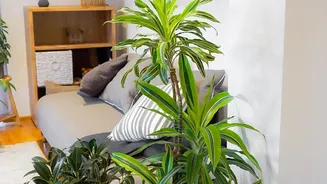
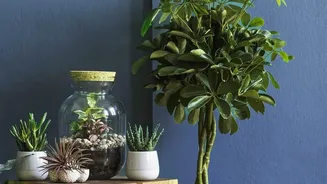
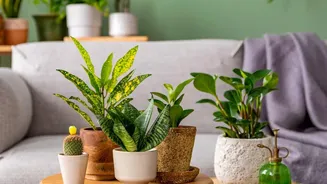
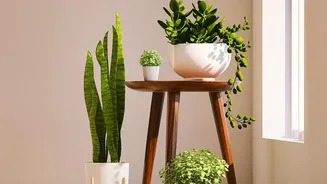
Not all plants are created equal when it comes to absorbing humidity. To effectively combat dampness, focus on species known for their moisture-absorbing capabilities. The Peace Lily, with its elegant white blooms, is a top contender, known for taking in moisture through its large leaves. Another excellent choice is the Spider Plant, a low-maintenance and resilient option that thrives in high-humidity environments. Snake Plants are also effective at absorbing excess moisture and are famously hard to kill, making them perfect for beginners. For those with a bit more space, palms like the Reed Palm or Bamboo Palm are not only beautiful but also work hard to absorb airborne moisture. Boston Ferns are classic humidity lovers, thriving in damp conditions like bathrooms and helping to balance the air.
The Understated Power of Clay
Beyond plants, one of the oldest and simplest materials — clay — is a powerful ally against dampness. Natural, unglazed clay, like that used in terracotta pots, is porous. This means it has a network of tiny holes that can absorb and hold water. When the air is humid, the porous clay will naturally draw moisture in. This ability to act like a sponge makes it an excellent passive dehumidifier. Clay not only helps control moisture but can also absorb pollutants and odours, further contributing to a healthier indoor environment. This simple, earthy material works silently to make your home more comfortable.
Practical Ways to Use Plants and Clay
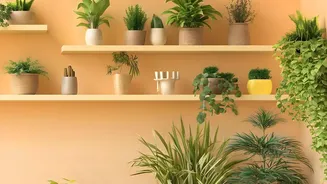
Combining plants and clay creates a synergistic effect. The most straightforward method is to house your humidity-absorbing plants in terracotta pots. The pot itself will help wick moisture away from the soil, preventing overwatering, and will also absorb moisture from the surrounding air. You can enhance this effect by placing bowls of porous clay balls, or even simple rock salt or charcoal briquettes, in particularly damp corners, closets, or under furniture. These act as moisture sinks. For a decorative touch, arrange your green army in clusters in areas prone to dampness, like bathrooms, kitchens, and near windows. This concentration increases their collective impact on the local humidity.
Managing Expectations: A Holistic Approach
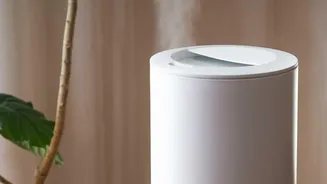
It is important to have realistic expectations. While indoor plants and clay can certainly help, they are not a substitute for a mechanical dehumidifier in cases of severe dampness. Think of them as contributors to a broader strategy for a healthier home. Their effectiveness is greatest when combined with other good habits. Ensure you allow for cross-ventilation whenever the rain stops, use exhaust fans in kitchens and bathrooms, and fix any leaks promptly. These natural solutions work best to manage moderate humidity and prevent mustiness, rather than to solve major water-ingress problems.