



Start with the Right Foundation: Soil and Drainage
Fungal infections like root rot thrive in soggy, dense soil. Your first line of defence is creating an environment where water doesn't linger. When planting in containers, never use soil directly from a garden bed; it compacts easily, choking roots and
holding too much moisture. Instead, opt for a high-quality, sterile potting mix specifically designed for containers. These mixes are light and fluffy, usually containing ingredients like perlite, vermiculite, and peat moss or coco peat, which ensure excellent drainage and airflow for the roots. Before filling your pots, ensure they have ample drainage holes. If you're reusing old pots, scrub them thoroughly and sterilise them with a mild bleach solution to kill any lingering fungal spores from previous seasons.
Master Cool-Weather Watering
Overwatering is the number one cause of fungal issues in balcony gardens, especially in cooler months when evaporation is low. Plants need significantly less water in winter as their growth slows down. Ditch the rigid schedule and water only when necessary. The best way to check is by inserting your finger a couple of inches into the soil; if it feels damp, wait another day or two. When you do water, do so thoroughly until you see water exit the drainage holes, but do it in the morning. This gives the plant's foliage and the soil surface time to dry out during the day, reducing the risk of diseases like powdery mildew and black spot that flourish on wet leaves overnight. Always aim the water at the base of the plant, directly onto the soil, rather than splashing the leaves.
Let Your Plants Breathe
Good air circulation is crucial for preventing fungal diseases. When humid, stagnant air gets trapped around leaves, it creates a breeding ground for pathogens. Even on a small balcony, you can improve airflow by giving your plants enough space. Avoid overcrowding your pots. If you have a dense collection, consider thinning them out or rearranging them to allow more air to move between them. Grouping plants can create a beneficial microclimate, but too close can be detrimental. Periodically, prune any dead or yellowing leaves and remove fallen debris from the soil surface. This 'sanitation' practice eliminates places where fungal spores can hide and multiply.
Know Your Enemy: Common Fungal Diseases
Being able to identify a problem early makes it much easier to treat. Keep an eye out for these common culprits:
Powdery Mildew: This appears as a white, dusty coating on leaves, stems, and flowers. It thrives when days are warm but nights are cool.
Root and Stem Rot: This is often a silent killer. The first signs are usually wilting or yellowing leaves, even when the soil is moist. The base of the stem might turn brown or black and feel mushy.
Black Spot: As the name suggests, this disease causes black spots to appear on leaves, often with a yellow halo around them. Infected leaves may drop prematurely.
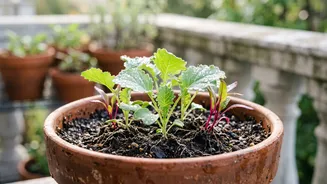
Damping Off: This affects young seedlings, causing them to rot at the soil line and collapse. Using sterile seed-starting mix is the best prevention.
Proactive and Natural Solutions
You don't have to wait for a problem to appear. Incorporating preventative measures can keep your garden robust. A layer of organic mulch can help regulate soil moisture, but be sure to keep it away from the plant stems to avoid trapping moisture there. For natural, preventative sprays, many gardeners find success with neem oil. Mixed with water and a drop of mild soap, it can disrupt fungal growth and deter pests. A simple solution of baking soda, water, and liquid soap can also work by altering the pH on the leaf surface, making it inhospitable for fungi like powdery mildew. Another pantry item, cinnamon powder, can be sprinkled lightly on the soil surface; its natural compounds act as a fungicide, especially helpful in preventing damping-off in seedlings.