

The Allure and Danger of Monsoon Mushrooms
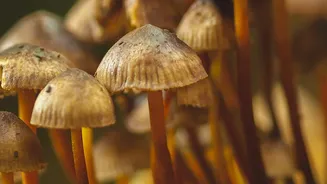
The monsoon season in India creates the perfect humid, damp conditions for fungi to flourish, leading to an abundance of wild mushrooms in forests and fields. This makes them a tempting seasonal delicacy for many. However, the risk of accidental poisoning
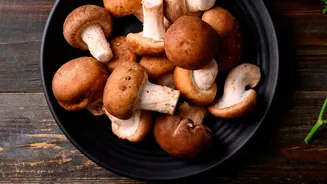
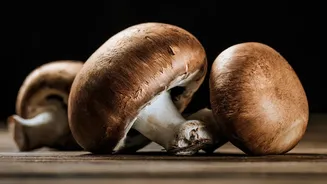
spikes during this time. While many wild varieties are edible, a number of poisonous species look strikingly similar to safe ones. Misidentification is a common and dangerous mistake. Commercially cultivated mushrooms like button, shiitake, or portobello bought from reliable sources are generally safe, but the monsoon dampness can make even these spoil faster if not handled correctly. The primary concern is two-fold: consuming toxic wild varieties by mistake and eating properly safe mushrooms that have spoiled due to the high humidity.
Wild Foraging: A Job for Experts Only
Foraging for wild mushrooms is a tradition in many Indian communities, built on generations of specific, local knowledge. However, for the average person, it is extremely risky. There are no simple universal rules to distinguish a deadly mushroom from an edible one. Old myths like a poisonous mushroom tarnishing a silver spoon, or being able to peel the cap, are dangerously false. Even seeing an animal eat a mushroom is not a guarantee of its safety for humans. Many of the most lethal mushrooms, like the Death Cap (Amanita phalloides), which is responsible for the vast majority of fatal mushroom poisonings, can be mistaken for edible varieties. The safest approach is to leave foraging to mycologists and seasoned local experts. The golden rule remains: if you have even a shadow of a doubt about a mushroom's identity, do not eat it.
Spotting Trouble: General Red Flags
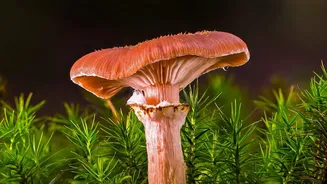
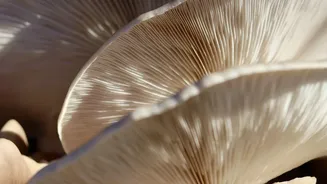
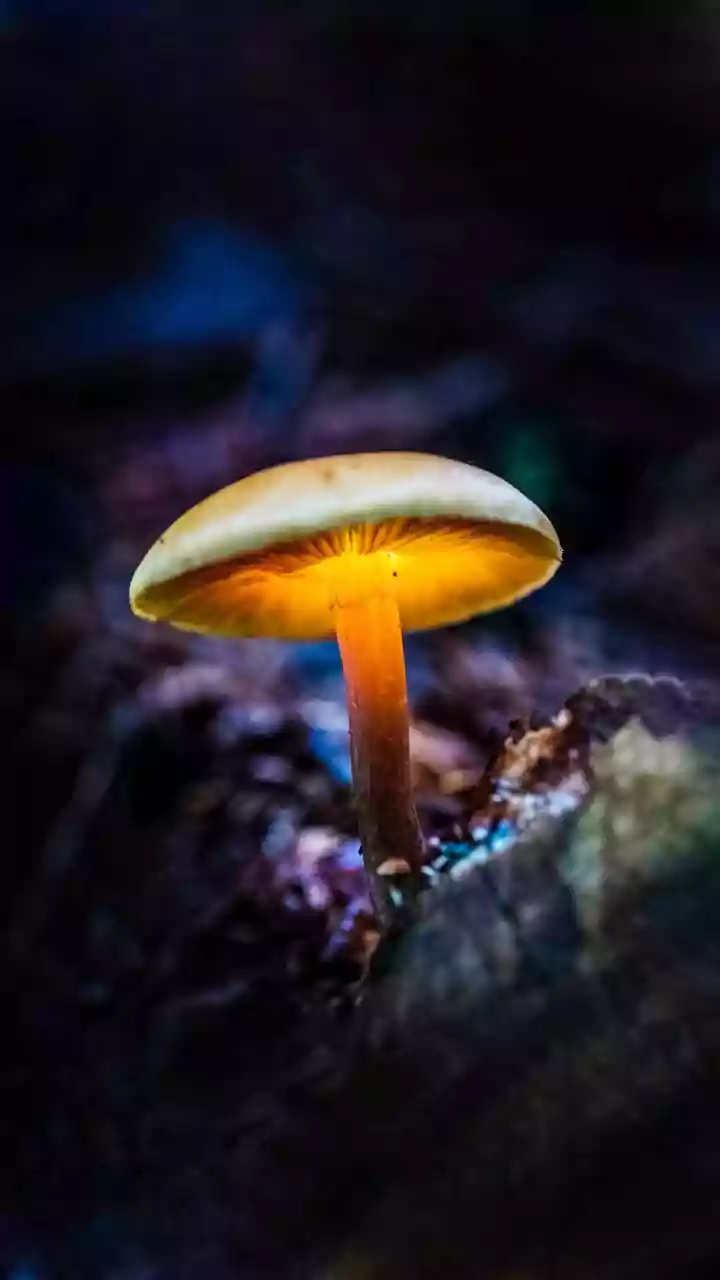
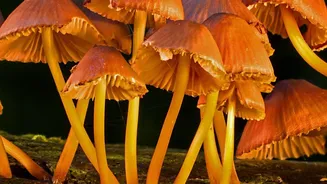
While only an expert can be certain, some general features are common among poisonous varieties and should be treated as warning signs. Be cautious of mushrooms with white gills, a ring or 'skirt' on the stem, and a swollen, sac-like base called a volva. These are characteristic of the dangerous Amanita family. Brightly coloured caps, especially with red on the cap or stem, can also be a red flag. Other potential warning signs include a chemical or unpleasant smell, or flesh that bruises or changes colour when cut or handled. However, remember that these are not foolproof rules, as many edible mushrooms can share some of these traits, and some toxic ones can look plain. The only true safety lies in 100% positive identification or purchasing from a trusted source.
Safe Shopping and Storage Practices
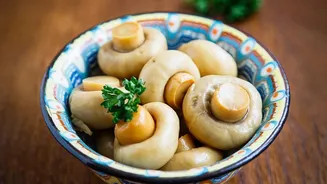
For most people, the safest way to enjoy mushrooms is to buy them from a reputable source like a supermarket or a trusted grocer. When buying, choose mushrooms that are firm, dry, and free from slimy patches, dark spots, or mould. Avoid those that look bruised or shrivelled. If they are pre-packaged, ensure the packaging has holes for air circulation to prevent the growth of harmful bacteria. Once home, store mushrooms in the refrigerator in a paper bag, not a sealed plastic one, to keep them from becoming damp and spoiling. It is best to buy only what you need for a few days, as their shelf life is short, especially in humid weather.
Proper Preparation for Maximum Safety
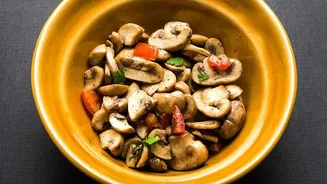
Proper handling in the kitchen is the final step to ensuring your mushrooms are safe. Do not wash mushrooms until you are ready to cook them, as the extra moisture will accelerate spoilage. To clean them, gently wipe with a damp cloth or use a soft brush. Always cook mushrooms thoroughly. Cooking helps kill many harmful microorganisms that may have grown on them due to the monsoon humidity and improves their digestibility. Raw mushrooms are best avoided. Also, be mindful of cross-contamination; always use clean utensils and cutting boards, and wash your hands before and after handling mushrooms.
Recognising the Signs of Poisoning
If you suspect that you or someone else has eaten a poisonous mushroom, it is critical to seek medical help immediately. Do not wait for symptoms to appear. The initial symptoms of many mushroom poisonings include severe abdominal pain, nausea, vomiting, and diarrhoea, which can appear anywhere from 20 minutes to 24 hours after consumption. Some of the most dangerous mushrooms, like the Death Cap, have a deceptive latency period where symptoms appear, seem to resolve, and then return with life-threatening liver and kidney failure. If possible, take a sample of the mushroom that was eaten—or a clear photo of it—to the hospital to help with identification and treatment.