






The Context of the 'Mini-Deal'
Recent talks in October 2026 have brought India and the US 'incredibly close' to what is being described as the first phase of a new trade agreement. While a comprehensive free trade agreement (FTA) remains a long-term goal, officials from both nations
have confirmed that a smaller, interim deal is being finalised. This initial agreement aims to resolve several long-standing trade irritants and reset the economic relationship, with the ambitious target of more than doubling bilateral trade from approximately $240 billion to over $500 billion in the coming years. For the Indian consumer and domestic industries, this deal presents a mixed bag of significant opportunities and considerable challenges.
Potential Winners: Pharma, Textiles, and Tech
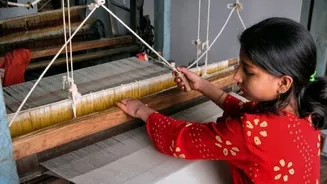
Several Indian export-oriented sectors stand to gain from improved access to the world's largest consumer market. The Indian pharmaceutical industry, a global powerhouse in generic drug manufacturing, is a major beneficiary. The agreement is expected to streamline regulatory approvals, such as those from the USFDA, allowing Indian pharma companies faster and more predictable entry into the lucrative US healthcare market. Similarly, India's textile and apparel industry could see a boost. The deal reportedly includes the reduction or elimination of tariffs on certain Indian textile and handicraft products, making them more competitive. The technology sector also sees a positive outlook, with potential easing of export controls on high-performance US technology like GPUs and semiconductor components, which are crucial for building out India's data centre infrastructure.
Areas of Concern: Agriculture and Dairy
The most significant concessions from India appear to be in the agricultural sector, sparking concern among farmer groups. For years, the US has aimed to reduce its agricultural trade deficit with India. This deal seems to address that by granting greater market access for American farm products. Reports suggest India has agreed to lower tariffs on goods like US apples, walnuts, and almonds, as well as dairy products. This has raised alarms for the more than 80 million rural households dependent on dairy, who fear competition from subsidised US imports. Similarly, allowing cheaper imports of products like Dried Distillers Grains (DDG) and sorghum, used in cattle feed, could depress domestic prices for Indian maize and jowar farmers.
The Impact on the Indian Consumer
For the average Indian shopper, these trade adjustments will likely translate into noticeable changes. On one hand, consumers may soon find cheaper imported goods on store shelves. This could include premium American food products and high-end electronics, as the US is also pushing for lower duties on its medical devices and technology hardware. On the other hand, the increased competition could place immense pressure on domestic manufacturers and producers who are part of the 'Make in India' initiative. While some Indian export industries may see job growth, the agricultural concessions could threaten the livelihoods of millions in the rural economy. The final outcome represents a delicate balancing act between lower prices for consumers and protection for domestic producers.