
Why Monsoon Walks Are Risky Business
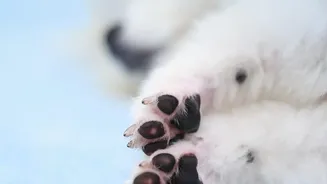
A dog's paws are their connection to the world, but during the monsoon, they are ground zero for health issues. The combination of high humidity and constant contact with wet, often dirty, city streets creates an ideal environment for fungi and bacteria
to thrive. Organisms like Malassezia yeast, which naturally live on a dog's skin, can multiply uncontrollably in warm, moist conditions, leading to painful infections. The spaces between a dog's toes and paw pads are particularly vulnerable as they trap moisture, mud, and debris, making it difficult for them to dry out naturally. This prolonged dampness weakens the skin's natural barrier, inviting infections that cause intense itching, inflammation, and discomfort for your furry companion.
The Essential Post-Walk Paw Care Ritual
Prevention is the most effective strategy, and it starts the moment you walk back through the door. A consistent five-minute routine after every single wet walk can prevent most monsoon-related paw problems. First, gently rinse your dog’s paws with lukewarm water to wash away mud and potential contaminants from street puddles. Next, and most critically, you must dry them thoroughly. Use a soft, absorbent microfibre towel and be sure to dry between each toe and around every pad. Leaving paws even slightly damp is what allows fungus to grow. For dogs with thick or long fur, you can use a hairdryer on its lowest and coolest setting to ensure the area is completely dry.
Grooming and Gear for Extra Protection
A little prep work can make your daily routine much easier. One of the most overlooked but effective steps is to trim the hair between your dog's paw pads. Shorter fur traps less moisture and mud, allows for better airflow, and makes cleaning and drying much faster. For added defence, consider applying a thin layer of a pet-safe paw balm or wax before heading out. This creates a protective barrier against wet surfaces and irritants. If your dog will tolerate them, waterproof booties offer the ultimate protection, keeping paws entirely clean and dry, though it may take some positive reinforcement to get your dog used to wearing them.
How to Spot the First Signs of Infection
Early detection is crucial to prevent a minor irritation from becoming a serious infection. Get into the habit of checking your dog’s paws daily. The most common sign of a brewing problem is your dog persistently licking, chewing, or biting at their paws. Visually inspect the skin between the toes and on the pads for redness, swelling, or any discharge. Another tell-tale sign is a distinct, unpleasant odour, often described as musty or like corn chips. You might also notice discoloured fur around the paws from saliva staining, or see flaky, crusty skin. If the infection is causing pain, your dog may limp or seem reluctant to walk.
When a Vet Visit is Non-Negotiable
While good hygiene can prevent many issues, some infections require professional medical treatment. If you notice any of the symptoms of infection, it is essential to consult a veterinarian for an accurate diagnosis. What looks like a simple fungal issue could be a secondary bacterial infection or related to an underlying allergy that needs to be managed. Your vet can perform tests to identify the specific cause and prescribe the correct treatment, which may include medicated wipes, antifungal shampoos with ingredients like chlorhexidine or ketoconazole, or even oral medications for more severe cases. Do not use human antifungal creams, as they can be toxic if your dog licks them off.