





A Year of New Connections
The year 2026 has marked a significant expansion in India's global connectivity, with both Indian and international airlines launching a series of non-stop routes. For years, long-haul travel to Europe or North America often meant a mandatory layover
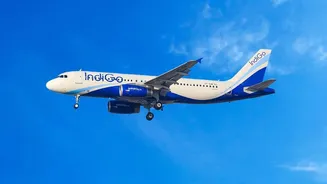
in the Gulf or Southeast Asia. Now, that is changing. Indian carriers like IndiGo and Air India have been at the forefront. IndiGo, for instance, launched direct flights from Kolkata to Shanghai and Delhi to Colombo in March. The airline also commenced services to Athens from both Mumbai and Delhi in January, marking its first use of the long-range Airbus A321XLR aircraft. Meanwhile, a resurgent Air India has added services like Mumbai to Tokyo (Haneda) and resumed key European links, including daily services to Zurich.
The Ambition to Build a Global Hub
The driving force behind this expansion is a calculated strategy to make India a global aviation hub, directly challenging the dominance of airports like Dubai, Doha, and Singapore. For decades, these hubs captured a significant portion of Indian international traffic. Now, revitalised Indian airlines, particularly Air India under Tata's ownership, are aiming to win back this traffic. Armed with massive new aircraft orders and retrofitted long-haul planes featuring modern cabins, they are finally equipped to compete on both network and product. The plan isn't just to cater to travellers originating from India but to position Indian airports like Delhi, Mumbai, and Bengaluru as convenient transit points for global travel.
Meeting the Demands of a Rising Traveller
This supply-side push is being met with soaring demand. The number of Indians travelling abroad has been rising steadily, with over 32 million outbound departures recorded in 2025 alone. This isn't just business travel; it's a boom in leisure, education, and trips to visit family and friends. This growing class of globetrotters has the aspiration and the means to pay for the convenience of direct flights. Airlines are responding to this clear market signal. The new routes reflect a focus on destinations with strong diaspora ties, tourism potential, and business links, from Europe to Southeast Asia.
The Role of New-Generation Aircraft
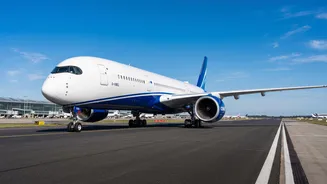
Much of this expansion would be impossible without the arrival of new-generation aircraft. The Airbus A321XLR, for example, is a narrow-body plane with an unusually long range, allowing airlines like IndiGo to open up 'long and thin' routes, such as to Athens, that may not have been commercially viable for a large wide-body jet. This aircraft is a game-changer for connecting India directly to more cities in Europe and Southeast Asia. Simultaneously, the delivery of new wide-body aircraft like the Airbus A350 and Boeing 787s to Air India is providing the capacity and efficiency needed for premier long-haul routes to North America, Europe, and Australia.
It's Not Always a Straight Line
While the overall trend is one of rapid growth, the expansion is not without its challenges and adjustments. Airlines constantly review route viability based on demand, operational costs, and geopolitical factors. For instance, both Air India and IndiGo have made temporary schedule adjustments in 2026, reducing frequencies on some routes or suspending others due to factors like high jet fuel prices and airspace restrictions. This is a normal part of the aviation business, reflecting a more disciplined and commercially-minded approach to network planning, a departure from the past when some routes were flown for prestige rather than profit. These careful calculations ensure the broader expansion strategy remains sustainable in the long run.