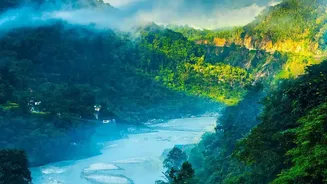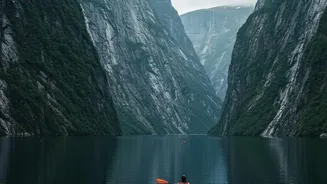



Acknowledge Local Knowledge and Conditions
The single most important rule for kayaking in Meghalaya is to respect local expertise. The state receives some of the heaviest rainfall on the planet, creating dynamic and unpredictable river systems. Water levels can rise exponentially without warning,
drastically changing the nature of a rapid. Local guides and villagers possess invaluable knowledge about river behaviour that no satellite image can provide. The best paddling season is typically October and November, just after the monsoon, when the water is powerful but the weather is drier. Always check forecasts, but be prepared for sudden changes.
Understand the Unique Geological Hazards
Meghalaya’s rivers flow through deep gorges and feature a mix of bedrock drops and boulder gardens. This geology creates specific hazards. While some rivers are known for 'safe', deep pools after major rapids, others are fraught with dangers like sieves (where water flows through rocks) and undercuts that are not always visible from the surface. Flash floods are a major concern, capable of turning a manageable route into a life-threatening situation. Thoroughly scouting rapids is not just recommended; it's a critical survival step. When in doubt, always portage (carry your kayak around the hazard).
Gear Up for Immersion and Impact
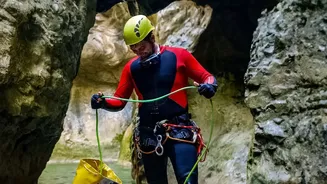
Standard kayaking gear is not enough for Meghalaya's extreme conditions. Your kit must be robust and suited for high-impact, high-volume water. A helmet and a properly fitted Personal Flotation Device (PFD) are non-negotiable and must be worn at all times. Given the cold water, even on warm days, a wetsuit or drysuit is essential to prevent hypothermia. Protective footwear, a first aid kit, and reliable communication devices that work without a mobile signal are also vital. Ensure your kayak is in perfect condition, as equipment failure in these remote canyons can be catastrophic.
Master Advanced Paddling and Rescue Skills
The sheer volume of water requires advanced paddling techniques. You must be proficient in handling turbulent water, including ferrying across strong currents and navigating large drops. The rivers here will test even seasoned experts. Beyond personal skill, your group must be proficient in swift-water rescue. The 'reach, throw, row, go' principle is a foundational rescue hierarchy. Every member of your expedition should know how to use a throw bag effectively and understand defensive swimming techniques, like floating on your back with feet pointed downstream to fend off obstacles. Never paddle alone.
Plan Your Expedition Meticulously
A trip to Meghalaya is an expedition, not a casual day on the water. Your planning must reflect this. Create and share a detailed float plan with someone who is not on the trip, including your route, expected timings, and emergency contacts. For many of the best rapids in the interior, you will need to bring your own equipment, as rental centres are not widely available for expert gear. This includes not just your boat and paddle, but multi-day camping supplies, water purification, and a comprehensive repair kit. Factor in logistics for porters if necessary, as access to some river sections involves trekking through dense jungle.
Choose Your Team Wisely
Your safety is directly linked to the skills and mindset of your paddling partners. An ideal team for a Meghalaya expedition has a balanced mix of skill levels, with experienced leaders who can make conservative decisions. Everyone should have a clear understanding of the plan, their role in it, and the procedures for communication and emergencies. Teamwork is essential, especially when navigating difficult sections or performing a rescue. The physical and mental demands are intense; ensure your group is prepared for long days, challenging conditions, and the potential for things to go wrong.