




A City Transformed into an Art Gallery
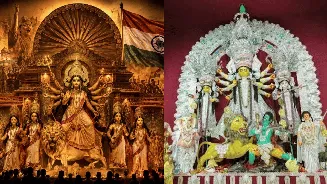
For five days, Kolkata sheds its skin and becomes a sprawling, open-air art gallery. The tradition of pandal hopping involves walking, often through the night, from one neighbourhood to another to witness these temporary structures, or 'pandals', that
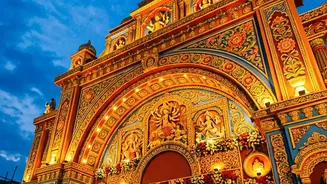
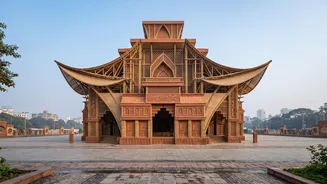
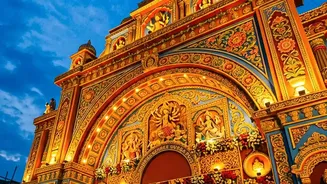
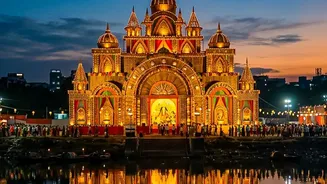
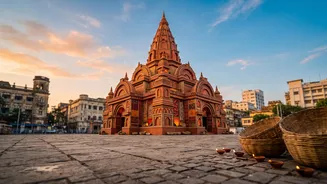
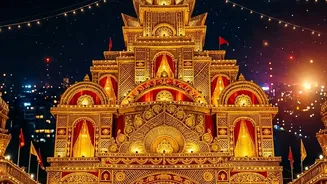
house the idol of Goddess Durga. But these are no simple tents. Each pandal is a masterpiece of creativity, often months in the making, crafted by artisans and artists who interpret a unique theme. Themes can range from replicas of global monuments, like Sreebhumi Sporting Club's recreation of Jaipur's Hawa Mahal, to profound social or environmental messages. This transformation is so significant that in 2021, UNESCO recognised Kolkata's Durga Puja as an Intangible Cultural Heritage of Humanity, celebrating it as a public performance of religion and art.
The Spectacle of Themes and Creativity
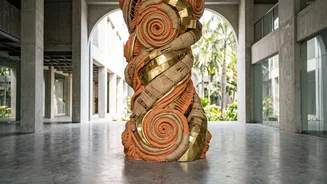
What makes pandal hopping truly special is the sheer diversity of themes and the competitive spirit that drives them. Community clubs vie for awards, pushing artists to create increasingly innovative and breathtaking installations. One pandal might transport you to the Somnath Temple, while another makes a statement with eco-friendly materials like recycled pens. Some themes are historical, exploring India's freedom struggle or the legacy of Partition, complete with light-and-sound shows. Others celebrate Bengal's own rich folk traditions, using elements like Patachitra scrolls and terracotta crafts. This blend of grand architectural replicas, modern art installations, and traditional craftsmanship ensures that no two pandals are alike, making every stop a new discovery.
A Culinary Journey on the Streets
Pandal hopping is a feast for the eyes, but it's just as much about feeding the soul—and the stomach. The streets surrounding the pandals come alive with food stalls offering an endless array of delights. You can’t talk about Puja without mentioning the quintessential street food. From the tangy explosion of phuchka (Kolkata's version of golgappa) to the flaky, filling kathi rolls, every snack is part of the experience. Other must-try items include ghugni (a spicy pea curry), telebhaja (deep-fried fritters like beguni and alur chop), and the legendary Kolkata-style biryani with its signature potato. Late-night walks are often punctuated by stops for chowmein or a sweet serving of mishti doi to refuel for the next pandal.
The Unifying Spirit of Community
Beyond the art and food, the true magic of Durga Puja lies in its incredible sense of community. It is a time when social barriers of class and religion seem to dissolve in the shared festive spirit. Streets are thronged with millions of people, from families with young children to groups of friends and elderly couples, all united in their quest to experience the city's creative fervour. The festival is a massive collective effort, financed by local contributions and organised by neighbourhood volunteers who work for months. This spirit of inclusion makes everyone feel welcome, turning a religious ritual into a city-wide celebration of togetherness and shared identity.
Tradition Amidst Modern Marvels
While theme-based pandals grab many of the headlines, pandal hopping also offers a chance to connect with deep-rooted traditions. A visit to a 'Bonedi Bari' (a puja hosted by one of Kolkata's old aristocratic families) provides a glimpse into centuries-old customs in historic mansions. Similarly, some community pujas, like Bagbazar Sarbojanin, are famous for their unwavering commitment to a traditional 'ekchala' idol, where Durga and her children are depicted in a single frame. This contrast between the experimental and the traditional, the global and the local, is a key part of the experience. It allows one to appreciate both the evolution of the festival and its timeless, devotional core.