





The 'Diet' Snack Deception
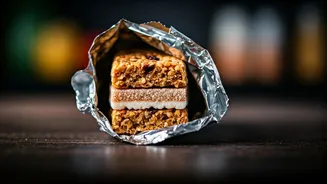
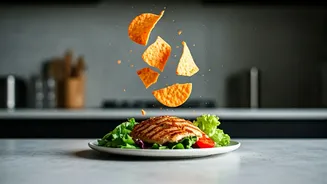
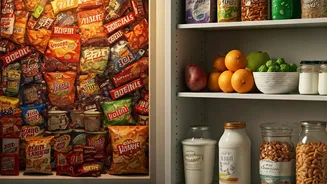
The snack aisle is filled with products labelled 'baked', 'low-fat', or 'diet', creating a health halo that can be misleading. While baked chips often have slightly fewer calories and less fat than their fried counterparts, the difference can be minimal.
More importantly, to compensate for the lack of fat—which provides flavour and texture—manufacturers often add more refined starches, sugar, and sodium. These are ultra-processed foods, meaning they are industrially manufactured formulations that bear little resemblance to their original ingredients. This processing strips away nutrients and fibre, leaving you with what are often called 'empty calories'.
The Blood Sugar and Insulin Rollercoaster
The main issue with most diet chips lies in their composition of highly refined carbohydrates. These carbs are digested very quickly, leading to a rapid spike in your blood sugar. Your body responds by releasing a surge of insulin, a hormone whose job is to move sugar out of your bloodstream and into your cells for energy. However, this sharp insulin spike also signals your body to stop burning fat and start storing it. What follows is the inevitable crash, where your blood sugar plummets, leaving you feeling tired, irritable, and, ironically, craving more sugary or starchy snacks to bring your energy levels back up. This cycle of spikes and crashes makes it incredibly difficult to maintain the consistent energy and stable appetite needed for fat loss.
The Sodium and Bloating Trap
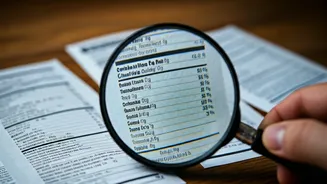
To make low-fat snacks palatable, manufacturers often load them with sodium. While salt is a necessary mineral, excessive intake causes your body to retain water, leading to a puffy, bloated feeling. This can be particularly disheartening when you're trying to achieve a leaner, more defined look, as water retention can mask muscle definition and make the numbers on the scale go up. Chronic high sodium intake is also linked to more serious health concerns, including high blood pressure. A single serving of processed chips can contribute a significant portion of your recommended daily sodium limit, making it an obstacle to both feeling and looking lean.
Psychology of 'Healthy' Snacking
There's also a psychological component at play. When we perceive a food as 'diet' or 'healthy', we can fall into the trap of overconsumption. This phenomenon, sometimes called the 'health halo', can lead you to eat a larger portion than you normally would or feel justified in having an extra snack later in the day. A small bag of chips, even a 'diet' version, is specifically engineered to be hyper-palatable, making it easy to overeat and override your body's natural fullness signals. This can easily lead to consuming more total calories throughout the day, directly undermining your weight loss efforts.
Smarter Snacking for a Leaner You
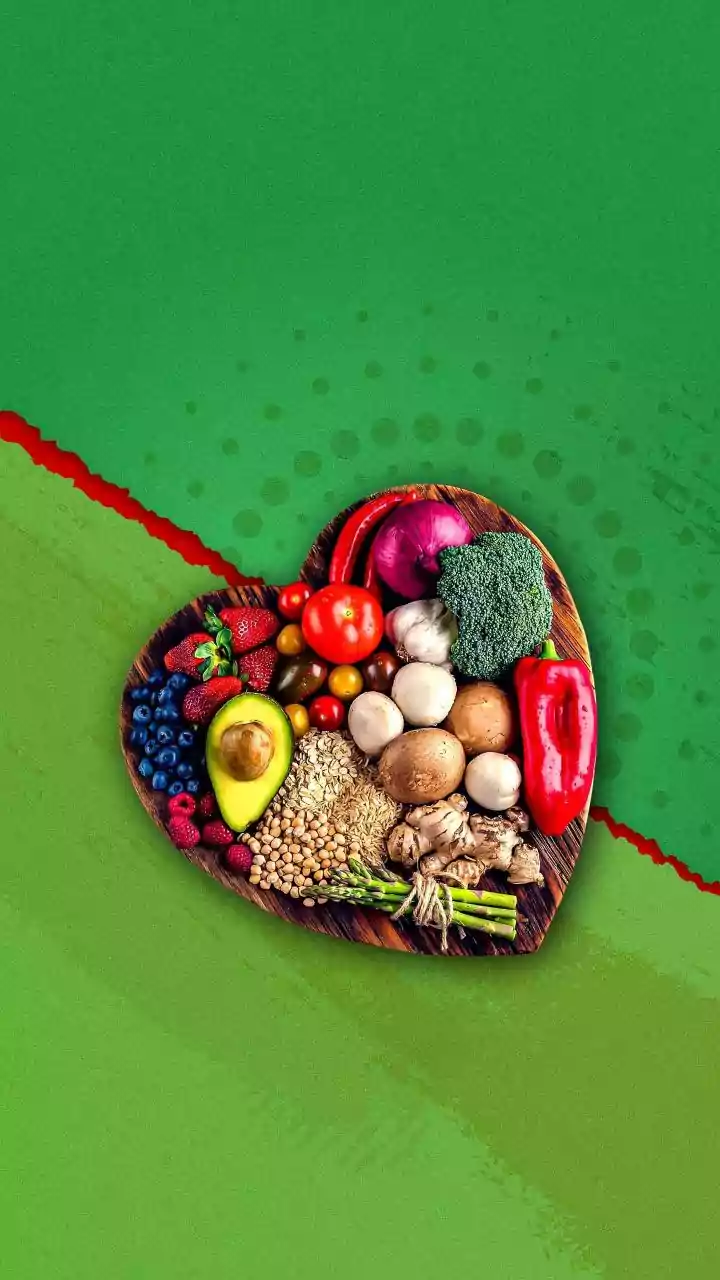
The key to effective snacking for fat loss is choosing whole, minimally processed foods that provide a balanced mix of protein, healthy fats, and fibre. These nutrients promote satiety, keeping you fuller for longer and helping to stabilize blood sugar levels. Instead of reaching for chips, consider these alternatives: Greek yogurt with berries, apple slices with peanut butter, a handful of almonds, or vegetable sticks with hummus. These options provide sustained energy and valuable nutrients that support muscle growth and a healthy metabolism, helping you move closer to your goals instead of further away.