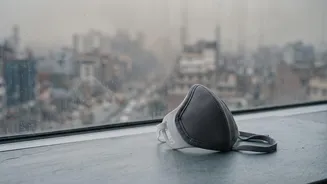


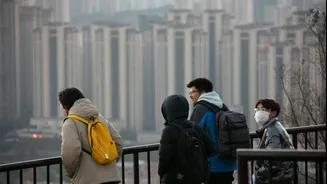

As air quality remains a concern across India, pollution masks have become a necessary accessory for our children. But how can you be sure the mask meant to protect them isn't causing its own problems? Here’s what parents should look out for.
The Importance of a Proper Fit
The primary
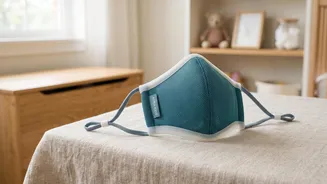
reason a child might experience discomfort is an improperly fitting mask. A mask that is too loose will not provide adequate protection, as polluted air can enter through gaps. Conversely, a mask that is too tight can be uncomfortable and make breathing feel difficult. According to paediatric experts, a well-fitting mask should securely cover the nose, mouth, and chin without leaving any noticeable gaps around the cheeks or nose bridge. If your child's glasses fog up, it's a clear sign that the fit isn't right and air is escaping near the nose. Adult masks are not suitable for children, so always opt for a certified, child-sized N95, KN95, or FFP2 respirator for effective protection against fine particulate matter like PM2.5.
Visible Signs of Discomfort
Young children may not be able to verbally express what's wrong, but their actions can speak volumes. Constantly pulling at the mask, trying to take it off, or frequently adjusting it are clear indicators of discomfort. Check for physical signs like red marks or indentations on the skin after the mask is removed, which suggest it might be too tight. While some initial getting used to the mask is normal, persistent fidgeting means something is wrong with the fit or the style of the mask, and it should be addressed. Children under the age of two should not wear masks at all due to the risk of suffocation, as they cannot remove a mask themselves or communicate distress.
Subtle Signs of Breathing Difficulty
Signs of genuine breathing difficulty can be more subtle than outright complaints. Parents should watch for an increased breathing rate, where the child seems to be breathing faster or harder than usual. Nasal flaring, where the nostrils widen with each breath, is another red flag that a child is working harder to get air. Another critical sign to look for is retractions, which is when the skin around the ribs, collarbone, or neck visibly pulls inward with each inhalation. Also, pay attention to any changes in skin colour. A pale, grayish, or bluish tint around the lips, nose, or on the fingertips indicates a potential lack of oxygen, and the mask should be removed immediately.
Changes in Behaviour and Activity Levels
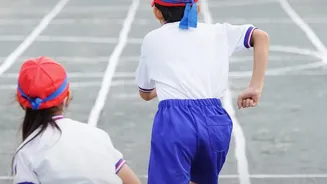
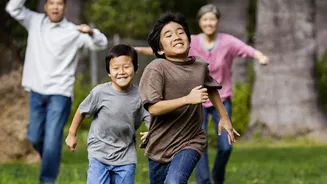
If a child is struggling to breathe comfortably through a mask, their body may prioritize breathing over other activities. This can manifest as a sudden drop in energy. A child who is normally active and playful might become unusually tired, irritable, or lethargic. They may be less interested in playing or become fussy for no apparent reason. While wearing a mask, especially a high-filtration one, does increase breathing resistance slightly, it should not be exhausting for a healthy child. If you notice a significant behavioural change when your child is wearing a mask, it warrants immediate attention. The issue could be as simple as the child being more prone to 'mouth breathing' while wearing a mask, which can lead to dehydration and other issues.
What to Do When You Spot a Problem
If you notice any signs of discomfort or breathing difficulty, the first step is to move to a safe, uncrowded area and remove the mask. Check the fit and see if any adjustments can be made to the straps or nose clip to eliminate gaps or pressure points. If the fit seems correct but the problem persists, the mask material might not be breathable enough for your child. Try a different certified brand or model. Studies show that a properly fitted mask does not cause harmful changes in oxygen or carbon dioxide levels in healthy children. However, a child's perception and comfort are key. If they continue to struggle, it's better to limit their time outdoors on high-pollution days than to force them to wear a mask that causes them distress.