






The humble dosa, a cornerstone of South Indian cuisine, is beloved for its crisp texture and comforting flavour. But what if you could make this classic even better? A simple addition of finely chopped vegetables takes it to a whole new level.
A Feast for the Senses
Introducing
finely chopped beetroot, carrot, and capsicum to your dosa does more than just add nutritional value; it transforms the entire experience. The vibrant pink of the beetroot, the bright orange of the carrot, and the fresh green of the capsicum create a visual mosaic that is instantly appealing. This colourful upgrade is especially useful for encouraging children to eat more vegetables. Beyond the aesthetics, this trio provides a delightful textural contrast. The soft, fermented crepe gives way to a surprising, satisfying crunch that makes each bite more interesting.
The Perfect Vegetable Trio
The choice of beetroot, carrot, and capsicum is a masterstroke of flavour and texture. Carrots bring a subtle sweetness and a firm crunch. Beetroot offers an earthy sweetness and a stunning, deep red hue that can infuse the entire dosa with colour. Capsicum, or bell pepper, contributes a fresh, slightly grassy flavour that cuts through the richness of the batter and ghee. Together, they form a balanced combination that complements the tangy flavour of the fermented dosa batter without overpowering it. This simple mix makes the dosa a more complete and wholesome meal.
Preparation is Key
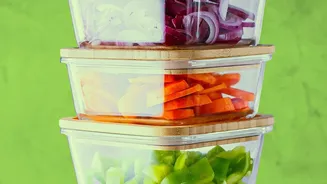
To achieve the perfect colourful crunch, proper preparation is essential. All vegetables should be washed thoroughly. Carrots and beetroots need to be peeled and then finely grated or chopped. Grating is often preferred as it allows the vegetables to cook quickly and integrate more smoothly with the dosa. Finely dicing them will provide a more distinct, chunkier crunch. For capsicum, removing the seeds and white pith before finely chopping is key to a pleasant texture. You can prepare a batch of this mixed vegetable topping and store it in an airtight container in the refrigerator for a couple of days, making your morning dosa routine even quicker.
Two Ways to Add the Crunch
There are two primary methods for incorporating these vegetables into your dosa. The first is the 'topping' method, popular in restaurants and street-side stalls. After pouring and spreading the dosa batter on a hot tawa, you sprinkle a generous handful of the mixed vegetables over the top. Gently press the vegetables into the semi-cooked batter with a spatula to ensure they stick. The second method is to mix the vegetables directly into the dosa batter, similar to making an uttapam. This creates a thicker, softer, pancake-style dosa where the vegetables are fully integrated. For this method, ensure your batter is on the thicker side to support the weight of the vegetables.
Beyond the Basic Trio
While beetroot, carrot, and capsicum are a fantastic starting point, feel free to get creative. Finely chopped onions are a classic addition that provides a savoury, pungent bite. Other vegetables that work well include cabbage, tomatoes (deseeded to avoid making the dosa soggy), and fresh coriander leaves for an aromatic finish. For a bit of spice, you can add finely chopped green chillies or a pinch of red chilli powder to your vegetable mix. Some cooks even add grated paneer or cheese for an extra layer of richness and protein, making the dosa a truly substantial meal.
Serving Your Colourful Creation
These vegetable-loaded dosas are flavourful enough to be enjoyed on their own, but they also pair beautifully with traditional accompaniments. A simple coconut chutney or a spicy tomato chutney provides a perfect counterpoint to the sweetness of the root vegetables. Of course, a bowl of hot, tangy sambar is always a welcome partner, its warmth softening the crunchy vegetables and completing the meal. Whether for a nutritious breakfast, a quick lunch, or a light dinner, this simple technique is a brilliant way to reinvent a beloved classic.