

The Foundation: Nailing the Perfect Fit
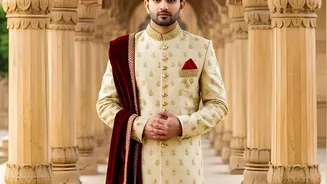
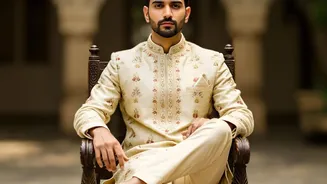
The most luxurious kurta will fall flat if the fit is wrong. A well-fitted kurta set forms the foundation of a polished look, so it's the first thing you should get right. The shoulder seam should sit squarely on the edge of your shoulder bone—not drooping
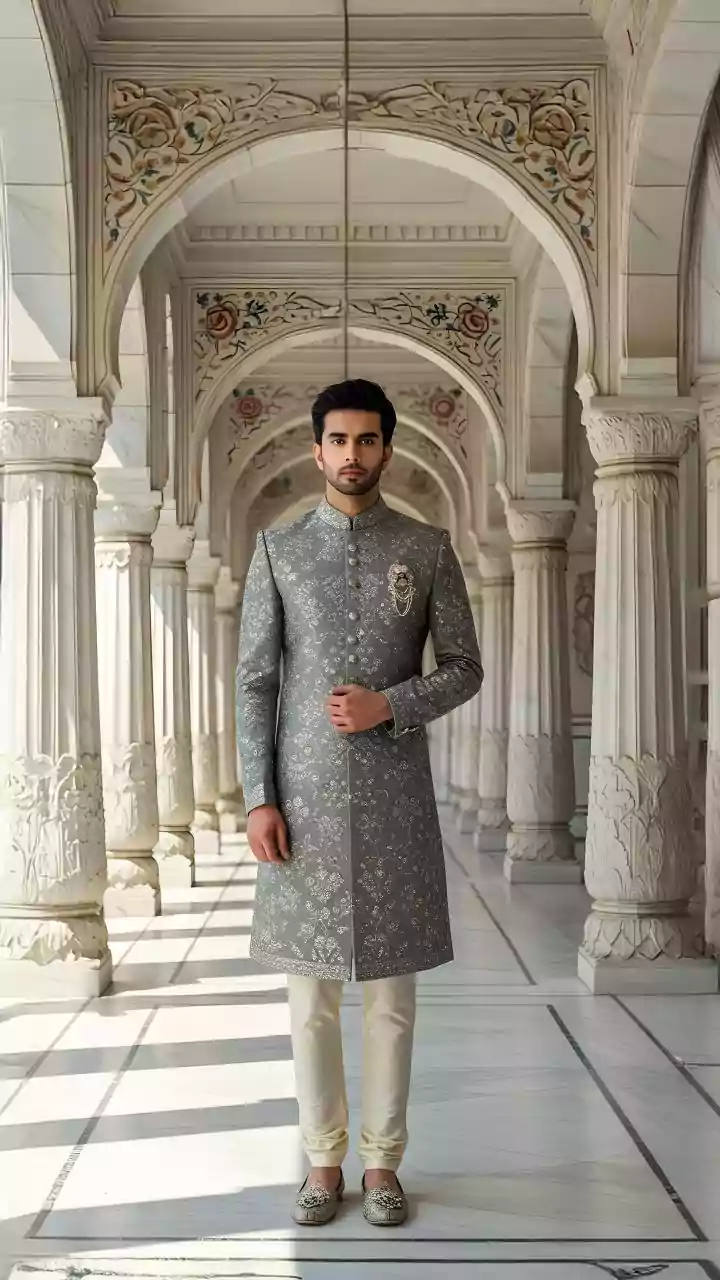
down your arm or pulling tightly across your back. For the chest, you want a comfortable drape, not a squeeze; a good rule of thumb is to have about 2-4 inches of 'ease' or extra room beyond your body measurement for a classic fit. This ensures you can move and sit comfortably without the buttons straining. The length is equally important. A classic kurta should traditionally end just above or at the knee, creating a balanced silhouette. Anything too short can look casual, while anything too long can overwhelm your frame. Finally, pay attention to the sleeves, which should end at the wrist bone. While off-the-rack options are convenient, investing in tailoring for a wedding is often worth it to achieve that sharp, custom-made appearance.
The Feel: Selecting the Right Fabric
Fabric determines not only how a kurta looks and drapes, but also how comfortable you'll be throughout the festivities. The choice often depends on the time of day and the formality of the event. For grand evening ceremonies and receptions, silks are a classic choice for their regal sheen and rich feel. Options like Banarasi, Tussar, or Brocade silk lend an undeniable sense of occasion. Velvet is another excellent option for winter evening functions, offering warmth and a plush texture. For daytime events like a Haldi or Mehendi ceremony, lighter, breathable fabrics are key. Cotton, linen, and their blends are perfect for staying cool and comfortable, especially during outdoor or summer weddings. A versatile middle-ground is the cotton-silk blend, which offers the breathability of cotton with the subtle lustre of silk, making it suitable for a wide range of functions from the Sangeet to the main ceremony.
The Statement: Mastering Colour Choices
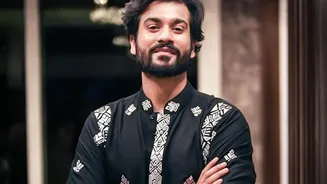
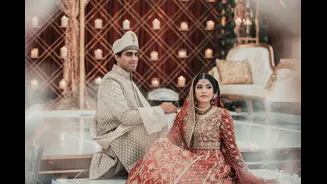
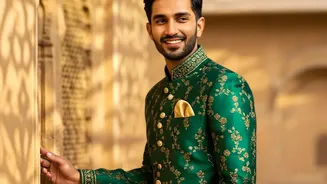
Gone are the days when men's wedding wear was limited to beige and maroon. Today's colour palette is expansive, allowing for personal expression that aligns with the event's mood. As a general guideline, lighter colours work best for daytime functions, while deeper, richer tones shine at night. For day events, consider soft pastels like mint green, powder blue, lavender, or blush pink, which look fresh and elegant in natural light. Ivory and cream remain timeless choices that offer a sophisticated base. For evening celebrations, jewel tones like emerald green, royal blue, deep wine, and maroon make a powerful statement. Don't be afraid to experiment, but consider the overall wedding theme and your own skin tone. Black, once considered unconventional, is now a chic option for modern receptions, especially when accented with gold or silver embroidery. If you're a guest, it’s generally wise to avoid colours traditionally reserved for the groom, such as heavy reds or overly embellished gold sets.
The Finishing Touches: Styling Your Set
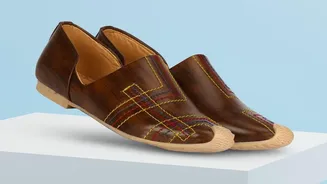
Once you've settled on the core components, the right styling will complete your look. The bottoms you choose can significantly alter the outfit's feel. A classic churidar offers a traditional and elongated silhouette perfect for ceremonies, while tapered trousers can lend a more contemporary edge. For a relaxed vibe at a Mehendi, a simple pajama or even dhoti pants can work well. Footwear is non-negotiable; traditional juttis or mojaris are the go-to choice and should complement the colour of your kurta set. Accessories should be chosen with care to enhance, not overwhelm, the outfit. A simple pocket square in a contrasting colour, a sleek watch, or a subtle brooch can add a touch of personality. If your kurta is heavily embroidered, it's best to keep accessories minimal and let the craftsmanship be the star of the show.