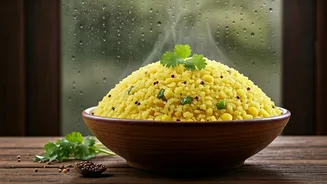




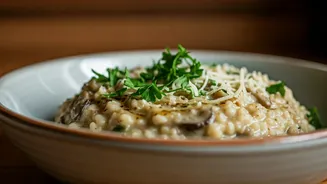



The Appeal of Effortless Warmth
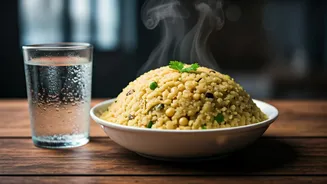
Let’s be honest. A complicated breakfast is the last thing anyone wants on a dreary, damp morning. The beauty of upma lies in its supreme practicality. It’s a one-pot wonder that comes together in under 20 minutes with pantry staples. All you need is some
rava (semolina), an onion, and the basic tempering spices that are a fixture in every Indian kitchen. There’s no elaborate grinding, no lengthy fermentation, and no complex techniques. It’s the kind of dish that allows you to roll out of bed, shuffle to the kitchen, and have a steaming, satisfying meal ready before your first cup of chai is finished. This low-effort, high-reward equation makes it an undisputed champion for lazy, rain-soaked mornings when all you want is to get back under the covers with a warm bowl.
A Sensory Wake-Up Call
The monsoon can feel sleepy and subdued, but the making of upma is a jolt to the senses. It begins with the crackle of mustard seeds hitting hot oil—a sound that cuts through the morning quiet. Then comes the fragrant explosion of curry leaves, asafoetida (hing), and green chillies, their aroma filling the kitchen and fighting back against the damp air. This tadka is not just a cooking step; it’s an act of defiance against the gloom. The gentle process of roasting the rava until it releases a nutty scent adds another layer of sensory pleasure. In a season defined by the smell of wet earth, the bright, spicy, and nutty aromas of a fresh upma are a powerful form of culinary sunshine.
The Perfect Nutritional Hug
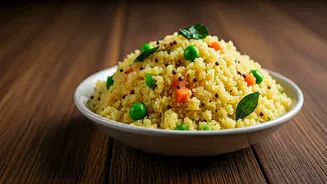
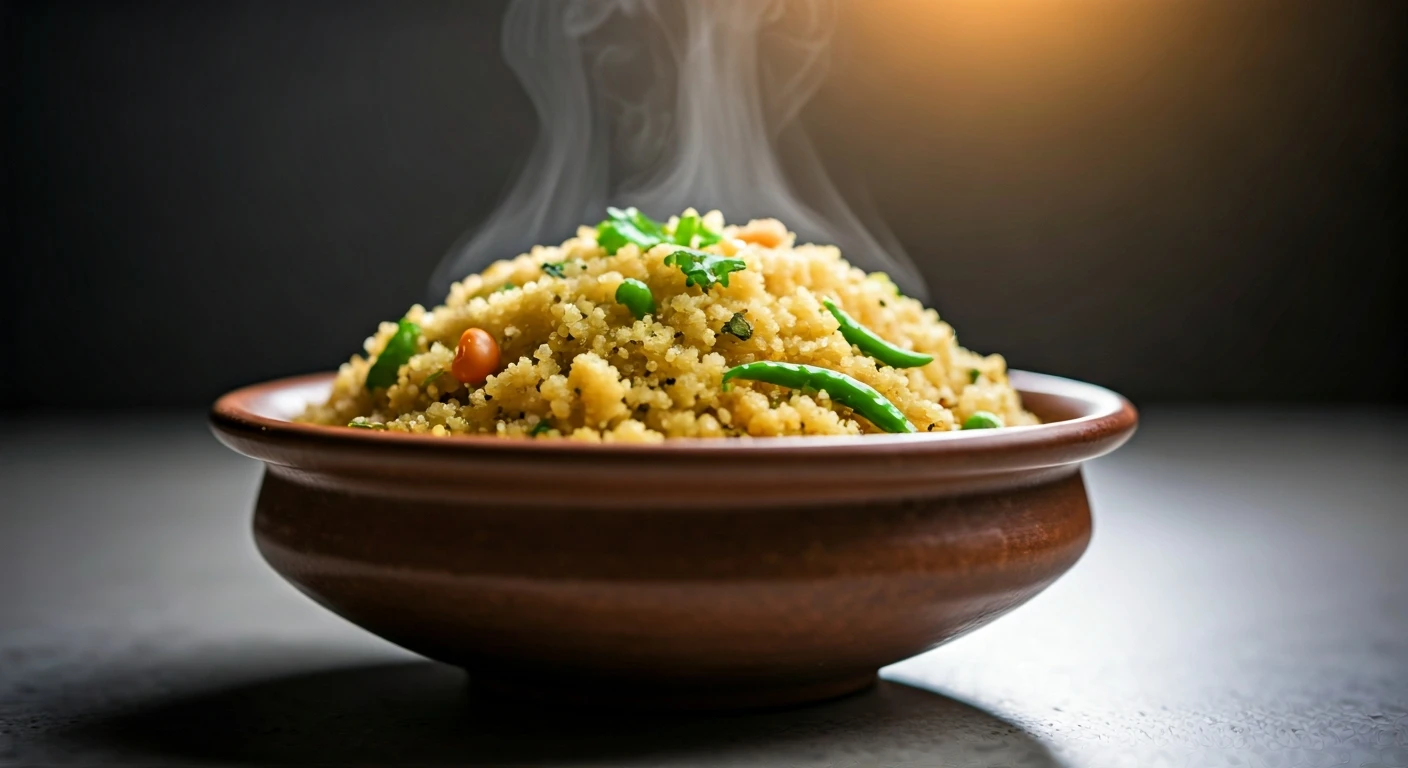
Comfort food is often stereotyped as heavy or unhealthy, but upma neatly sidesteps this cliché. Made from durum wheat semolina, it's a good source of complex carbohydrates, providing sustained energy to power you through a lethargic day. It's also rich in fibre, which aids digestion and keeps you feeling full longer. The brilliance of upma is in its customisability, which boosts its nutritional profile. Adding vegetables like carrots, peas, and beans infuses it with essential vitamins and minerals. A handful of peanuts or cashews adds healthy fats and a satisfying crunch, while a spoonful of urad or chana dal in the tempering provides a small but welcome protein boost. It's a well-rounded meal that nourishes the body as much as it soothes the soul.
A Canvas for Every Craving
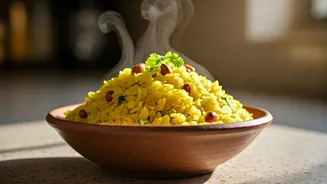
While the classic onion upma is a masterpiece of minimalism, the dish is also a brilliant canvas for creativity. Its mild, grainy base welcomes a host of flavours. Feeling indulgent? Top it with a generous dollop of ghee. Craving something tangy? A final squeeze of lime juice brightens everything up. Want more texture? Garnish with fried cashews, peanuts, or fresh, grated coconut. It pairs beautifully with coconut chutney, tangy podi, or even a simple pickle. This versatility means you can have upma three times in a week, and it will never feel repetitive. You can tailor it to what’s in your fridge and what you’re in the mood for, making it a reliable and exciting breakfast option, time and time again.
A Taste of Home and Nostalgia
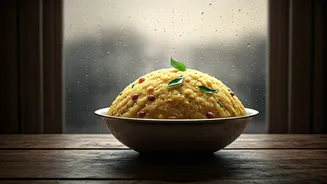
Beyond its practical and nutritional benefits, upma holds a powerful emotional resonance for many Indians. It’s the taste of childhood mornings, of a mother’s quick and loving solution to hunger. It’s the flavour of tiffin boxes, train journeys, and simple family meals. For many, the smell of upma cooking is inextricably linked to the feeling of being cared for. On a monsoon day, when the weather can make one feel pensive and nostalgic, a bowl of upma is more than just food. It is a connection to memory, a simple and profound reminder of home. It’s this blend of physical warmth and emotional comfort that truly cements its status as the perfect meal to start a rainy day.