








Waterproof Your World
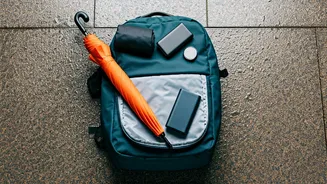
A good raincoat is obvious, but true rain-proofing goes deeper. Your first line of defence is a waterproof backpack or, at the very least, a rain cover for your existing one. Inside, compartmentalise using dry bags—not just for expensive cameras, but for clothes,
too. A wet shirt can dampen everything else in your bag. For your phone, wallet, and passport, a dedicated waterproof pouch worn around your neck is a non-negotiable. On a budget? Heavy-duty Ziploc bags are a surprisingly effective, low-cost alternative for keeping smaller items dry. Think of it as creating multiple barriers against moisture.
Choose Your Footwear Wisely
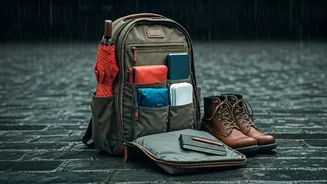
The wrong shoes can ruin a rainy day faster than anything else. Heavy, waterproof leather boots might seem like a good idea, but they can be hot, slow to dry, and overkill for a city stroll. Conversely, simple flip-flops offer no protection or grip. The best solution for Indian monsoons often lies in the middle: rubber floaters or sandals with good grip are perfect for navigating city puddles and can be rinsed off easily. For treks or more rugged terrain, opt for lightweight, quick-drying trail shoes with a synthetic upper. Avoid canvas and suede at all costs, and always pack a second pair of shoes. Nothing is more miserable than putting on damp shoes in the morning.
Master the Art of Quick-Dry Fabrics
When it comes to packing for a wet destination, fabric choice is paramount. Leave your favourite denim jeans at home; they are heavy, absorb a tremendous amount of water, and can take days to dry in a humid climate. Cotton is similarly problematic. Instead, build your travel wardrobe around synthetic, quick-dry materials like polyester, nylon, and merino wool. These fabrics are lightweight, breathable, and wick moisture away from your skin. Most importantly, they can be washed in a hotel sink in the evening and will often be completely dry by morning, even without direct sunlight.
Pack a Portable Drying Station
You can't rely on hotel balconies or laundry services when it’s pouring outside. A small, packable travel clothesline, often with built-in clips or suction cups, is a game-changer. It allows you to create a drying rack in your bathroom or over the air conditioner. To accelerate the drying process for electronics or damp shoes, throw a few silica gel packets (the kind you find in new shoe boxes) into their bags. They are excellent at absorbing ambient moisture. Some seasoned travellers even pack a small, foldable hairdryer, not for their hair, but for giving a last-minute blast of heat to damp sock cuffs or shirt collars.
Digitise Your Documents
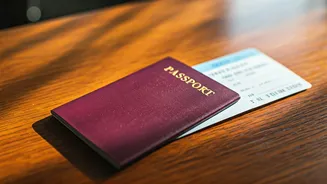
A rain-soaked passport or a faded, soggy bus ticket can cause a major travel headache. Before you leave, take clear photos or scans of all your important documents: passport, visa, driver's license, flight confirmations, and hotel bookings. Save these files to a secure cloud service like Google Drive or Dropbox and also download offline copies to your phone. This digital backup ensures that even if your physical documents are lost, stolen, or damaged by water, you have immediate access to the information you need to sort things out.
Embrace Indoor Adventures
Sometimes, the best way to beat the rain is to get out of it. Instead of viewing a downpour as an obstacle, see it as an opportunity to explore the indoor culture of your destination. Before your trip, make a list of potential rainy-day activities. This could be visiting a local museum, exploring an art gallery, finding a cosy café to read in for a few hours, taking a regional cooking class, or even indulging in a spa treatment. Having a backup plan means you won’t be stuck in your hotel room feeling frustrated; you’ll simply be shifting to a different, equally enriching part of your itinerary.