






Beyond the Checklist
For generations, the goal of a holiday was simple: see the sights. The Taj Mahal, Gateway of India, the backwaters of Kerala—travel was a checklist of iconic destinations. Success was measured by how many famous places you could tick off. But today, a growing
number of Indian travellers are tearing up that list. They are no longer content to just see a place; they want to feel it, taste it, and learn from it. This is the dawn of experience-led travel, where the journey’s value lies not in the destination, but in the doing. It’s a fundamental shift from passive sightseeing to active participation, transforming a simple vacation into a chapter of personal growth.
What's Driving the Shift?
Several factors are fuelling this evolution. The post-pandemic world has left many with a craving for genuine connection and meaningful moments, a sentiment that a rushed, seven-day, five-city tour can no longer satisfy. Increased disposable income and better connectivity have also empowered travellers, especially millennials and Gen Z, to look beyond the conventional. Social media, once a platform for just showing off picturesque locations, is now a discovery engine for unique activities. Seeing a friend learn to surf in Varkala or attend a cheese-making workshop in Kodaikanal is more inspiring than another photo of a crowded beach. The desire is no longer just for a good photo, but for a good story to tell.
From Stargazing to Sourdough
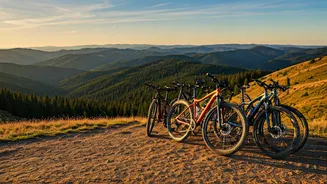
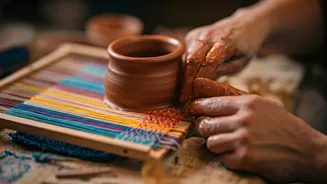
So, what does this new kind of travel look like? It’s incredibly diverse. It’s a group of friends heading to Spiti Valley not just for the views, but for an astrophotography workshop under its famously clear night skies. It’s a family choosing a farm stay in the Nilgiris where the children learn where their food comes from by helping with the morning harvest. It’s solo travellers joining curated culinary tours in Lucknow to master the art of the perfect galouti kebab. This trend spans adventure, wellness, culture, and food. Think pottery in Andretta, Himachal; tribal art workshops in Odisha; volunteering at an animal rescue in Goa; or joining a silent retreat in a Himalayan ashram. The possibilities are expanding daily as travellers seek skills and stories over souvenirs.
The Rise of Niche Itineraries
The travel industry has been quick to respond. A new ecosystem of boutique travel companies and independent organisers is emerging, all dedicated to curating these deep-dive experiences. These aren't your typical tour operators. They specialise in niche interests, crafting itineraries for women-only motorcycle trips through Ladakh, yoga and meditation retreats in Rishikesh, or marine biology expeditions in the Andamans. Mainstream players are also adapting, with platforms like MakeMyTrip and Airbnb now prominently featuring 'Experiences' alongside flights and hotels. This allows travellers to easily book a three-hour block-printing class in Jaipur or a guided food walk through Old Delhi, integrating these smaller, authentic moments into their larger travel plans.
A More Conscious Traveller
This shift towards experiential travel often comes hand-in-hand with a move towards more responsible and sustainable tourism. When travellers are invested in learning a local craft or understanding a regional ecosystem, they naturally develop a deeper respect for the place and its people. This leads to seeking out homestays over commercial hotels, buying directly from artisans, and choosing activities that have a minimal environmental footprint. By engaging with communities on a more personal level, travellers are not just enriching their own lives but are also contributing more directly to the local economy, ensuring that the places they love to visit can thrive for years to come.