






Start with the Essentials: Contact Information
Before diving into your pet's specific needs, start with the most critical information. This section should be at the very top of your document for easy access in an emergency. Include your mobile number and the contact details of a trusted friend or family
member who can act as a backup. This secondary contact should be someone nearby who can make decisions if you are unreachable. Also, provide the full name, address, and phone number for your regular veterinarian and the nearest 24-hour emergency vet clinic. It's also wise to inform your vet's office that a sitter will be caring for your pet and authorise them to provide care in your absence.
Feeding: More Than Just What's in the Bowl
Feeding instructions are the cornerstone of your handover sheet, but simply writing "feed twice a day" isn't enough. Be specific to avoid any confusion. List the exact brand and type of food your pet eats and where it is stored in the house. Detail the precise portion sizes for each meal — use measurements like "1/2 cup" or "one pouch" to eliminate guesswork. Note the exact times for breakfast and dinner, as pets thrive on routine. Don't forget to mention treats: what kind, how many are allowed per day, and what they're used for. Crucially, list any food allergies or restrictions and specify which human foods are strictly off-limits.
Daily Routines: The Comfort of Consistency
Maintaining a pet's daily schedule is vital for their emotional well-being while you're away. A consistent routine reduces stress and helps prevent anxiety-related behaviours. Outline their entire day, from morning to night. When do they typically wake up and go out for their first potty break? Detail their walk schedule, including timing, duration, and preferred routes. Mention if they are good on a leash or if they have any triggers, like other dogs or loud noises. Also, describe their playtime habits—what are their favourite toys, and when do they usually like to play? Finally, cover their bedtime ritual, including a final trip outside and where they sleep at night.
Health, Medication, and Wellness
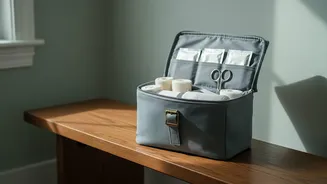
If your pet requires any medication or supplements, this section is non-negotiable. List each medication by name, its dosage, and the time it needs to be administered. Provide clear, step-by-step instructions on how to give the medicine, whether it's hidden in a pill pocket, mixed with food, or given orally. It’s also helpful to note where the medications are stored. Even if your pet is perfectly healthy, mention any past health issues, quirks, or signs of distress the sitter should watch for. Make sure the sitter knows where you keep a pet first-aid kit, and ensure it's fully stocked before you leave.
Personality, Quirks, and House Rules
Every pet has a unique personality, and sharing these details will help your sitter bond with them. Does your dog have a favourite spot to be scratched? Is your cat terrified of the vacuum cleaner? Mention their favourite hiding places, any fears or triggers, and what calms them down when they're anxious. Also include a list of commands they know and respond to. Alongside your pet's personality profile, include your house rules. Are they allowed on the furniture? Are certain rooms off-limits? Clear rules prevent confusion for both the sitter and the pet, ensuring everyone has a comfortable experience.
Household Logistics for the Sitter
Finally, include a section with practical information about your home to make the sitter's job easier. Provide the Wi-Fi password, instructions for the TV remote, and any alarm system codes. Show them where essential supplies are located, such as cleaning products for pet messes, extra paper towels, and trash bags. Let them know the schedule for trash and recycling collection. Stocking up on all necessary pet supplies—food, treats, litter, and waste bags—before you leave ensures the sitter won't have to run errands and can focus entirely on caring for your pet.