




The Science of Post-Workout Recovery
After you exercise, your muscles are in a state of repair. They have undergone stress and tiny micro-tears, and to rebuild themselves stronger, they need two key things: protein and carbohydrates. Protein provides the essential amino acids that are the building
blocks for muscle repair. Carbohydrates are crucial for replenishing glycogen, which is the fuel your muscles burned during the workout. Consuming a meal that contains both within a few hours of training can significantly enhance recovery, reduce muscle soreness, and improve performance in your next session. While the infamous "30-minute anabolic window" is now seen as less critical than once believed, aiming to refuel within a couple of hours is a solid strategy.
The Power of the Humble Legume
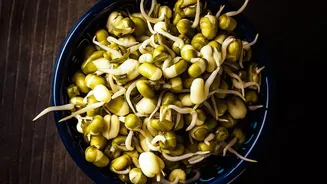
Indian cuisine is built on a foundation of incredibly nutritious legumes like lentils (dal), chickpeas (chana), and kidney beans (rajma). These are excellent sources of plant-based protein, fibre, and essential minerals. A single cup of cooked lentils can provide around 18 grams of protein, while chickpeas and kidney beans offer about 15 grams per cup. However, most plant-based proteins, with a few exceptions like soy, are considered "incomplete." This means they lack a sufficient amount of one or more essential amino acids. For instance, legumes are often low in the amino acid methionine, while grains like rice and wheat are low in lysine. This is where smart pairing, a practice embedded in Indian food culture, comes into play.
Upgrade 1: The Smart Pairing Principle
The classic combinations of dal with rice or rajma with roti are not just delicious; they are scientifically sound. By eating a legume and a grain together, you create a "complete protein," providing your body with all the essential amino acids it needs for effective muscle repair. To boost your post-workout meal, focus on enhancing this pairing. Instead of plain white rice, consider using quinoa, which is one of the few plant foods that is a complete protein on its own. Pairing dal with millets or brown rice also increases the fibre and nutrient content of your meal, aiding in a slower, more sustained energy release.
Upgrade 2: Fortify with High-Quality Dairy or Soy
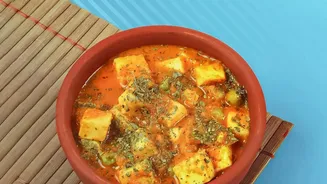
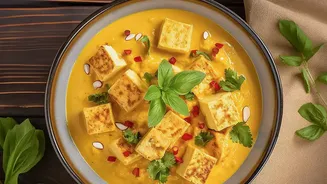
One of the simplest ways to dramatically increase the protein content of any legume dish is to add a source of dense, complete protein. Dairy products like paneer and Greek yogurt are excellent choices. Crumbled paneer can be stirred into chana masala or a mixed vegetable dal in the last few minutes of cooking, easily adding 15-20 grams of high-quality protein. A dollop of thick Greek yogurt (or hung curd) on top of your dal or khichdi not only adds a creamy texture but also a significant protein boost. For a vegan alternative, firm tofu or soya chunks are powerhouses. Sautéed and crumbled tofu can be added to rajma, or rehydrated soya chunks can be mixed into a lentil curry, effectively doubling the protein content of the dish.
Upgrade 3: The Nutrient-Dense Add-Ins
Don't underestimate the power of vegetables and seeds to enhance your meal. While they may not be primary protein sources, they add crucial vitamins, minerals, and extra protein. Stirring a large handful of spinach into your dal at the end of cooking boosts its iron content. Adding green peas to your chana or rajma can also increase the protein count. For an extra dose of protein and healthy fats, sprinkle a tablespoon of hemp, chia, or pumpkin seeds over your finished dish. These seeds are not only nutrient-dense but also contain a good amount of protein. This simple step adds texture and a powerful nutritional punch with minimal effort.
Putting It All Together: A New Post-Workout Menu
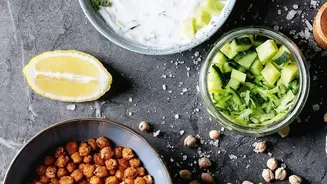
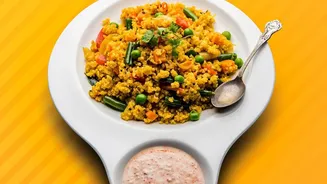
Let's reimagine some classics. Your simple moong dal can be transformed by cooking it with finely chopped carrots and spinach, serving it over a bed of quinoa, and topping it with a spoonful of roasted pumpkin seeds. Your standard Chana Masala becomes a recovery meal when you stir in 100g of crumbled paneer or tofu before serving. Even a comfort meal like Rajma Chawal gets a major upgrade when the rajma is made into a thicker gravy and served with a side of plain Greek yogurt or raita fortified with boiled rajma. These small adjustments don't require new recipes, just a new way of thinking about the components of your plate.