
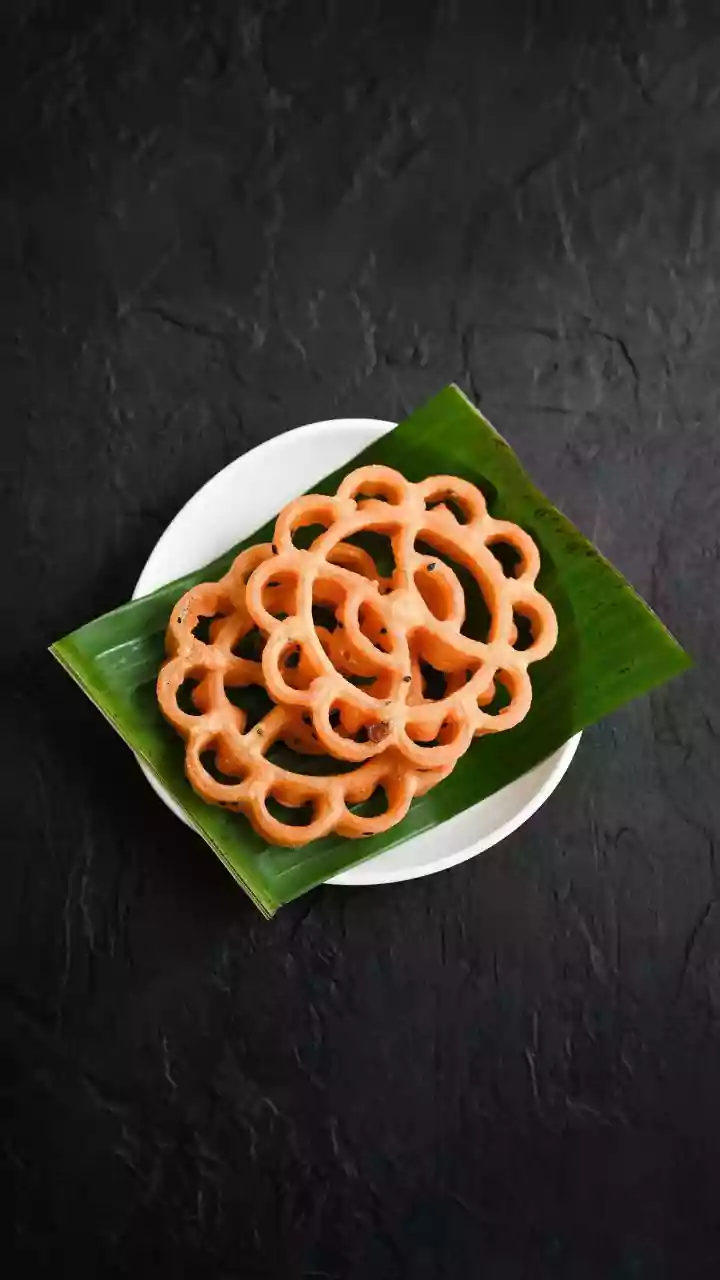



The Great Indian Love Affair with Pakoras
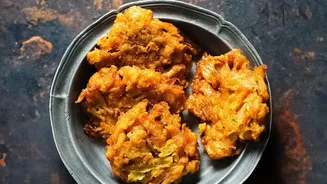
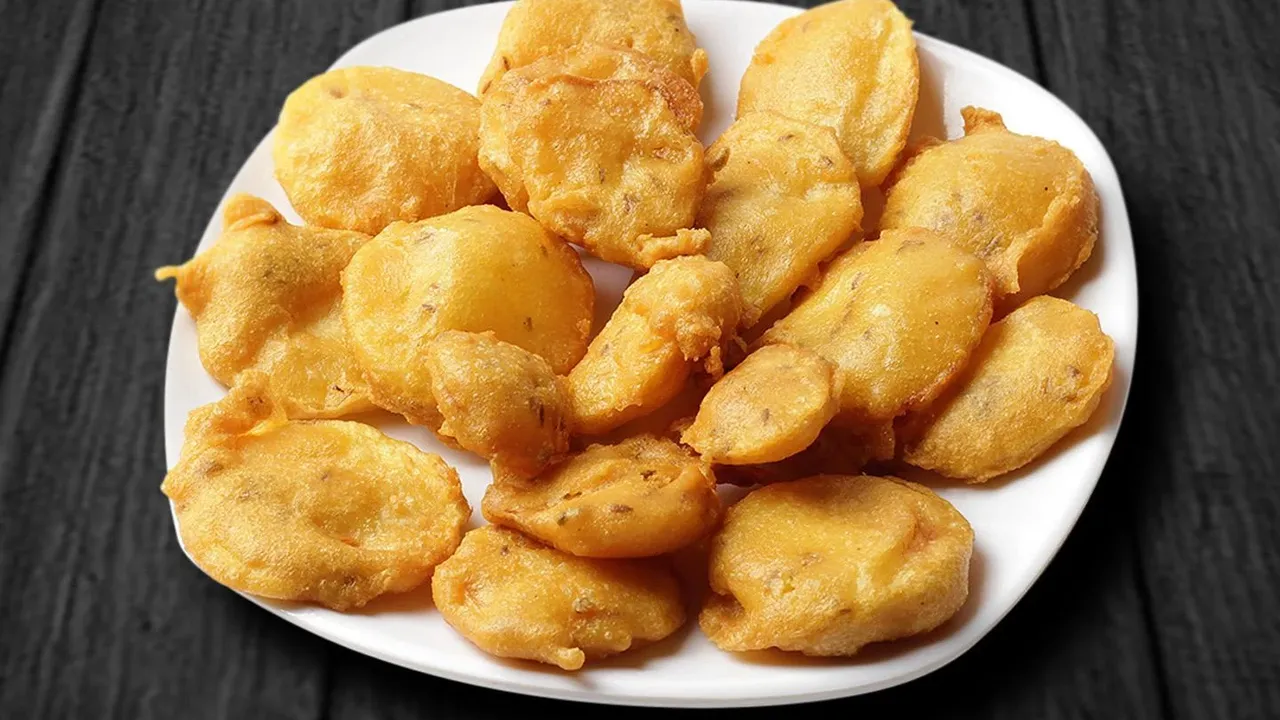
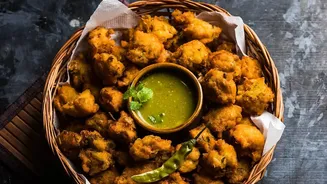
From monsoon evenings with a cup of chai to festive family gatherings, pakoras are more than just a snack; they are a cherished tradition. These deep-fried fritters, made from gram flour (besan) and an endless variety of vegetables, paneer, or even chicken,
are a culinary staple across India. Each region has its own signature style, from the crispy onion bhajiyas of the west to the spicy cauliflower pakoras of the north. The universal appeal lies in their delightful contrast: a crunchy, golden-brown exterior giving way to a soft, savoury interior. However, this deliciousness comes from being submerged in hot oil, a method that adds significant calories and fat, making it a heavy indulgence for the health-conscious.
The '80 Percent Less Oil' Promise
The headline claim of 80 percent less oil might sound like an exaggeration, but studies and culinary experts confirm it's well within reach. Air frying can cut calories by 70% to 80% and drastically reduce fat compared to traditional deep frying. One medical expert notes that air-fried food can have up to 80% less fat than its deep-fried equivalent. This is because an air fryer is essentially a compact convection oven. It uses a heating element and a powerful fan to circulate superheated air at high speeds, creating a crispy, browned exterior with just a tiny fraction of the oil—often just a single tablespoon or a light spray. One source even suggests that air-fried pakoras are about 80% as crispy as their deep-fried counterparts but use 90% less oil.
How to Master the Air-Fryer Pakora
Making pakoras in an air fryer requires a few adjustments to the traditional technique for perfect results. The batter needs to be thicker than what you would use for deep frying; it should cling to the vegetables and not be runny. Many recipes recommend adding a tablespoon or two of rice flour to the besan, a secret ingredient that enhances crispiness since the batter can't rely on hot oil to create that crunch. A common method involves preheating your air fryer to around 180°C-200°C. Drop spoonfuls of the mixture into the oiled basket, ensuring you don't overcrowd them, as this will cause the pakoras to steam rather than fry. A light spray or brush of oil on top of the pakoras before cooking is essential to achieve that golden, crispy finish.
Tips for Maximum Crunch and Flavor
Achieving that satisfying crunch is the ultimate goal. First, ensure your batter is the right consistency—thick enough to hold its shape. Don't let the mixture sit for too long, as vegetables release water and can lead to a soggy result. Cooking in a single layer is non-negotiable for allowing hot air to circulate freely. For timing, a good starting point is to cook for 10-14 minutes, flipping the pakoras halfway through. After flipping, a second light spray of oil can help the other side crisp up evenly. Adding a pinch of baking soda or using rice flour in the batter can also provide an extra crispy boost. Finally, serve them immediately, as they are best enjoyed hot and fresh.
Healthier Snacking Without Compromise
Beyond using less fat, air frying may offer other health advantages. The process has been shown to reduce the formation of acrylamide, a potentially harmful chemical that can form in starchy foods during high-temperature frying. While no one would classify a plate of pakoras as health food, using an air fryer makes it a significantly lighter option. It allows you to enjoy a beloved traditional snack more frequently without the associated feelings of heaviness or guilt. This modern cooking method bridges the gap between cherished culinary traditions and a more mindful approach to eating, proving you don't have to give up your favourite flavours to make a healthier choice.