





The Challenge of Too Much Water
Monsoon rains transform our landscapes into lush, vibrant paradises. While this downpour is a blessing for thirsty plants, it can quickly become a curse if not managed correctly. The primary enemy during this season is not a lack of water, but an excess
of it. When rainwater has nowhere to go, it leads to waterlogging, a condition where soil becomes so saturated that it suffocates plant roots by cutting off their oxygen supply. This creates a breeding ground for root rot, fungal diseases, and pests like snails and slugs that thrive in damp conditions. A beautiful garden can turn into a soggy, wilting mess surprisingly fast, not because of neglect, but because the water has no escape route.
Why Clear Drains Are Your Garden’s Lifeline
Think of garden drains and gutters as your property's essential plumbing. Their job is to channel the deluge of monsoon rainwater away from your plants and your home's foundation. However, these drains are easily blocked by the very things that make a garden beautiful: fallen leaves, twigs, soil, and other organic debris. When a drain is clogged, water backs up, creating puddles and saturating the surrounding soil. This standing water is the direct cause of root rot, which can kill even the hardiest plants. Moreover, overflowing gutters can dump sheets of water directly onto your garden beds or against the base of your house, compounding the problem. A simple, unobstructed drain is often the single most important factor in a garden's survival through the monsoon.
The Silent Threat to Your Walls
The danger of poor drainage extends beyond your plants; it poses a significant threat to your home's structural integrity. When water is unable to drain away, it pools against the exterior walls of your house. This constant exposure to moisture can cause a world of problems. Paint begins to bubble and peel, ugly damp patches (often called 'seelan') appear on interior walls, and persistent dampness encourages the growth of unhealthy mould and mildew. Over time, this moisture can seep into tiny cracks, weakening the plaster and even compromising the brickwork itself. Objects often stored against outer walls—such as stacks of pots, bags of soil, or decorative items—can trap moisture, creating a permanently damp spot that accelerates this damage.
A Pre-Monsoon Obstruction Checklist
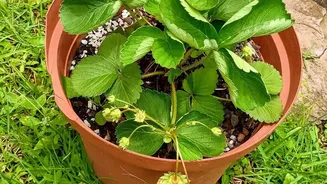
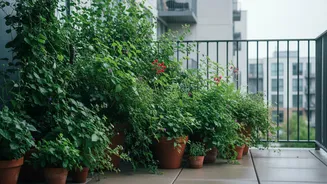
A little preparation can save you from major headaches later. Before the heavy rains set in, walk around your garden and property with a critical eye. First, inspect all outdoor drain grates. Use a rake or gloved hands to clear away any accumulated leaves, mud, and debris. Check your roof gutters and downspouts to ensure they are clear and direct water at least a few feet away from your foundation. Move any potted plants, furniture, or storage items that are sitting directly against a wall; this allows air to circulate and the wall to dry. If you have potted plants, lift them off the ground using bricks, tiles, or pot feet to ensure their drainage holes don't get blocked by mud. Finally, create shallow channels or slopes in your garden beds to guide excess water towards drains and away from plants and walls.
Simple Fixes for Better Water Flow
Beyond basic clearing, a few simple adjustments can dramatically improve your garden's resilience. For potted plants, ensure your soil mix is light and well-draining by adding materials like sand or perlite. If certain garden areas are perpetually waterlogged, consider creating raised beds, which elevate plants above the soggy ground. You can also improve surface drainage around vulnerable plants by adding a ring of coarse sand around the base, which helps water move away from the stem. For areas near walls, a simple trench filled with gravel (a basic French drain) can be highly effective at intercepting and redirecting water that would otherwise pool against your foundation. Keeping the space around your drains and walls clear is a simple but powerful strategy for a healthy, vibrant, and damage-free monsoon season.