








Safeguard Your Water
The monsoon is notorious for contaminating water sources, leading to a rise in water-borne diseases like typhoid, cholera, jaundice, and diarrhoea. The simplest rule is to be extremely cautious about the water you drink. Always boil your drinking water for at least
10-15 minutes, even if it comes from a water purifier. If boiling is not possible, use a trusted, well-maintained RO or UV water filter. Avoid drinking water, juices, or any beverages from street vendors, as you cannot be sure of the water source or the ice used. When outside, carry your own water bottle filled with safe, boiled, or filtered water from home. This single habit can significantly reduce your risk of contracting a nasty stomach bug.
Make Your Home a Mosquito-Free Zone
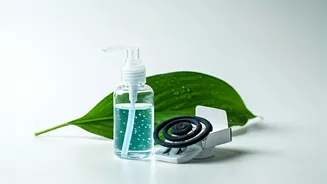
Rain-filled potholes, puddles, and clogged drains become breeding grounds for mosquitoes, the carriers of dengue, malaria, and chikungunya. The fight against these vector-borne diseases begins at home. Ensure there is no stagnant water in or around your house. Empty water from coolers, flower pot plates, and any unused containers at least once a week. Use mosquito nets while sleeping, especially for children and the elderly. Installing mesh screens on windows and doors can also prevent mosquitoes from entering your home. When stepping out, particularly during the evening, wear long-sleeved shirts and full-length pants. Applying a good quality mosquito repellent on exposed skin is another effective layer of protection.
Follow the Monsoon Food Code
The high humidity during the monsoon accelerates bacterial and fungal growth on food, making food poisoning more common. It’s wise to be extra careful about what and where you eat. Avoid eating raw or partially cooked food, including salads and cut fruits from outside vendors. Leafy green vegetables can be difficult to clean thoroughly during this season and may carry a lot of dirt and germs. If you do eat them, wash them meticulously in clean water, perhaps with a little salt or vinegar. Opt for freshly cooked, hot meals. This is not the best time to indulge in street-side chaat or pani puri. A strong digestive system is your first line of defence, so stick to light, easily digestible foods.
Boost Your Natural Immunity
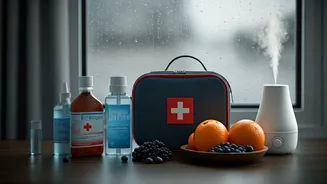
A robust immune system is your best defence against the common cold, flu, and other viral infections that thrive in the damp weather. Incorporate immunity-boosting foods into your daily diet. Increase your intake of Vitamin C through foods like amla, lemons, oranges, and bell peppers. Traditional Indian spices like turmeric (haldi), ginger (adrak), and garlic (lehsun) have powerful antimicrobial and anti-inflammatory properties. A warm cup of herbal tea with ginger, tulsi, and a dash of honey can be both comforting and beneficial. Avoid cold and refrigerated foods, and instead, opt for warm soups and broths to keep your body warm and hydrated.
Prioritise Personal and Home Hygiene
Germs are everywhere, and the monsoon moisture helps them spread. Make frequent handwashing with soap and water a non-negotiable habit, especially before meals and after coming in from outside. The dampness can also lead to fungal infections of the skin and feet. Keep your home well-ventilated and dry to prevent the growth of mould and mildew. Avoid walking in dirty rainwater puddles if you can. If your feet do get wet, wash them with soap and dry them thoroughly, especially between the toes, as soon as you get home. Similarly, don’t wear damp clothes or shoes, as they can become a breeding ground for fungi.
Know When to See a Doctor
Despite all precautions, you might still fall ill. It's crucial to recognise the warning signs and seek medical advice promptly. Common symptoms of monsoon-related illnesses include high fever, severe body aches, joint pain, chills, skin rashes, and stomach issues like vomiting or diarrhoea. Do not self-medicate or dismiss a fever as a simple flu. Many of these diseases share similar initial symptoms, and only a doctor can provide an accurate diagnosis and the right course of treatment. Early detection is key to a swift recovery and preventing complications.