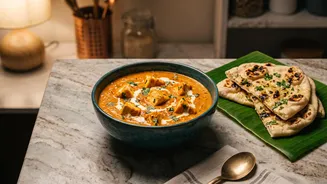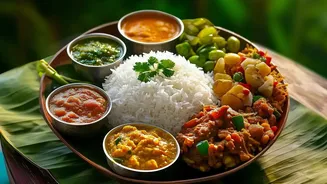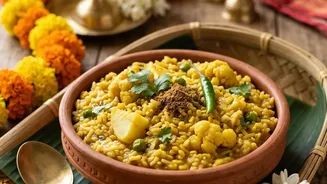




In India, rice is more than just a staple; it’s a canvas for culinary creativity and a source of deep, abiding comfort. From north to south, simple grains are transformed into soulful meals that speak of home, tradition, and unmatched flavour.
The Fermented Wonders of East and South India
Born from
frugality and the need to preserve leftovers before refrigerators were common, fermented rice dishes like Bengal’s Panta Bhat and Kerala’s Pazham Kanji are masterpieces of simple science. Leftover cooked rice is soaked in water overnight, a process that not only prevents spoilage but also transforms the dish entirely. This natural fermentation makes the rice rich in beneficial probiotics and increases the bioavailability of minerals like iron and potassium. The resulting flavour is subtly tangy and deeply comforting. Served chilled, it’s a traditional breakfast for farmers and labourers, providing a cooling effect and sustained energy for the day. The accompaniments are key: Panta Bhat is often enjoyed with a dollop of mustard oil, chopped onions, green chillies, and fried fish, while Pazham Kanji is paired with coconut chutney, pickles, or a spicy fish curry from the previous day.
The Aromatic Simplicity of Ghee Rice
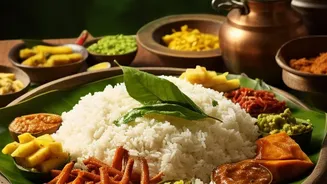
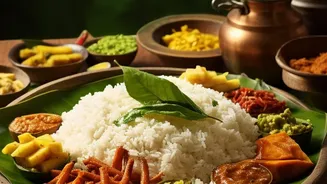
Across India, particularly in the south where it is known as Nei Choru, ghee rice is the epitome of simple festive food and quick comfort. The magic lies in its fragrance and understated richness. Typically made with a short-grain, aromatic rice like Jeerakasala or Seeraga Samba, the grains are first fried in a generous amount of pure ghee along with whole spices like cinnamon, cloves, and cardamom. This initial step ensures each grain is separate, fluffy, and infused with flavour. Onions, fried until golden and sweet, are added to the mix, lending a caramelised depth. The dish is then cooked in water until tender. While it’s a simple preparation, the final result is anything but plain. Garnished with fried cashews, raisins, and more crispy onions, ghee rice is a fragrant, satisfying meal that pairs beautifully with a simple dal or a rich, spicy curry.
Karnataka's One-Pot Meal: Bisi Bele Bath
Translating literally to 'hot lentil rice', Bisi Bele Bath is a celebrated dish from Karnataka that proves a one-pot meal can be complex, nutritious, and incredibly flavourful. It’s a wholesome preparation where rice, toor dal (pigeon pea lentils), and a medley of vegetables are cooked together into a soft, porridge-like consistency. What elevates this dish is the special Bisi Bele Bath powder, a unique spice blend that includes coriander seeds, chana dal, cinnamon, cloves, and dried coconut, which gives the dish its signature aroma and taste. Tamarind extract adds a crucial tangy note, balanced by a hint of jaggery for sweetness. The final touch is a tempering of ghee, mustard seeds, curry leaves, and cashews, which is poured over the hot rice just before serving. This dish is a complete meal in itself, offering a perfect balance of carbohydrates, protein, and vitamins.
The Tangy Celebration of Pulihora
Pulihora, also known as tamarind rice, is a staple festive dish in Andhra Pradesh, Telangana, Karnataka, and Tamil Nadu. It is a flavour-packed preparation that is tangy, spicy, and savoury all at once. The heart of the dish is a thick tamarind paste cooked down with spices until it becomes a concentrated 'pulusu'. Cooked rice, cooled to ensure the grains remain separate, is then mixed with this flavourful paste. The dish is brought to life with a generous tempering, or 'tadka'. This involves frying mustard seeds, chana dal, urad dal, dried red chillies, and curry leaves in oil. Roasted peanuts or cashews are added for a delightful crunch. Pulihora is not just a dish; it's an essential part of temple 'prasadam' and celebratory meals, loved for its vibrant taste and excellent shelf life, which makes it a popular choice for travel.