



Ladakh: The High-Altitude Haven
While much of India is drenched by the monsoon, Ladakh remains majestically dry. Tucked away in a rain shadow zone behind the Great Himalayan Range, this high-altitude cold desert blocks monsoon clouds, resulting in clear blue skies and pleasant daytime
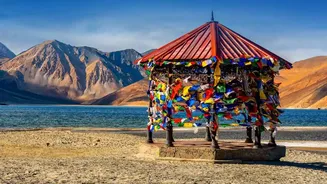
temperatures. But dry doesn't mean barren. August is when the valleys, especially Nubra, are at their greenest, with fields of barley contrasting sharply against the stark mountains. It's the perfect time to explore ancient monasteries like Hemis and Thiksey, witness the surreal beauty of Pangong Tso's turquoise waters, and drive over the world's highest motorable passes. The weather is ideal for adventure, but remember to acclimatise for at least two days in Leh to combat the thin air before venturing higher.
Spiti Valley: A World Within a World
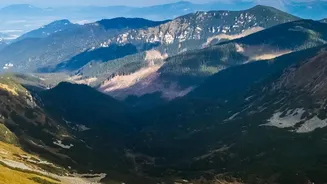
Much like its neighbour Ladakh, Spiti Valley in Himachal Pradesh is a cold desert that escapes the monsoon's fury. Its name, which means 'The Middle Land,' feels apt for a place that seems suspended between heaven and earth. In August, the roads are generally clear, providing access to this rugged, breathtaking landscape. The valley offers a unique blend of barren mountainsides and green patches along the Spiti River. This is a destination for the adventurous soul, featuring ancient monasteries like Key Gompa perched dramatically on a hilltop, and the serene village of Tabo. You can explore villages like Kaza and Langza, home to a gigantic Buddha statue overlooking the valley. The experience is less about tourist checklists and more about soaking in the immense silence andTibetan Buddhist culture.
Udaipur: The Romantic Lakeside City
If the Himalayas feel too distant, consider the royal charm of Rajasthan. The desert state receives significantly less rainfall than other regions, and August is a particularly magical time to visit Udaipur. The city’s famous lakes, Pichola and Fateh Sagar, are replenished by gentle monsoon showers, breathing life back into the landscape without the travel disruptions seen elsewhere. The surrounding Aravalli hills shed their brown summer coat for a soft green hue, creating a stunning backdrop for the city’s white marble palaces. You can explore the majestic City Palace, enjoy a boat ride on the full lakes, and wander through bazaars without the intense heat of summer or the peak-season tourist crowds. The weather is often overcast and pleasant, offering a romantic, almost cinematic atmosphere.
Hampi: Ruins Amidst Green Boulders
Located on the Deccan Plateau, the ancient village of Hampi in Karnataka benefits from being in the rain shadow of the Western Ghats. While the coastal areas get pounded by rain, Hampi receives just enough to transform its otherworldly landscape of rust-coloured boulders and ruins. The smattering of rain washes the dust away, making the paddy fields a vibrant green and giving the Tungabhadra River a powerful flow. This UNESCO World Heritage site is an open-air museum of temples, royal pavilions, and bastions. August provides a cooler, more comfortable climate for exploring the sprawling ruins of the Vijayanagara Empire. You can rent a bicycle or a moped to hop between sites like the Virupaksha Temple and the stone chariot at Vittala Temple, enjoying a historical journey through a landscape that feels refreshed and alive.